Record-low catch limits, extended fishing suspensions and historically high fishmeal prices are reshaping aquafeed costs in Ecuador, Chile and beyond.
1. The 2026 fishing season: context and key figures
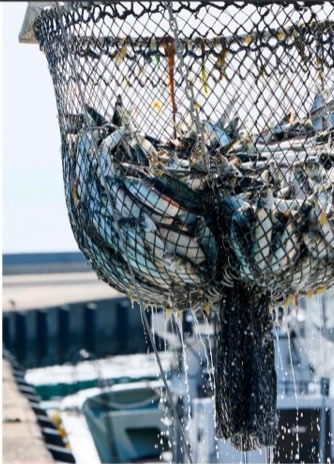
On April 1, 2026, Peru’s Ministry of Production (PRODUCE) opened the first anchovy season in the North-Central zone with a total allowable catch of 1,914,049 metric tons. The quota was 36.2% below the corresponding 2025 season and, apart from the cancelled 2023 season, the lowest level in a decade.
The limit followed the biomass assessment of Peru’s marine research institute, IMARPE, which indicated lower available biomass and the need to protect juvenile fish. On May 12, fishing was suspended for 15 days between 6° and 14° South within the first 30 nautical miles after juvenile incidence exceeded 50% in active fishing gear.
By May 27, only about 451,000 metric tons, or 23.6% of the quota, had been landed. The suspension was extended through June 10, bringing the continuous stoppage to 30 days. Warm coastal El Niño conditions were weakening upwelling, pushing anchovy deeper and increasing the risk of juvenile capture.
- 2024 first-season quota: approximately 2.5 million metric tons.
- 2025: 3 million metric tons.
- 2026: 1.914 million metric tons, down 36.2% year on year.
- Harvest by May 27, 2026: about 451,000 metric tons, or 23.6% of the quota.
2. Coastal El Niño and biological consequences
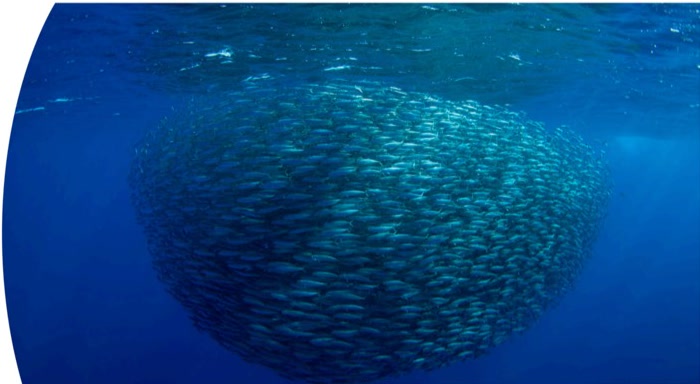
Peruvian anchovy is highly sensitive to oceanographic conditions. Its productivity depends on the Humboldt Current upwelling system, which brings cold, nutrient-rich water to the surface. Coastal El Niño introduces unusually warm nearshore water, weakens upwelling and reduces the biological productivity on which anchovy populations depend.
Expected effects include schools moving below 100 metres or shifting latitude, higher sea-surface temperatures in traditional fishing grounds, lower juvenile survival, unusual swells, logistical disruption and repeated port closures.
3. Global fishmeal and fish-oil output in the first quarter of 2026
In an average year, Peru supplies roughly one fifth of global fishmeal and fish-oil production. A significant disruption to the Peruvian anchovy fishery can therefore transmit quickly through international aquafeed supply chains.
- March 2026 fishmeal output fell 38% year on year.
- Cumulative first-quarter fishmeal production fell 28% from Q1 2025.
- Cumulative first-quarter fish-oil production fell 12%.
Fish oil was partly supported by steadier output in Denmark, Norway and Spain, but both marine ingredients remained tight relative to global demand. Peruvian fishmeal spot prices reached roughly USD 2,500 per metric ton in May 2026, about 25% above the 2023–2024 El Niño period.
4. Consequences for Ecuador’s shrimp-feed industry
Ecuador’s large whiteleg-shrimp sector depends on Peruvian fishmeal and fish oil as digestible protein and lipid sources. In 2025, Ecuador represented about 4.47% of Peru’s fishmeal FOB export value—approximately USD 83.6 million.
- Direct cost escalation: feed represents 50–60% of variable shrimp-farming costs, so higher marine-ingredient prices compress margins throughout the chain.
- Reformulation pressure: lower fishmeal inclusion may affect feed conversion, growth and crop performance unless replacement ingredients and amino-acid balance are carefully controlled.
- Procurement risk: smaller manufacturers may struggle to secure certified material while China commands most Peruvian fishmeal exports.
- Export competitiveness: sustained feed-cost inflation can weaken Ecuadorian shrimp margins in China, the United States and Europe.
5. Consequences for Chilean salmon farming
Chile is the world’s second-largest farmed-salmon producer. Feed can account for 40–50% of production cost, and fish oil remains difficult to replace because premium export markets require adequate EPA and DHA levels.
Some Chilean diets now contain less than 5% fishmeal, supported by micronutrients and terrestrial protein blends. Fish-oil dependence is more persistent because alternative marine omega-3 sources have not yet reached equivalent scale and cost competitiveness.
Coming in Part 2
Part 2 will be published on August 23, 2026, covering fishmeal alternatives, rendered animal proteins, Antarctic krill, insect protein, microalgae and multi-protein formulation strategies for aquafeed.
Source: Aquaculture Magazine Editorial Team. Peru’s Anchovy Fishery Crisis: A Systemic Alert for the Global Aquaculture Feed Industry, June 2026.