



Babylonia areolata is a bottom-dweller that buries in the sand by day and instinctively becomes more active at dusk and night. However, in intensive farming with pellet feed it feeds well all day if the environment is stable — so spread several meals across day and night rather than only at night. Understanding this behavior underpins every technical decision.
The bottom decides everything
The ideal bottom is sand or shell-mixed sand, low in silt and clean. When leftover feed and waste accumulate, snails cannot bury and crawl to the surface — the first stress sign, followed by off-feed and slow growth. Bottom management (siphoning, decomposing probiotics) is therefore core, not optional.
Feed & the shift to pellets
Babylonia is a carnivorous omnivore: chopped trash fish, mollusks, small shrimp. But fresh trash fish is the number-one pollution and pathogen source. The current trend is switching to properly-sized industrial pellets — fully eaten, less waste, markedly cleaner bottoms.
Density by stage
- Early (first 1–2 months): 500–700 /m².
- After 2 months: thin to 200–300 /m² to cut waste load.
Overstocking leaves excess feed, fast waste buildup, foul bottoms and toxic-gas spikes. After 5–7 months snails reach market size of 90–150 /kg; growth speed depends directly on bottom quality and environmental stability.
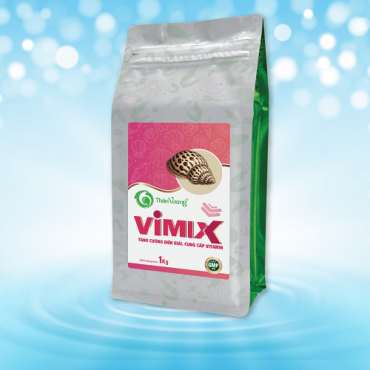
Than Vuong solution: regular MAX 4000 keeps the sandy bottom clean; VIMIX and MIXBOOM build firm shells, dense muscle and active snails.
 PRO GUT
 BIOMAX
 ACTISEL
 LALPACK IMMUNE
 FLASH
FLASH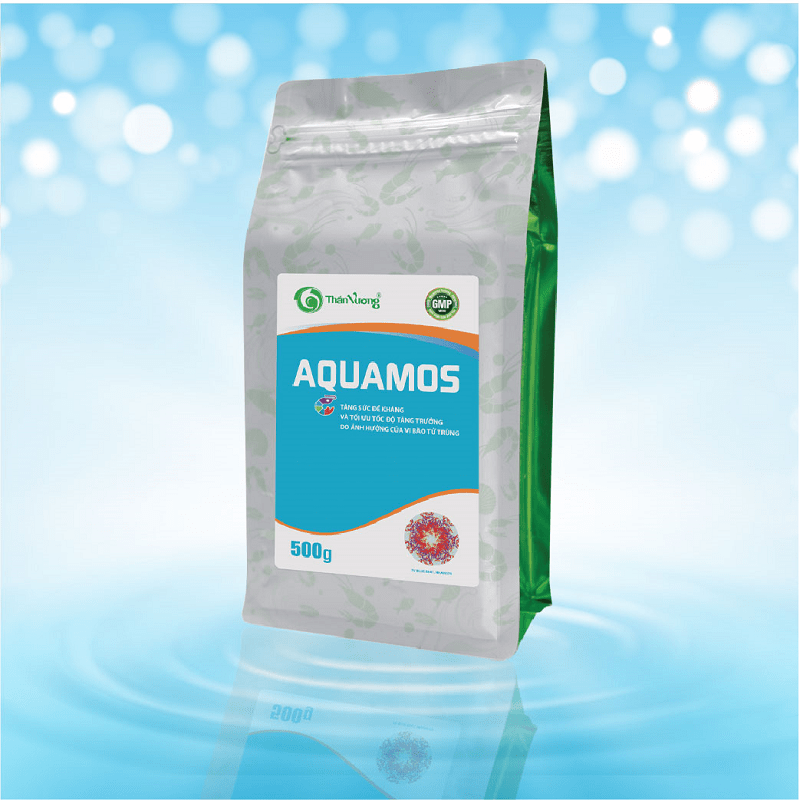 AQUAMOS
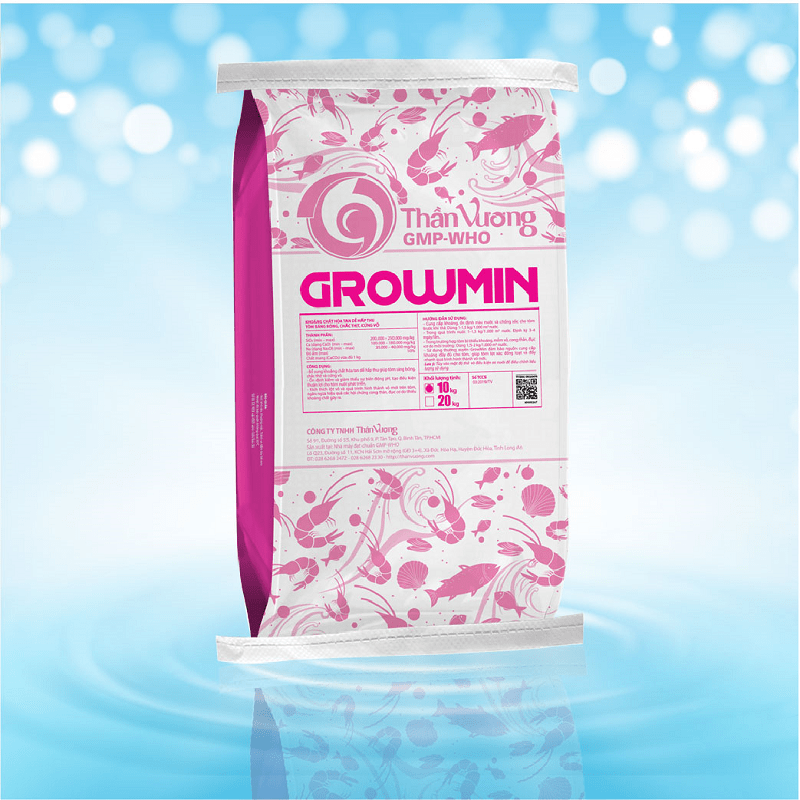 GROWMIN
 CELL CALPHOS GOLD
 QUICKSHELL GOLD
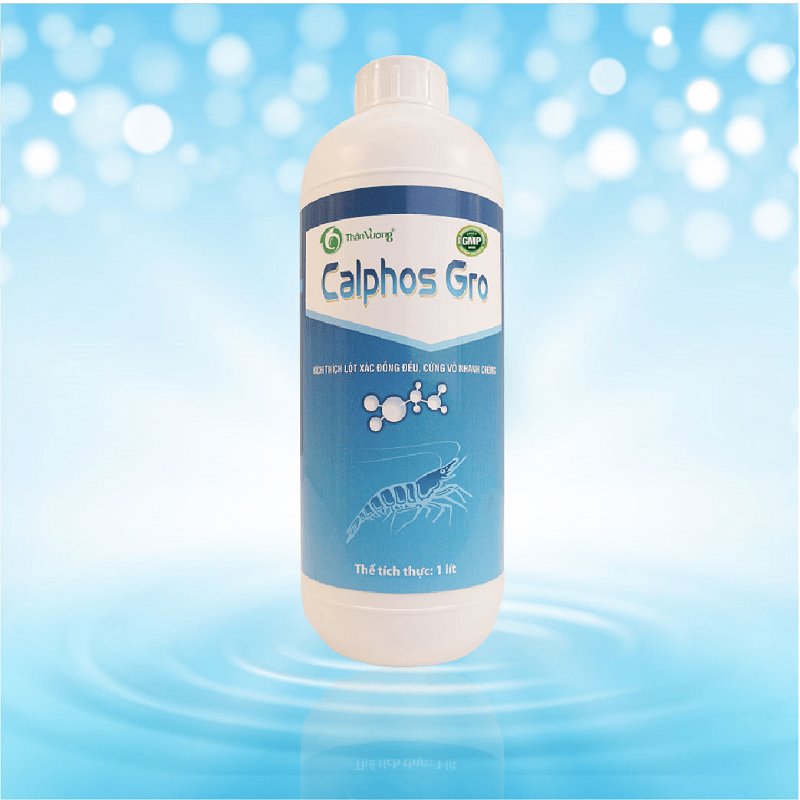 CALPHOS GRO
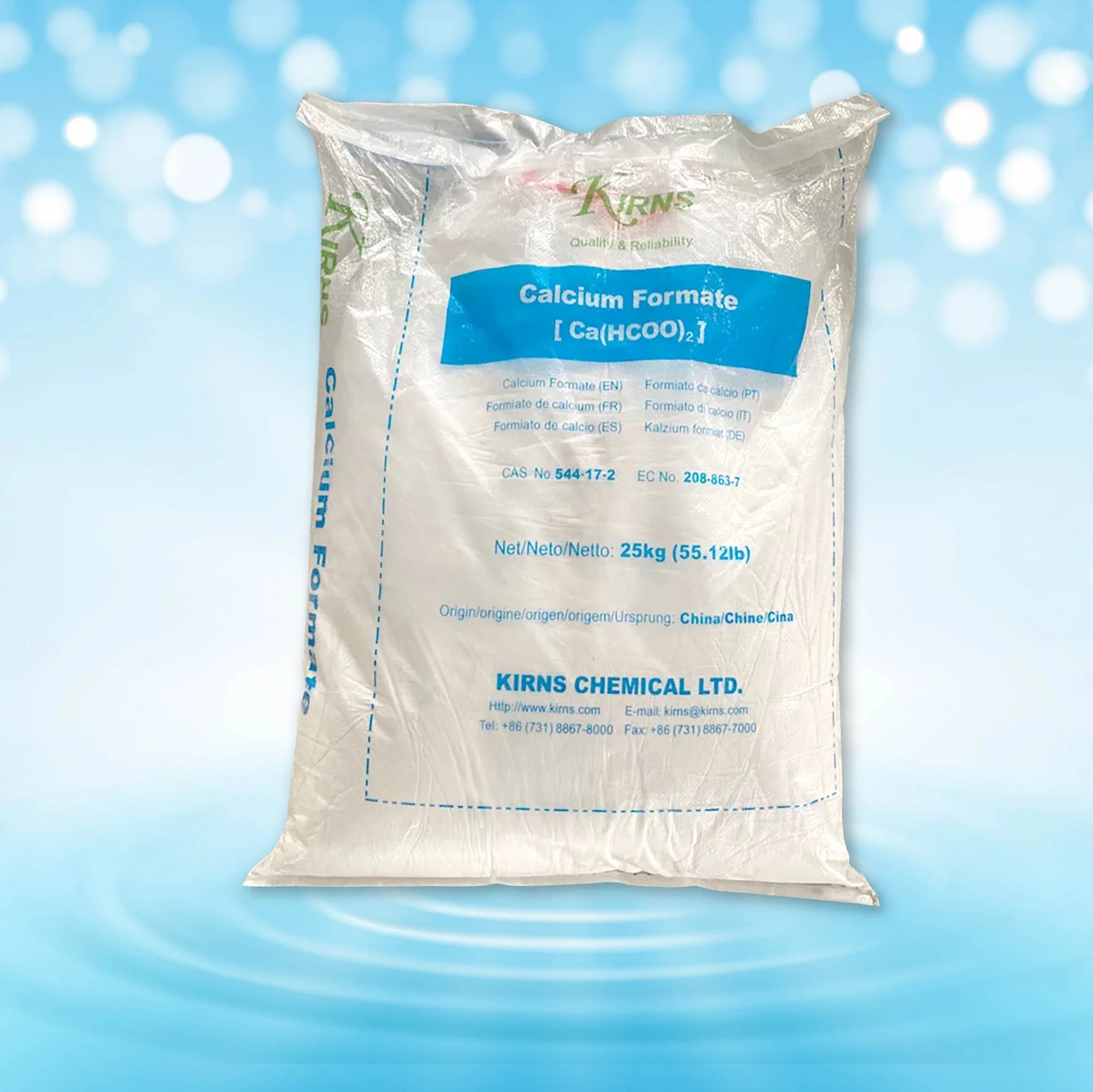 CALCIUM FORMATE
 LALSEA BIOREM
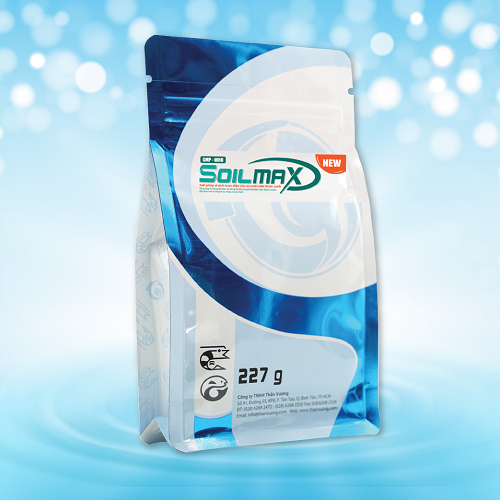 SOILMAX New
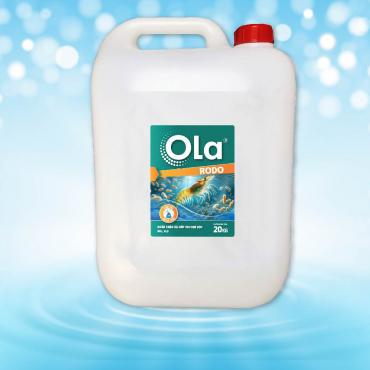 OLA RODO
 OZYME
OZYME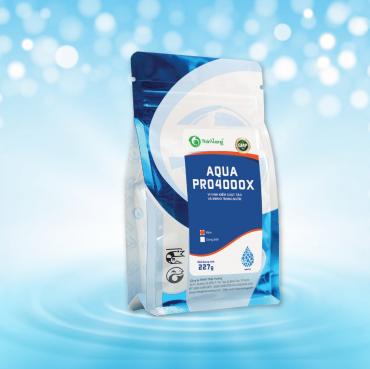 AQUA PRO4000X
 MAX LIVER
 HERB GUARD
 LIVER GRO
 HERBAL GOLD
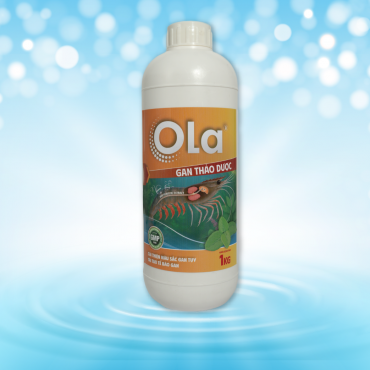 OLA Gan Thảo Dược
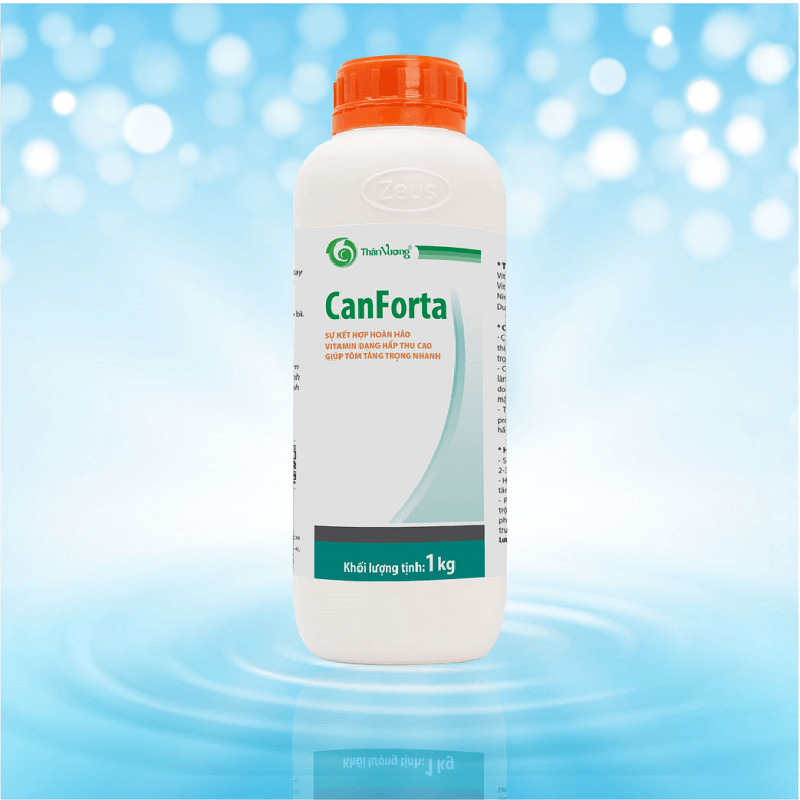 CANFORTA
 NUPLEX
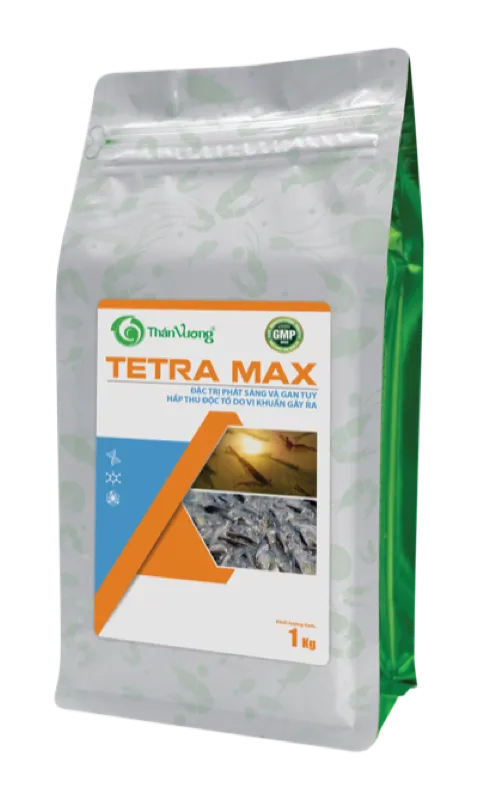 TETRA MAX
 OXYTETRA
 DOXYPA
 FLOR-MAX
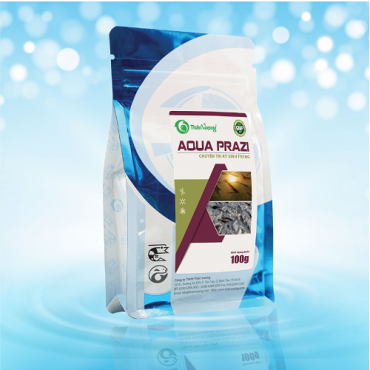 AQUA PRAZI
 BKC GOLD
 VIRO TRAP
 WORK 80
 WORK COP Plus