Working hours: Mon - Sat | 08:00 - 17:00HOTLINE: 0867 95 7568
Technical Article

USING MOLD INHIBITORS IN AQUATIC FEED

- It is a substance that prevents the growth of various molds capable of causing harm to aquatic animals. - Molds that develop and cause toxicity in feed are often *Aspergillus flacus*, producing aflatoxin toxins that are harmful to farmed animals. - Aflatoxin develops extensively on peanut oil cake, corn, and cassava.

ProtocolShrimpJuly 27, 2022👁 162 views
Click to listen to AI-narrated summary (1.2×)
AI Summary

Generate an English summary for USING MOLD INHIBITORS IN AQUATIC FEED

AI-generated summary based on the full article content below.

Editorial Framing

Why this article matters

    Full Article

    1. Definition of mold inhibitor:

    - A substance that prevents the growth of mold species capable of causing harm to aquatic animals.

    2. Origin of mold:

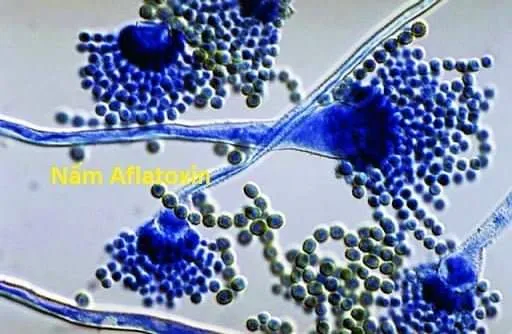
    - Molds that develop and cause toxicity in feed are often *Aspergillus flavus*, producing aflatoxin, which is harmful to aquatic animals.

    - Aflatoxin commonly develops on peanut meal, corn, and cassava.
    3. Causes and the necessity of using mold inhibitors in aquaculture feed:

    - Due to the scarcity of animal protein sources, there is a trend towards using more plant-based protein sources, leading to a higher risk of mycotoxin contamination because plants contain high oil content, making them very susceptible to mold growth.

    - Additionally, adverse hot and humid weather conditions can cause spoilage, and molds can easily grow on feed.

    => Therefore, if not treated, feed quality will decrease, causing toxicity when fed to fish. To prevent this, mold inhibitors are added to feed as an essential additive.

    - Common antifungal agents used include:

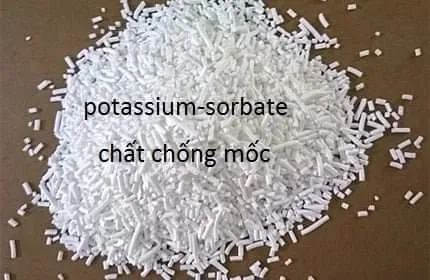
    + Potassium sorbate (2,000ppm) inhibits mold growth (does not kill mold).

    + Polypropylene glycol (1,2 – propanediol: 10,000ppm) inhibits and kills mold in feed. However, it does not completely eliminate aflatoxin.

    + Propionic acid, benzoic, and acetic acids inhibit the growth of other mold species.
    4. Effects of mold on aquatic animals:

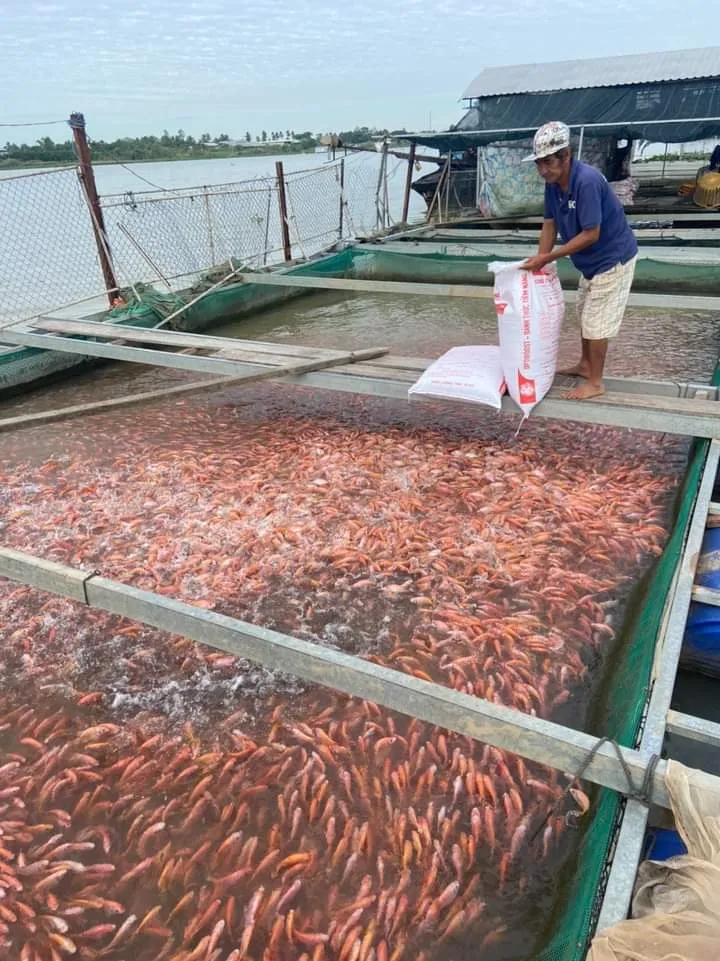
    - When fish are infected with mycotoxins from Aflatoxin, it will affect liver function, causing liver swelling and the formation of tumors in the liver and kidneys.

    - Slow growth, suppressed immune response.

    - Reduced feed quality.
    5. Solutions for mold control in feed:

    - Add mold inhibitors during feed production to adsorb toxins and prevent mold growth.

    - Choose reliable and reputable feed suppliers.

    - Store feed in a cool, dry place to avoid humidity.

    - Ensure raw materials are dried and free from insects and pests.


    TECHNICAL DEPARTMENT - MINH DUC
    Quick Q&A

    Frequently asked questions on this topic

    What does "USING MOLD INHIBITORS IN AQUATIC FEED" cover?

    - It is a substance that prevents the growth of various molds capable of causing harm to aquatic animals. - Molds that develop and cause toxicity in feed are often *Aspergillus flacus*, producing aflatoxin toxins that are harmful to farmed animals. - Aflatoxin develops extensively on peanut oil cake, corn, and cassava.

    Which species does this article apply to?

    Shrimp

    Related Products

    Products linked to this topic

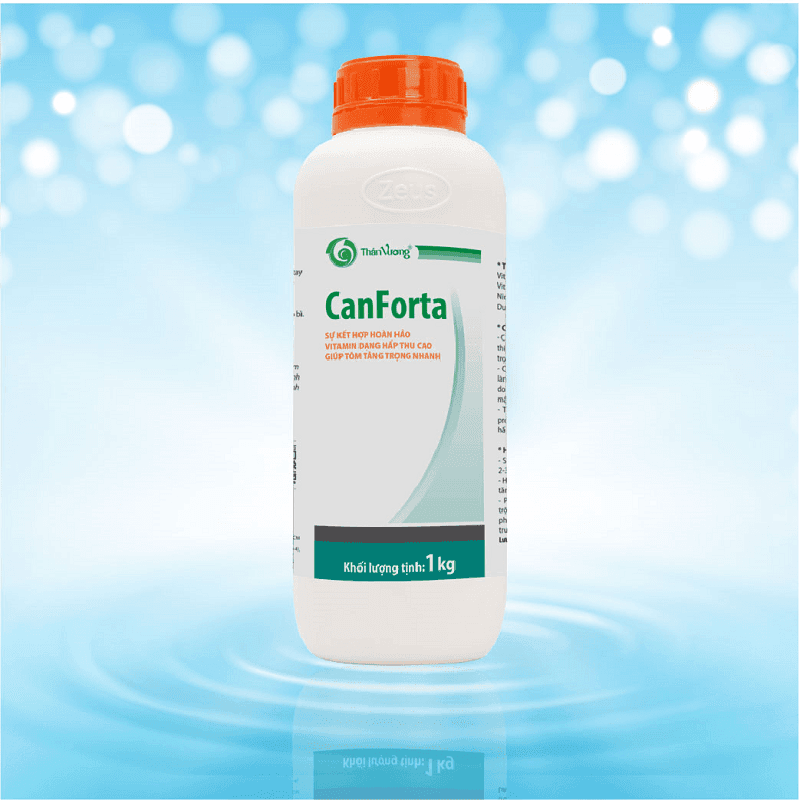
    Product reference for CANFORTA
    shrimpThần Vương Blue

    CANFORTA

    Vitamin dạng hấp thu cao giúp tôm tăng trọng nhanh

    Product reference for PRO GUT
    shrimpThần Vương Blue

    PRO GUT

    Hệ men tiêu hóa cao cấp chuyên dùng cho nuôi tôm ao bạt

    Product reference for LALPACK PROBIO
    allNguyên liệu

    LALPACK PROBIO

    Bảo vệ đường ruột, giúp tăng năng suất — hỗn hợp hiệp đồng probiotic cho tôm và cá.

    More Reading

    Related technical articles

    VAI TRÒ CỦA BỔ SUNG NƯỚC ĐIỆN GIẢI CHO TÔM
    ProtocolShrimpNovember 22, 2018

    THE ROLE OF ELECTROLYTE SUPPLEMENTATION FOR SHRIMP

    A recent report published in the journal Aquaculture International has provided further insight into the role of electrolyte supplem[...]

    Toàn cảnh thị trường tôm thế giới 2025 — Dữ liệu từ Shrimp Insights (Tháng 2/2026)
    Technical articleShrimpApril 9, 2026

    Global Shrimp Market 2025 Overview — Shrimp Insights Bulletin February 2026

    Tổng hợp thị trường tôm thế giới 2025: Ecuador dẫn đầu xuất khẩu (1.39M tấn, +15%), EU tăng nhập khẩu mạnh nhất (+21%), Mỹ biến động[...]

    SỰ THAY ĐỔI CỦA HỆ VI SINH ĐƯỜNG RUỘT DO SỰ NÓNG LÊN TOÀN CẦU. ĐIỀU HÒA SỨC KHỎE VẬT CHỦ VÀ TÌNH TRẠNG BỆNH Ở ĐỘNG VẬT BIẾN NHIỆT
    Research InsightShrimpFebruary 28, 2026

    CHANGES IN GUT MICROBIOTA DUE TO GLOBAL WARMING. REGULATING HOST HEALTH AND DISEASE STATUS IN POIKILOTHERMIC ANIMALS

    Tóm tắt nội dung chính: Sự nóng lên toàn cầu làm thay đổi hệ vi sinh vật đường ruột của tôm thẻ chân trắng Thái Bình Dương bằng cách[...]

    Ask Than Vuong

    Aquaculture technical assistant

    Hello there 👋

    Describe your pond issue or pick a question below.