Comparing resource utilization in shrimp farming - Part 1: Land
Shrimp farming productivity can be significantly increased without needing to expand the production land area for shrimp farms.
ProtocolShrimpJune 9, 2022👁 169 views
Click to listen to AI-narrated summary (1.2×)
AI Summary
Generate an English summary for Comparing resource utilization in shrimp farming - Part 1: Land
AI-generated summary based on the full article content below.
Editorial Framing
Why this article matters
Full Article
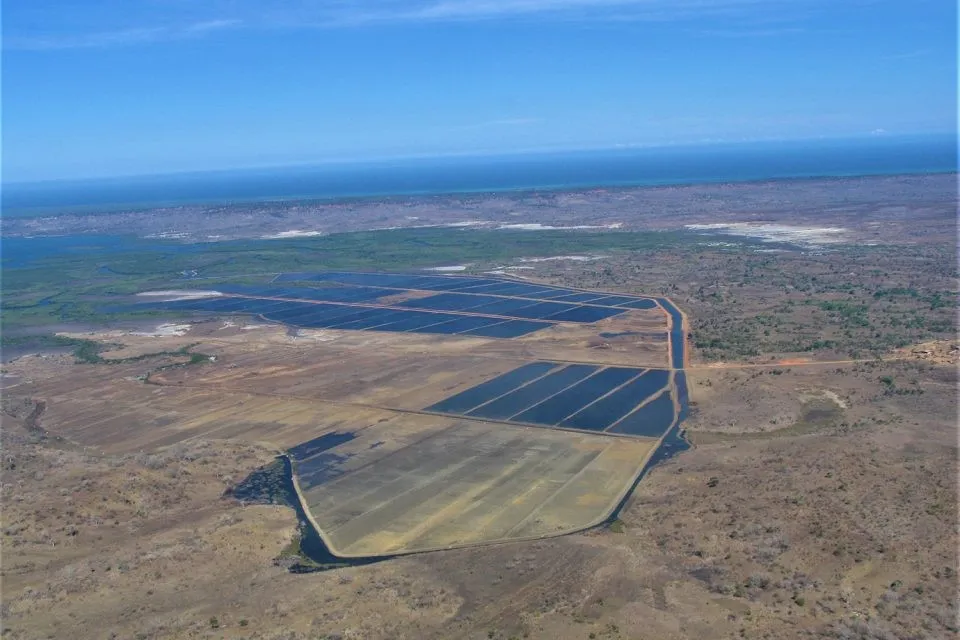
In these first three parts, Professor Boyd discusses land use in shrimp farming in five major farmed shrimp exporting countries - Ecuador, India, Indonesia, Thailand, and Vietnam - and suggests that shrimp productivity can be greatly increased without expanding land area for shrimp farms. Photo by Darryl Jory.
Land use is one of the most important issues in natural resource conservation. There is a two-way concern between conserving natural habitats and having enough arable land to meet current and future food production needs.
The amount of food produced globally has more than tripled since 1950, but the world population has also tripled. Per capita food availability today is actually slightly higher than in the 1950s. However, agricultural land use is only about 10% greater than in 1950. About 38% of the world's land area is used for food production; therefore, if agriculture does not become more intensive, there will not be enough land to supply food for humans and their livestock.
Land Use in Shrimp Farming
The data presented here on land use in shrimp farming were collected from surveys of Pacific white shrimp (Litopenaeus vannamei) farms in five major farmed shrimp exporting countries. The number of farms included: 101 farms in Ecuador; 89 in India; 1,341 in Indonesia; 34 in Thailand; and 30 in Vietnam.
Shrimp farming requires land to construct and operate farms. The land required for farms is typically 1.2 to 2.2 times the water surface area of the production ponds. In the survey, the average land-to-water ratio (LWR) ranged from 1.22 in Ecuador to 2.04 in Thailand (Table 1). The average LWR for the five leading shrimp exporting countries was 1.67.
Area (ha/farm)
Country
LWR
Ponds
Reservoirs
Canals
Settling areas
Dikes and other structures
Ecuador
1.24
141
8.76
9.03
11.29
5.6
India
1.33
5.15
0.34
0.2
---
1.15
Indonesia
1.77
2.79
1.08
1.32
0.1
0.65
Thailand
2.04
6.84
3.6
Quick Q&A
Frequently asked questions on this topic
What does "Comparing resource utilization in shrimp farming - Part 1: Land" cover?
Shrimp farming productivity can be significantly increased without needing to expand the production land area for shrimp farms.
Which species does this article apply to?
Shrimp — Water & Environment
Related Products
Products linked to this topic
shrimpThần Vương Blue
PRO GUT
Hệ men tiêu hóa cao cấp chuyên dùng cho nuôi tôm ao bạt
tom / ca / ocThần Vương Blue
MAX 4000
Vi sinh xử lý khí độc NH3, NO2, H2S — phân hủy mùn bã đáy ao, kiểm soát tảo và làm s […]
allNguyên liệu
LALSEA BIOREM
Khử NH3, xử lý hữu cơ sinh học, hiệu quả ở độ mặn cao
shrimpThần Vương Blue
HERB GUARD
Tăng cường chức năng gan, cải thiện màu sắc khối gan tụy
More Reading
Related technical articles
Protocol•Shrimp•November 22, 2018
THE ROLE OF ELECTROLYTE SUPPLEMENTATION FOR SHRIMP
A recent report published in the journal Aquaculture International has provided further insight into the role of electrolyte supplem[...]
Technical article•Shrimp•April 9, 2026
Global Shrimp Market 2025 Overview — Shrimp Insights Bulletin February 2026
Tổng hợp thị trường tôm thế giới 2025: Ecuador dẫn đầu xuất khẩu (1.39M tấn, +15%), EU tăng nhập khẩu mạnh nhất (+21%), Mỹ biến động[...]
Research Insight•Shrimp•February 28, 2026
CHANGES IN GUT MICROBIOTA DUE TO GLOBAL WARMING. REGULATING HOST HEALTH AND DISEASE STATUS IN POIKILOTHERMIC ANIMALS
Tóm tắt nội dung chính: Sự nóng lên toàn cầu làm thay đổi hệ vi sinh vật đường ruột của tôm thẻ chân trắng Thái Bình Dương bằng cách[...]
Ask Than Vuong
Aquaculture technical assistant
Hello there 👋
Describe your pond issue or pick a question below.

 In these first three parts, Professor Boyd discusses land use in shrimp farming in five major farmed shrimp exporting countries - Ecuador, India, Indonesia, Thailand, and Vietnam - and suggests that shrimp productivity can be greatly increased without expanding land area for shrimp farms. Photo by Darryl Jory.