Bacillary necrosis, hemorrhage, rising FCR — losing the pond
High-density pangasius easily breaks out with bacillary necrosis (Edwardsiella ictaluri) and hemorrhage when the pond environment turns bad. Than Vuong: stabilize environment + protect liver + treat the right agent.
Pond environmentLiver protectionTreat E. ictaluri
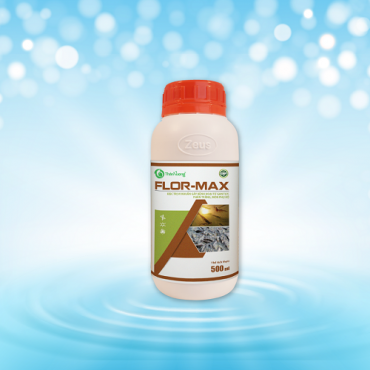
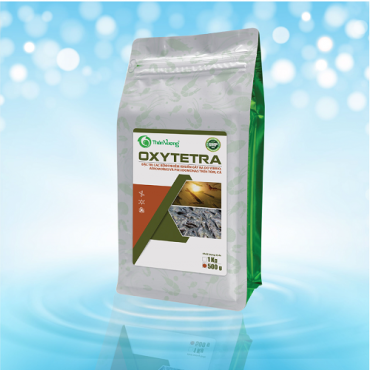
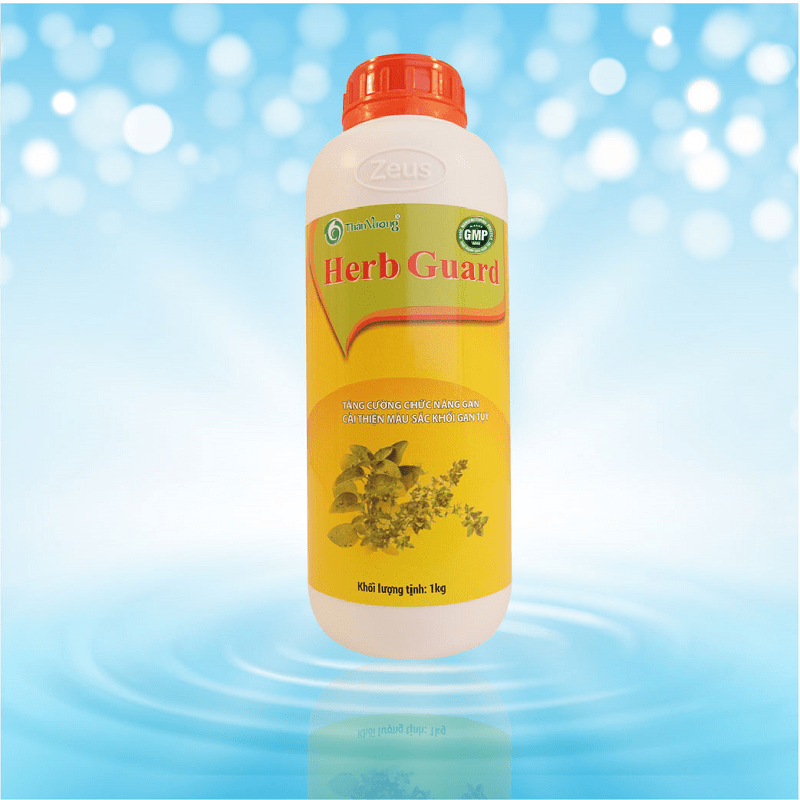
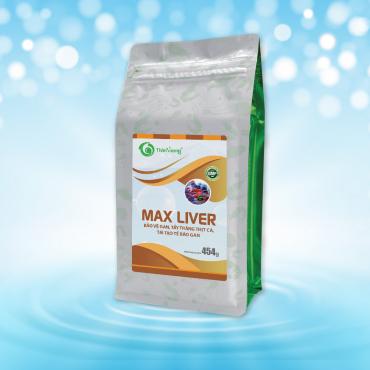
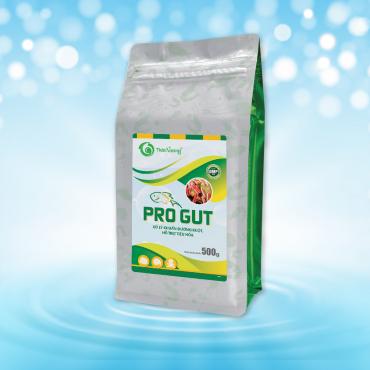
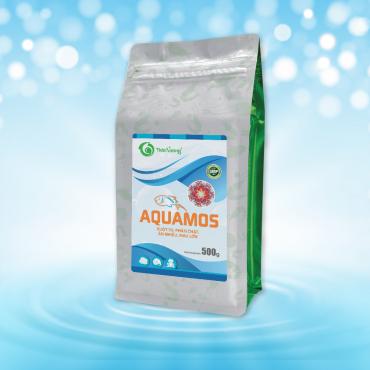
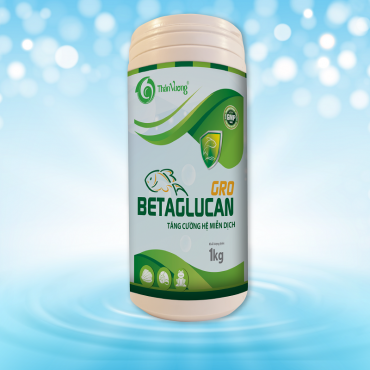
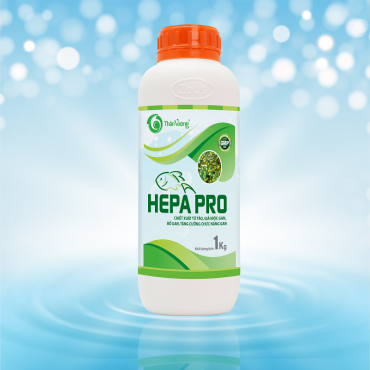
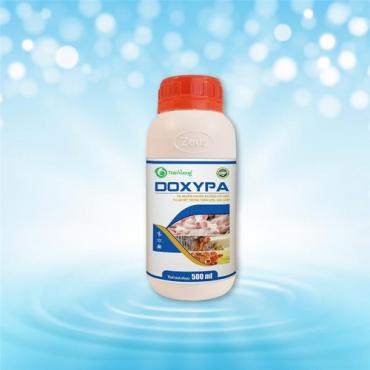
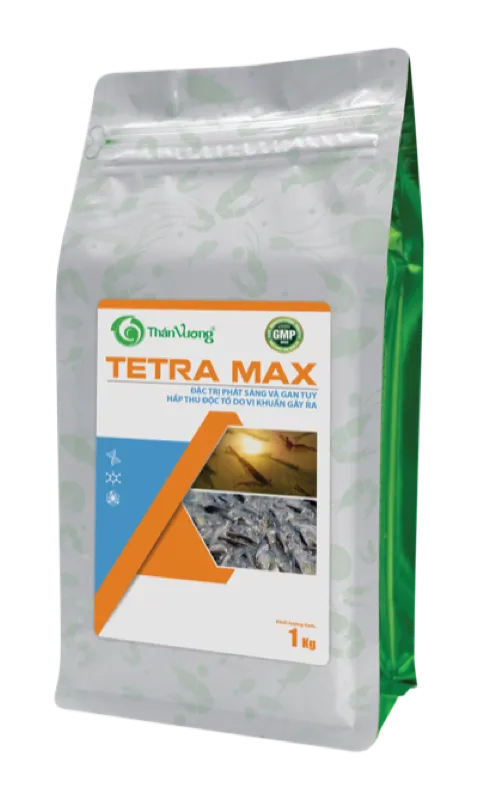
Successful grow-out pangasius needs: (1) managing the high-density pond — water exchange, bottom probiotics (SOILMAX New, MAX 4000), NH3/NO2 removal (YUCCA C); (2) liver and gut protection with HERB GUARD, MAX LIVER, PRO GUT plus immunity boosters AQUAMOS/BETAGLUCAN; (3) on disease: treat Edwardsiella ictaluri necrosis with FLOR-MAX, Aeromonas hemorrhage with OXYTETRA/DOXYPA, parasites with AQUA PRAZI — always observe the pre-harvest withdrawal period.
Quick Summary
Problems
High density, waste builds up on bottom
Bacillary necrosis (E. ictaluri), hemorrhage (Aeromonas)
Parasites, pale liver & gills
Signs
Off-feed, sluggish, drifting to banks
White necrotic spots on liver/kidney, fin-base hemorrhage
Swollen belly, pale gills, surfacing
Solutions
Bottom probiotics + toxic-gas removal
Liver protection + regular immunity boost
Treat the right agent + disinfect water
Solutions by issue
Effective Grow-out pangasius farming
🐟
Biology & model
Grow-out pangasius: high density, FCR is key
Pangasius is raised in high-density earthen/floating ponds on pellets. Organic load and FCR decide profit — a bad environment weakens the liver, invites disease and spikes FCR.
Stock 40–60 fish/m²; pellet feed in several meals.
Target FCR 1.5–1.7; 6–8 months to 0.8–1.2 kg.
Late crop has very high organic load — bottom and liver care are priorities.
Excess feed and feces build up, raising NH3/NO2/H2S and lowering bottom oxygen. Water exchange + bottom probiotics + toxic-gas removal keep the pond stable and the liver healthy.
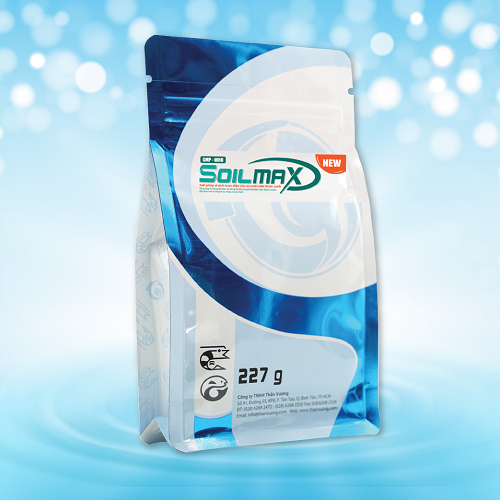
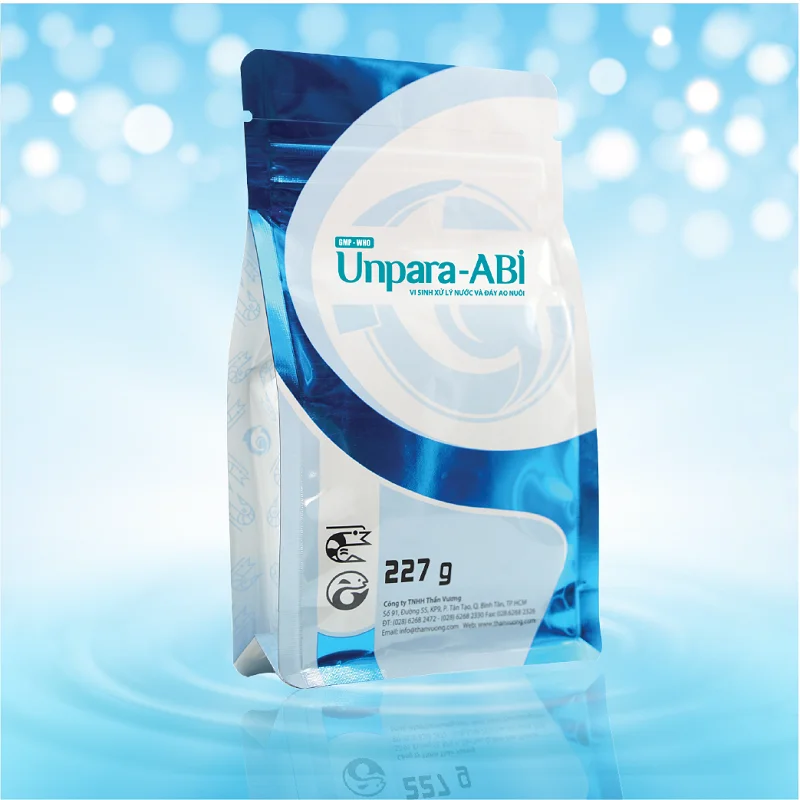
Regular SOILMAX New + MAX 4000 to decompose the bottom, cut toxic gas.
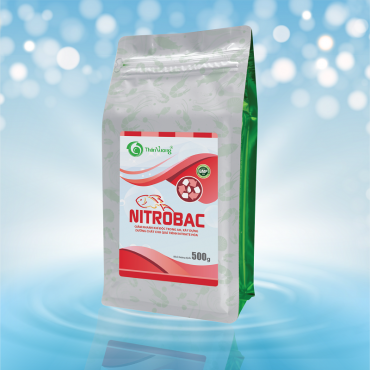
Apply YUCCA C / NITROBAC to absorb NH3 when gas rises.
Exchange water and boost oxygen, especially late-crop.
Bacillary necrosis & hemorrhage — treat the right agent
Bacillary necrosis (Edwardsiella ictaluri) and Aeromonas hemorrhage cause mass mortality. Identify the agent to use antibiotics effectively and avoid resistance.
Necrosis: white pus spots on liver/kidney/spleen → FLOR-MAX.
Aeromonas hemorrhage: red fin base/anus → OXYTETRA / DOXYPA.
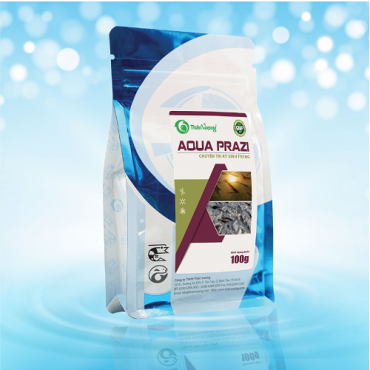
Parasites (gill flukes, Trichodina) → AQUA PRAZI; disinfect with WORK 80.
The liver is the most stressed organ in high-density pangasius. Protecting liver + gut + regular immune support helps fish cope, feed strongly and reduces antibiotic use.
Feed HERB GUARD + MAX LIVER to protect and restore the liver.
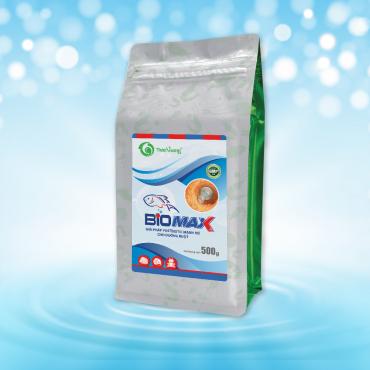
PRO GUT / BIOMAX stabilize the gut, improve absorption.
International research on Grow-out pangasius farming & disease
Click to read the full translation. Open-access papers fully translated; copyrighted papers summarized from abstract.
⭐ Notable🦠
PLoS ONEFull text
Bacillus probiotic
Effects of Bacillus subtilis as a single strain probiotic on growth, disease resistance and immune response of striped catfish
Liaqat et al., 2024, PLoS ONE
Finding: Dietary Bacillus subtilis at 1×10¹⁰ CFU/g nearly doubled weight (398 vs 218 g), cut FCR 2.55→0.89, and raised post-challenge survival 40%→100%.
Different angle: Strong support: a single feed-added Bacillus strain boosts growth/FCR and resistance, fitting feed-probiotics for catfish grow-out.
Background & methods
Striped catfish under intensive culture face stress, disease and antibiotic overuse. Bacillus subtilis was tested as a single-strain feed probiotic over 8 weeks at P0–P3 (1×10⁶–10¹⁰ CFU/g), then challenged with Staphylococcus aureus.
Results
Weight 217.73 g (P0) → 398.01 g (P3); SGR 0.66 → 1.61%/day; FCR 2.55 → 0.89.
Outbreak of Ichthyophthirius multifiliis with Aeromonas hydrophila in Pangasianodon hypophthalmus: turmeric oil enhancing immunity against co-infection
Kumar, Das et al., 2022, Frontiers in Immunology
Finding: An Ichthyophthirius × Aeromonas hydrophila co-infection killed over 90% of fingerlings; 10 ppm turmeric oil roughly doubled survival and boosted immune/antioxidant markers.
Different angle: Aeromonas hemorrhage often co-occurs with parasites in cold/poor water; herbal additives plus water probiotics lower pathogen pressure.
Background & results
A natural co-infection of Ichthyophthirius multifiliis and Aeromonas hydrophila killed over 90% of catfish fingerlings in cold water (16–20°C). A. hydrophila alone caused 100% mortality in 48 h. Turmeric oil at 10 ppm roughly doubled survival; SOD/catalase peaked, cortisol fell, HSP70/90 ~2-fold up, C3 ≥4-fold up. A herbal alternative to antibiotics for Aeromonas co-infection.
Source: Kumar, Das et al., 2022, Frontiers in ImmunologyView original →
⭐ Notable🧬
MicroorganismsFull text
BNP — antimicrobial resistance
Genomic Insights into Edwardsiella ictaluri: Molecular Epidemiology and Antimicrobial Resistance in Striped Catfish Aquaculture in Vietnam
Erickson et al., 2024, Microorganisms (MDPI)
Finding: 30 Vietnamese E. ictaluri isolates belonged to one ST-26 lineage and widely carried resistance to florfenicol (77%), sulfonamides (77%), streptomycin (77%) and tetracycline (63%), with 30% ESBL-positive.
Different angle: BNP is catfish's top killer and now resists most common antibiotics — reinforcing proactive prevention via bottom/gas probiotics and liver-support additives.
Background & results
Bacillary necrosis (BNP) from E. ictaluri is the most damaging catfish disease in the Mekong Delta. Of 72 isolates (2017–2021, 7 provinces), 30 were whole-genome sequenced: all were ST-26 (≥99% identity, ≤90 SNPs), carrying floR 77%, sul2 77%, streptomycin 77%, tetA 63%, ESBL 30%; 57% had T3SS, all had urease. A single resistant lineage circulates widely, warning of treatment failure and the need for non-antibiotic prevention.
Source: Erickson et al., 2024, Microorganisms (MDPI)View original →
🟡
AquacultureAbstract
Multispecies probiotic & liver
A multispecies probiotic modulates growth, digestive enzymes, immunity, hepatic antioxidant activity, and disease resistance of Pangasianodon hypophthalmus fingerlings
2022, Aquaculture (Elsevier)
Finding: A multispecies probiotic improved growth, digestive enzymes, immunity, hepatic antioxidant activity and disease resistance in catfish fingerlings.
Different angle: A multispecies blend boosts growth and protects the liver — fitting liver-support plus digestive probiotics for catfish.
Translated from the abstract — full paper restricted by the publisher on the original page.
(Translated from the abstract — full text on the original page)
Published in Aquaculture, this study evaluated a multispecies probiotic feed additive in striped catfish fingerlings. Probiotic-fed fish showed improved growth, higher digestive enzymes, positively modulated immunity, raised hepatic antioxidant activity (liver protection) and higher survival on challenge. The blend is a useful additive improving growth, digestion, immunity, liver protection and disease resistance. (Paywalled — no numbers cited to avoid error.)
Bacillary necrosis from Edwardsiella ictaluri — treat with FLOR-MAX (florfenicol, low resistance) per dose, with HERB GUARD for liver recovery and reduced feeding during treatment. Observe full withdrawal before harvest.
What FCR is good for pangasius?
Target FCR ~1.5–1.7. A rising FCR usually means weak liver, poor gut absorption or bad environment — protect the liver (HERB GUARD, MAX LIVER), stabilize the gut (PRO GUT) and treat the environment.
How to handle toxic gas in high-density pangasius ponds?
Apply SOILMAX New + MAX 4000 regularly to decompose the bottom and convert NH3/NO2; use YUCCA C or NITROBAC to absorb NH3 when high; increase water exchange and oxygen, especially late-crop.
How to treat parasites on pangasius?
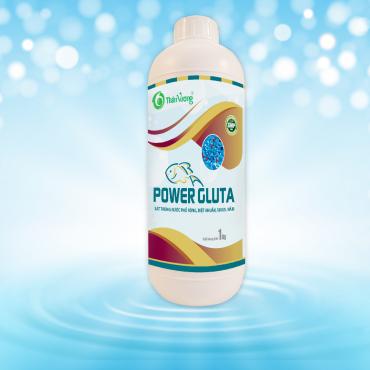
Gill flukes, Trichodina, monogeneans → use AQUA PRAZI, combine with water disinfection by WORK 80 or POWER GLUTA, then re-seed probiotics.
Need Grow-out pangasius farming advice?
Than Vuong technical team — free protocol consultation for your pond/cage, 24h response.