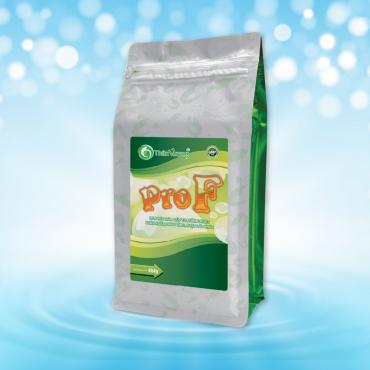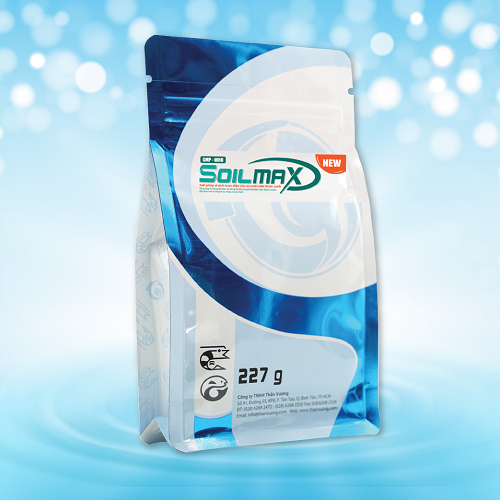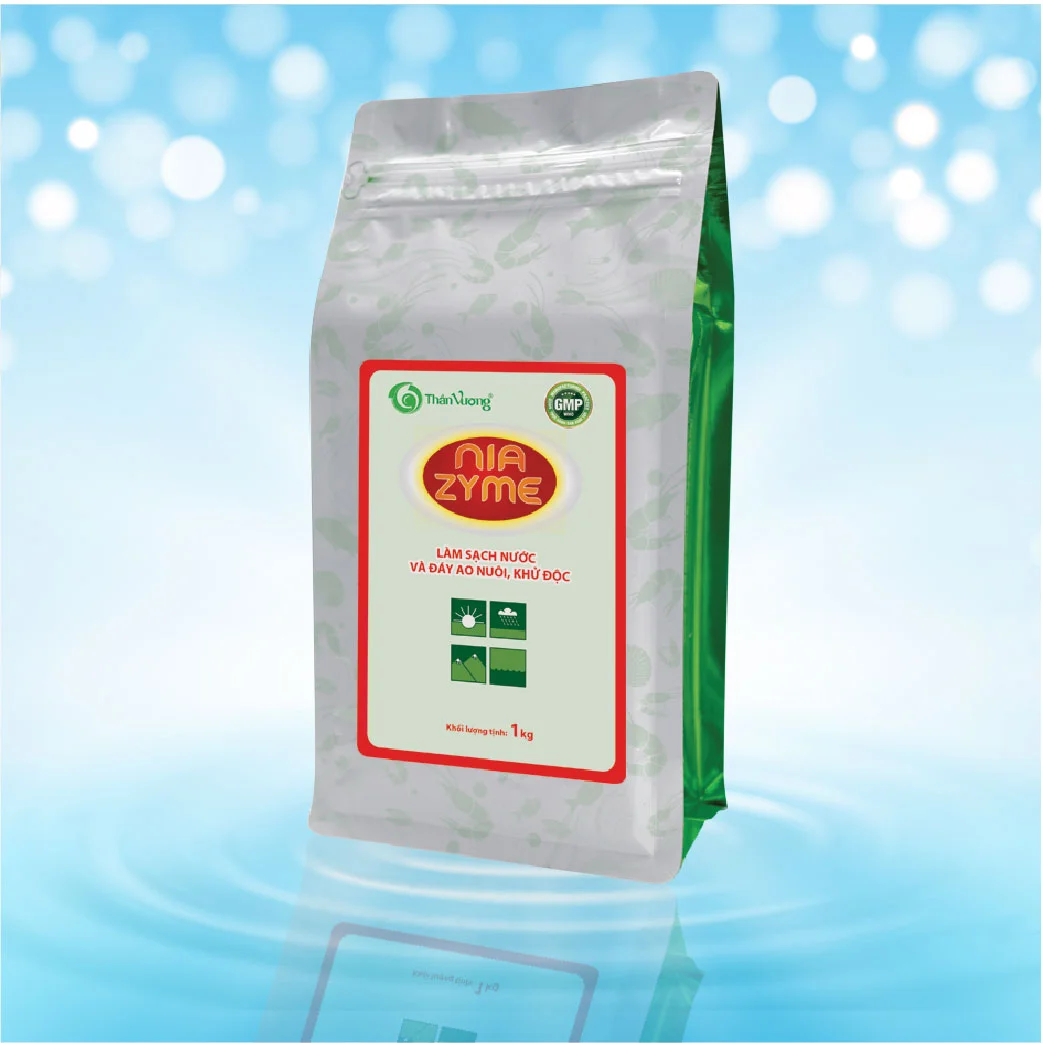
The fry-to-fingerling nursery stage decides whole-crop survival. Fry are sensitive and die easily from a foul nursery, parasites and early bacillary necrosis. Than Vuong: clean nursery + strong digestion + immunity + early disease control.
Clean nurseryDigestion & immunityEarly disease control
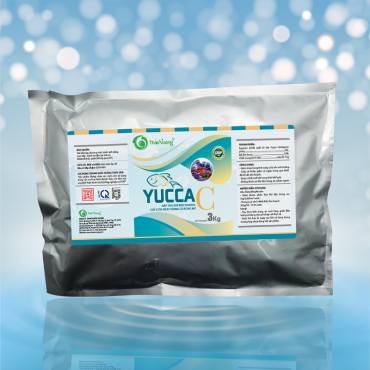
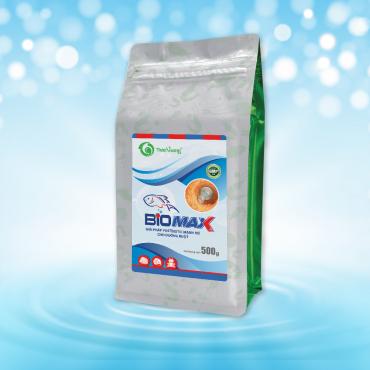
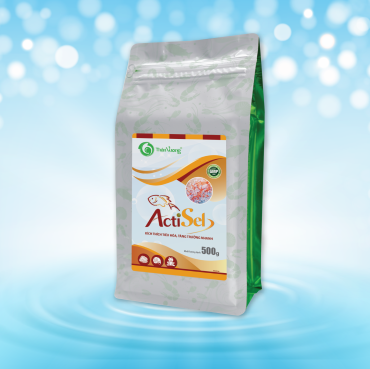
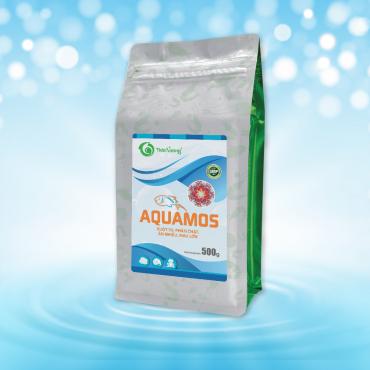
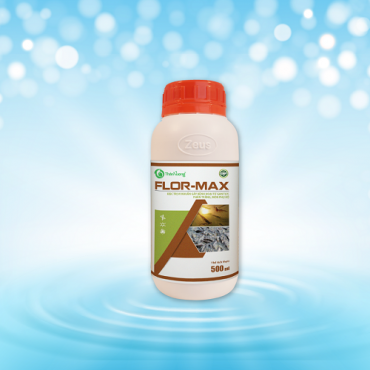
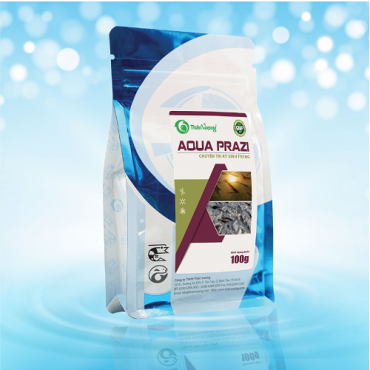
A successful pangasius nursery needs: (1) a clean tank/pond — SOILMAX New, NIAZYME probiotics, YUCCA C for toxic gas, gentle water exchange; (2) digestion and immunity support with PRO F, BIOMAX, ACTISEL, AQUAMOS; (3) early disease control: Edwardsiella ictaluri necrosis often appears at the fingerling stage → FLOR-MAX; parasites (Trichodina, flukes) → AQUA PRAZI. Fry are very sensitive — dose carefully and avoid shock.
Quick Summary
Problems
Foul nursery, fast toxic-gas rise
Weak fry, poor digestion
Early necrosis & parasites
Signs
Fry cluster, swim weakly, fast loss
Empty belly and gut
Liver pus spots, Trichodina on skin/gills
Solutions
Probiotics + exchange keep nursery clean
Digestive enzymes + immunity for fry
Detect & treat early, gentle dose
Solutions by issue
Effective Pangasius fry / fingerling farming
🐣
Nursery stage
Sensitive fry — high mortality
Pangasius fry are nursed at high density, feed continuously and are very sensitive. Good water and nutrition here lift survival and fingerling quality.
International research on Pangasius fry / fingerling farming & disease
Click to read the full translation. Open-access papers fully translated; copyrighted papers summarized from abstract.
⭐ Notable🦠
Aquaculture ReportsFull text
Probiotics in nursery
Assessing the impacts of in-feed probiotic on the growth performance and health condition of pangasius in a farm trial
Haque et al., 2021, Aquaculture Reports
Finding: In-feed Bacillus probiotic during nursing raised phase-2 survival from 28.73% to 58.58% (~104%) and improved length, haematology and intestinal villi.
Different angle: Direct evidence for Mekong nursery farmers: early probiotic feeding is a low-cost biological alternative to prophylactic antibiotics.
Background
High nursery mortality is a major bottleneck in pangasius (Pangasianodon hypophthalmus) farming. This Bangladesh farm trial tested an in-feed probiotic across three phases as an antibiotic alternative.
Methods & results
Probiotic (B. subtilis, B. licheniformis, B. pumilus, 1×10¹⁰ cfu/g) at 0.2 g/kg feed, phases 1–2 only.
Phase-2 survival 58.58% vs 28.73% control (+104%); phase-1 length 3.16 vs 2.14 cm; villus height 426–498 vs 293–381 µm.
Conclusion
Early Bacillus probiotic sharply cut fry mortality with lasting benefits through grow-out — a cost-effective antibiotic alternative.
Source: Haque et al., 2021, Aquaculture ReportsView original →
⭐ Notable💪
AntioxidantsFull text
Postbiotic & resistance
Dietary Probiotic Bacillus subtilis and Its Postbiotic Metabolites Enhance Growth, Immunity, and Resistance to Edwardsiellosis in Pangasianodon hypophthalmus
Wiratama et al., 2025, Antioxidants (MDPI)
Finding: Probiotic Bacillus subtilis plus its postbiotic for 30 days raised post-challenge survival against Edwardsiella from 62.5% to 87.5%, with higher growth (SGR 3.29 vs 0.74 %/day) and mucosal lysozyme.
Different angle: Supports the postbiotic (ISAPP) angle: probiotic + metabolites boost immunity and liver-gut antioxidants while raising resistance to Edwardsiella behind bacillary necrosis.
Background
Edwardsiellosis causes heavy losses in pangasius. This 2025 study tested probiotic Bacillus subtilis AAHM-BS2360 and its cell-free postbiotic.
Methods & results
240 fish, 30-day feeding then Edwardsiella challenge (1×10⁷ CFU/fish).
Survival: control 62.5%, probiotic 81.25%, postbiotic 84.37%, Pro+Post 87.5%.
Conclusion
The probiotic–postbiotic combination gave the highest survival against Edwardsiella while improving growth and antioxidant status.
Source: Wiratama et al., 2025, Antioxidants (MDPI)View original →
🧬
J. Fish DiseasesAbstract
Genetic resistance to BNP
Genetic analysis of resistance in Mekong striped catfish to bacillary necrosis caused by Edwardsiella ictaluri
Pham et al., 2021, Journal of Fish Diseases
Finding: Resistance to bacillary necrosis (Edwardsiella ictaluri) shows low-to-moderate heritability (up to 0.135–0.220 at 50% mortality), indicating selective breeding is feasible.
Different angle: BNP is the top killer of pangasius fingerlings; resistance is partly genetic but modest, so biological tools remain essential while breeding matures.
Translated from the abstract — full paper restricted by the publisher on the original page.
(Translated from the abstract — full text on the original page)
Bacillary necrosis (BNP) from Edwardsiella ictaluri is the leading loss in Mekong striped catfish. Data from four cohabitation challenges were analysed with three genetic models at 50% mortality and endpoint. Heritability was very low (≤ 0.012) under the survival model but reached 0.135–0.220 at 50% mortality under linear/threshold models — exploitable but modest. Breeding for resistance is feasible yet slow, so biological management remains essential.
Source: Pham et al., 2021, Journal of Fish DiseasesView original →
☣️
Fish & Shellfish Immunol.Abstract
Probiotics & ammonia tolerance
Effects of dietary mixed Bacillus spores on growth, innate immunity and stress responses of striped catfish
Thy et al., 2017, Fish & Shellfish Immunology
Finding: Spore-forming Bacillus probiotics fed for 90 days cut ammonia-stress mortality to 20–27% versus 75% in controls, while raising growth and innate immunity.
Different angle: Ammonia toxicity is a top loss in dense nurseries; gut probiotics speed growth and markedly improve ammonia tolerance.
Translated from the abstract — full paper restricted by the publisher on the original page.
(Translated from the abstract — full text on the original page)
In high-density pangasius nurseries, ammonia (NH3) is a major lethal stressor. Spore-forming Bacillus amyloliquefaciens 54A + B. pumilus 47B (gut-isolated) were fed at 1–5×10⁸ CFU/g for 90 days. At the top dose, weight gain reached 476.6 g vs 390 g control; innate immune indices rose. Under ammonia stress, probiotic mortality was only 20–27% vs 75% in controls. Gut probiotics boost growth and ammonia tolerance in dense systems.
Source: Thy et al., 2017, Fish & Shellfish ImmunologyView original →
Frequently Asked Questions
How to raise survival in pangasius nursery?
Keep nursery water clean (SOILMAX New, NIAZYME, YUCCA C, gentle exchange), support fry digestion and immunity (PRO F, BIOMAX, ACTISEL, AQUAMOS) and detect disease early (scope parasites, watch the liver). Feed to appetite, avoid leftover fine feed.
Why do pangasius fry die quickly?
Usually fast toxic-gas rise in the nursery, parasites (Trichodina, flukes) or early necrosis. Check water, scope parasites and watch the liver to treat the right cause.
How to treat necrosis in fingerlings?
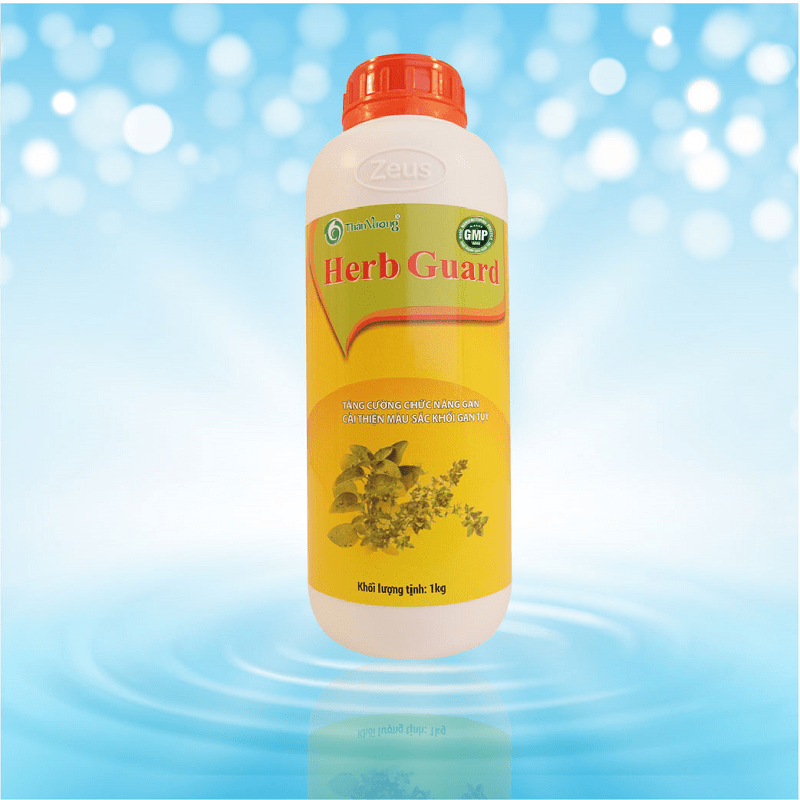
Treat with FLOR-MAX at a careful, size-based dose (fingerlings are drug-sensitive), with HERB GUARD for liver recovery and reduced feeding. Observe withdrawal.
How to handle toxic gas in the nursery?
Apply SOILMAX New + NIAZYME regularly; use YUCCA C to absorb NH3 when high; exchange water gently and avoid leftover fine feed.
Need Pangasius fry / fingerling farming advice?
Than Vuong technical team — free protocol consultation for your pond/cage, 24h response.