All fish speciesGrouper — High-value marine

Grouper off-feed, ulcers, marine parasites & Vibrio

Cage/marine-pond grouper easily catches parasites (marine white spot, gill flukes), Vibrio and nervous necrosis when water and cage bottom are foul. Solution: clean environment + immunity + treat the right agent.

Cage/marine environmentParasite & Vibrio controlMarine-fish immunity

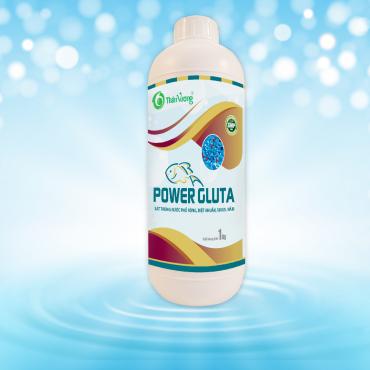
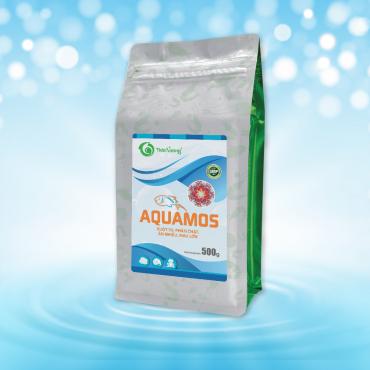
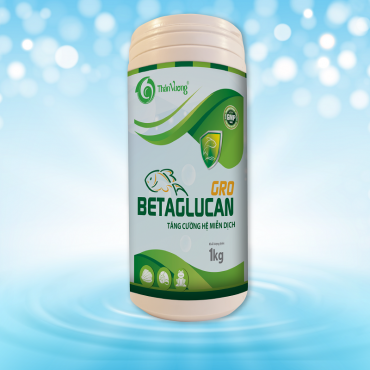
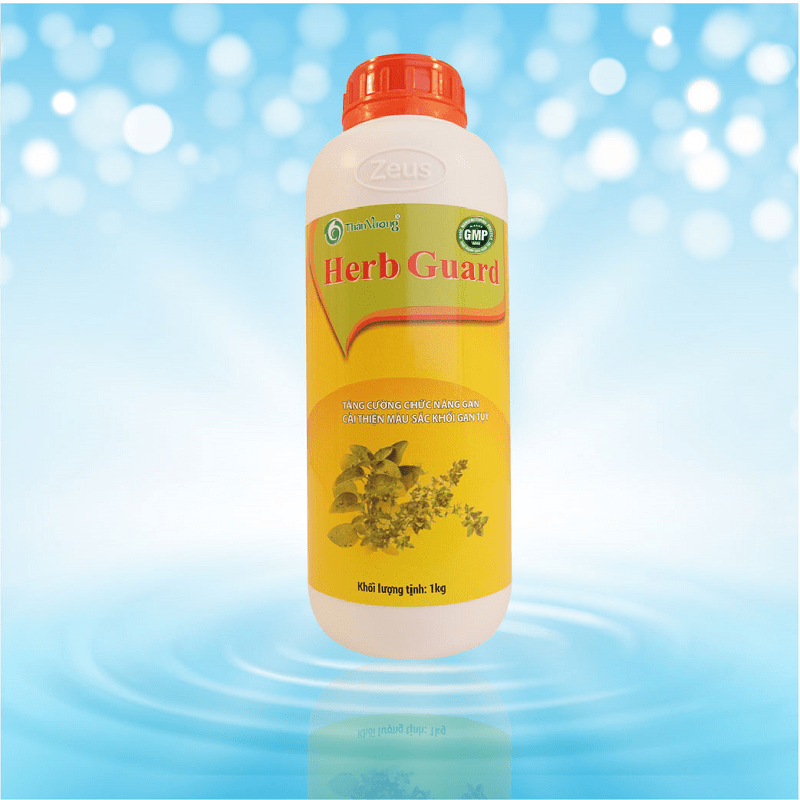
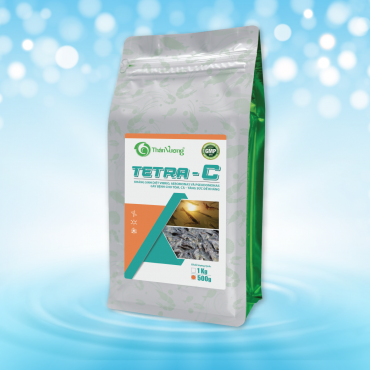
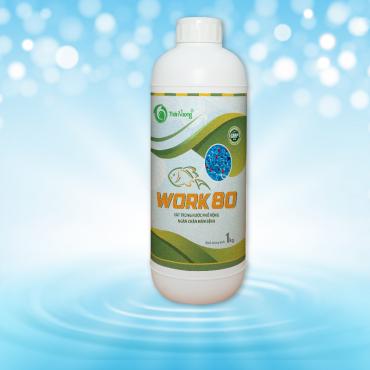
Grouper needs stable salinity (25–33‰), good oxygen and current, and a clean cage/pond bottom. Use SOILMAX/MAX 4000 for the bottom, boost immunity with AQUAMOS + BETAGLUCAN GRO + vitamin C, protect the liver with HERB GUARD/MAX LIVER. Treat parasites (Cryptocaryon marine white spot, Benedenia gill flukes) with freshwater bath and WORK COP Plus; treat Vibrio with OXYTETRA/FLOR-MAX; disinfect with WORK 80/POWER GLUTA. Prevent viral nervous necrosis (VNN) with disease-free seed and biosecurity.

Quick Summary

Problems

  • Foul water/cage bottom, weak current
  • Marine parasites (white spot, gill flukes)
  • Vibrio, viral nervous necrosis (VNN)

Signs

  • Flashing, sluggish swimming, off-feed
  • White spots/mucus on skin and gills, fin erosion
  • Ulcers, spiral swimming, scattered mortality

Solutions

  • Clean the cage + bottom probiotics
  • Bath/disinfect for parasites
  • Boost immunity + treat bacteria with the right drug
Solutions by issue

Effective Grouper farming

🐠
Biology & model

Grouper: carnivorous, high-value marine fish

Grouper is raised in sea cages or lined marine ponds at lower density than pangasius, over a long cycle (8–12 months) but at high value. It is sensitive to salinity swings and water quality.

  • Carnivorous — high protein; add vitamins and minerals for growth.
  • Low density, long cycle — sustained environmental management is key.
  • Very sensitive to salinity and oxygen — avoid shock.
Salinity25–33‰
Harvest8–12 months
🌊
Marine environment

Clean cage and marine-pond bottom

Leftover feed and waste accumulate under the cage/pond bottom, generating toxic gas and pathogens. Cleaning cage nets, bottom probiotics and good current/oxygen keep grouper healthy.

  • Clean cage nets regularly, remove leftover feed under the cage.
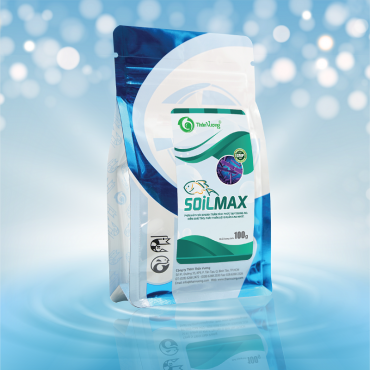
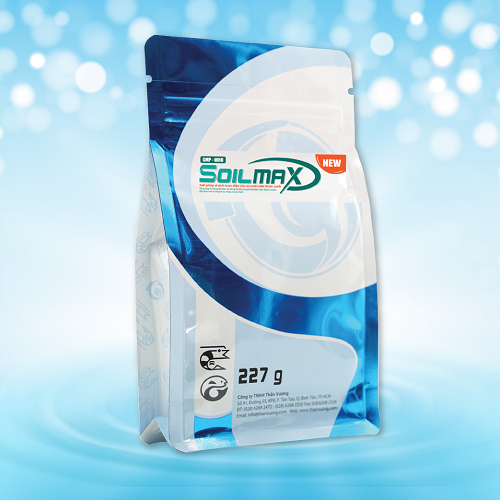
  • SOILMAX + MAX 4000 to treat the pond bottom / cage area.
  • Ensure current and dissolved oxygen, avoid stagnation.
🪱
Parasites & ulcers

Marine parasites & ulcers — treat early

Marine white spot (Cryptocaryon) and gill flukes (Benedenia) are common parasites that cause flashing, gill erosion and off-feed. Early detection and treatment prevent secondary bacterial infection.

  • A 5–10 minute freshwater bath drops marine parasites.
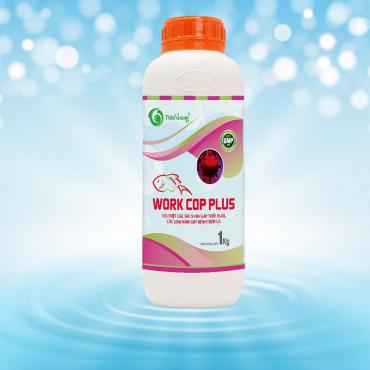
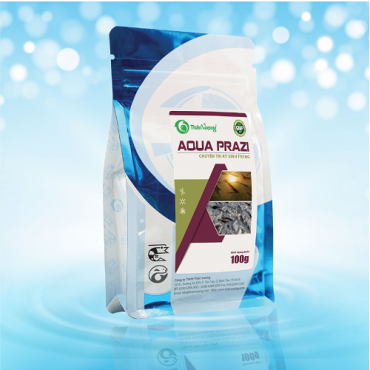
  • Disinfect with WORK COP Plus; AQUA PRAZI for flukes.
  • After parasite treatment, boost immunity and protect the liver for recovery.
🛡️
Immunity & Vibrio

Boost immunity — control marine Vibrio

The long cycle makes grouper prone to stress and Vibrio. Immune support (AQUAMOS, BETAGLUCAN GRO), vitamin C and liver protection help; on bacterial infection use the right antibiotic.

  • AQUAMOS + BETAGLUCAN GRO + vitamin C boost immunity regularly.
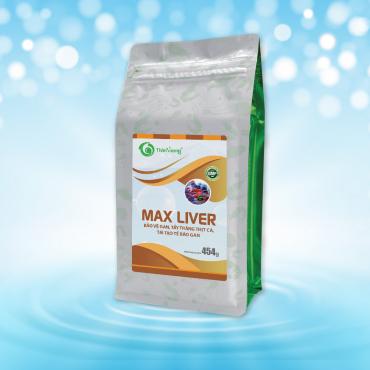
  • HERB GUARD / MAX LIVER protect the liver over the long cycle.
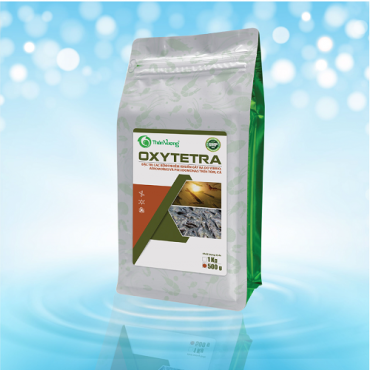
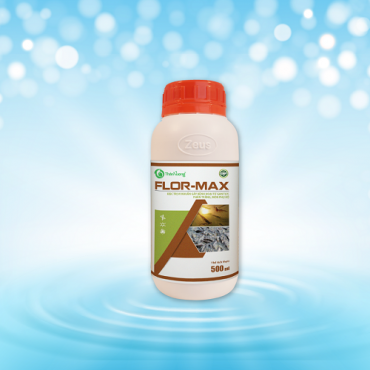
  • Vibrio/bacterial infection → OXYTETRA or FLOR-MAX; disinfect with WORK 80.
Protocol

5-step farming & treatment protocol

1
Clean cage/bottom

Clean cage nets regularly, remove leftover feed; SOILMAX + MAX 4000 to treat the bottom of the culture area.

2
Boost immunity

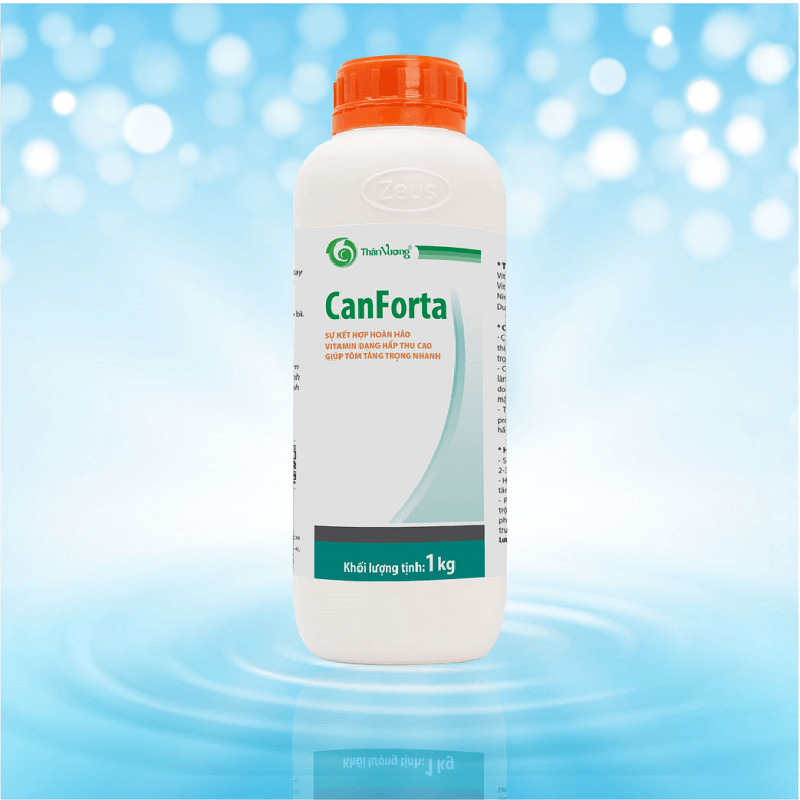
AQUAMOS + BETAGLUCAN GRO + CANFORTA (vitamin C) regularly; HERB GUARD for liver over the long cycle.

3
Parasites

Freshwater bath 5–10 min or WORK COP Plus; AQUA PRAZI for gill flukes.

4
Bacteria / Vibrio

Use OXYTETRA or FLOR-MAX by agent; disinfect with WORK 80 / POWER GLUTA. Observe withdrawal.

5
Prevent VNN

Choose disease-free seed (PCR-tested), keep biosecurity, avoid sudden environmental shock.

Product toolkit

Than Vuong products for Grouper

Scientific perspective

International research on Grouper farming & disease

Click to read the full translation. Open-access papers fully translated; copyrighted papers summarized from abstract.

Notable
VaccinesFull text
DNA vaccine vs VNN

A Bicistronic DNA Vaccine against Nervous Necrosis Virus in Pearl Gentian Grouper

Lin et al., 2022, Vaccines (MDPI)

Finding: A bicistronic DNA vaccine (NNV capsid + IRF3 adjuvant) gave 66.7–81.25% relative survival in hybrid grouper after challenge, depending on viral dose.

Different angle: VNN has no cure; this confirms prevention via active immunity and resistant seed — pairing NNV-negative seed, biosecurity and immune-boosting probiotics is the practical path.

Source: Lin et al., 2022, Vaccines (MDPI)View original →
Notable
MicroorganismsFull text
Probiotic vs Vibrio

Host Gut-Derived Probiotic Exiguobacterium acetylicum G1-33 Improves Growth, Immunity and Resistance to Vibrio harveyi in Hybrid Grouper

Zhang et al., 2024, Microorganisms (MDPI)

Finding: A gut-derived probiotic (Exiguobacterium acetylicum G1-33) at 10⁸ CFU/g improved hybrid-grouper weight (~9.3%), gut morphology and Vibrio harveyi resistance; an excessive 10¹⁰ dose backfired.

Different angle: Validates selected probiotics over antibiotics against Vibrio, with the key lesson that dose matters — overdosing causes oxidative stress.

Source: Zhang et al., 2024, Microorganisms (MDPI)View original →
Frontiers in ImmunologyFull text
White-spot immunization

Protection of Grouper Against Cryptocaryon irritans by Immunization With Tetrahymena thermophila

Mo et al., 2022, Frontiers in Immunology

Finding: Immunizing grouper with the cheap free-living ciliate Tetrahymena thermophila gave cross-protection against Cryptocaryon irritans, cutting infection from 15.3% to 8.9%, with tubulin as the shared antigen.

Different angle: Marine white-spot spreads fast and is hard to treat once heavy; this opens an immunization route and underlines early monitoring plus quarantine and immunity over chemicals.

Source: Mo et al., 2022, Frontiers in ImmunologyView original →
Frontiers in Marine Sci.Full text
Reishi polysaccharide

Ganoderma lucidum polysaccharides as immunostimulants against Vibrio harveyi in pearl gentian grouper

Zhang et al., 2022, Frontiers in Marine Science

Finding: Ganoderma lucidum polysaccharides raised hybrid-grouper resistance to Vibrio harveyi, lifting relative survival from 33.3% to 70–73.3% at 6–8 mg/mL, with higher lysozyme, SOD, catalase and immune genes.

Different angle: Reinforces Than Vuong's natural-resistance toolkit: bio-based immunostimulants cut Vibrio mortality without antibiotics, dose-dependently.

Source: Zhang et al., 2022, Frontiers in Marine ScienceView original →

Frequently Asked Questions

How to treat marine white spot (Cryptocaryon) on grouper?

Freshwater bath 5–10 minutes to drop parasites, plus WORK COP Plus disinfection. Marine white spot has a complex life cycle, so repeat by cycle and keep water/bottom clean to avoid reinfection.

What salinity suits grouper farming?

Salinity 25–33‰, high dissolved oxygen and good current. Grouper is sensitive to abrupt salinity swings — after heavy rain, monitor and avoid shock.

Why is grouper off-feed and sluggish?

Usually parasites (white spot, gill flukes), Vibrio, or a foul environment/toxic gas under the cage. Check parasites and water; treat parasites first, then boost immunity and protect the liver.

Which Than Vuong products are for marine fish?

Grouper and marine fish can use: SOILMAX/MAX 4000 (environment), AQUAMOS + BETAGLUCAN GRO (immunity), HERB GUARD/MAX LIVER (liver), WORK COP Plus/WORK 80/POWER GLUTA (disinfection, parasites) and OXYTETRA/FLOR-MAX for bacterial infection.

Need Grouper farming advice?

Than Vuong technical team — free protocol consultation for your pond/cage, 24h response.

Technical Advisor

Aquaculture Q&A

Hello there 👋

Describe your pond issue or pick a question below.