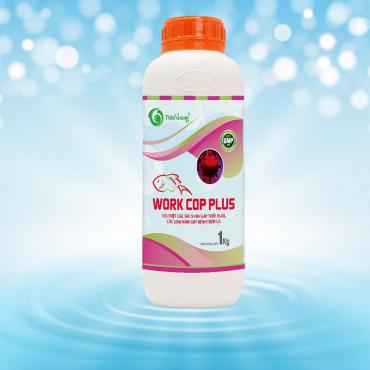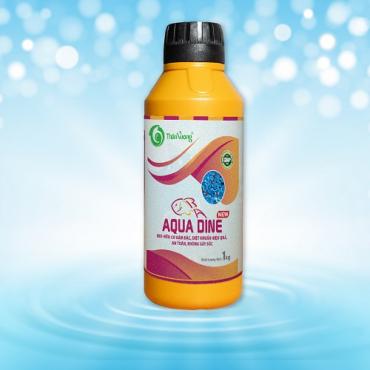
Hemorrhage, exophthalmia, parasites on scaled fish
Scaled fish (tilapia, red tilapia, snakehead) easily catch hemorrhagic disease from Streptococcus/Aeromonas (exophthalmia, darkening, ulcers) and parasites when ponds are foul and hot. Solution: stable environment + immunity + treat the right bacterium.
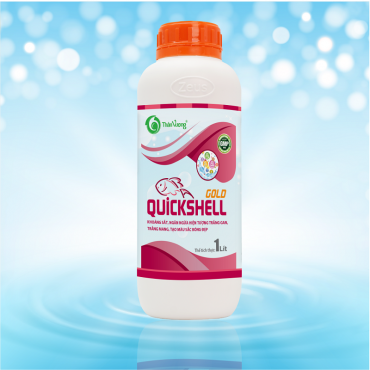
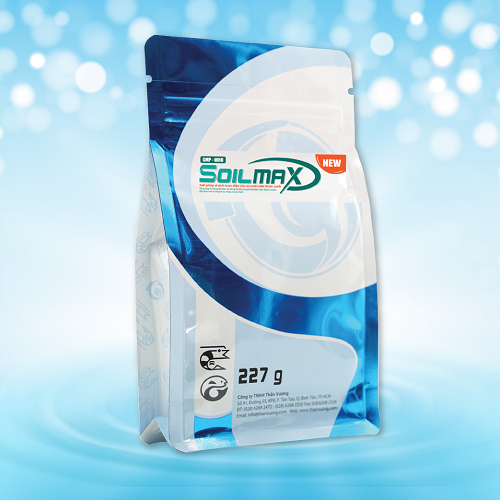
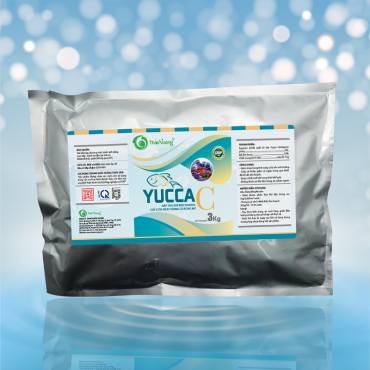
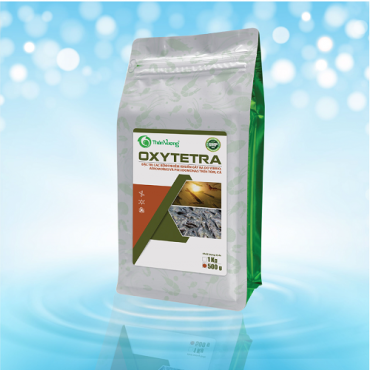
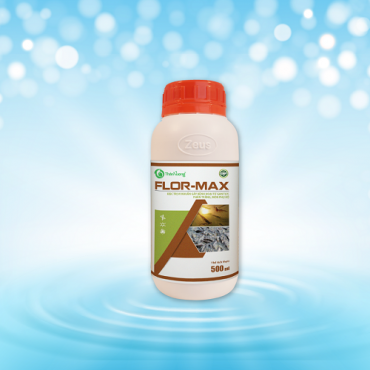
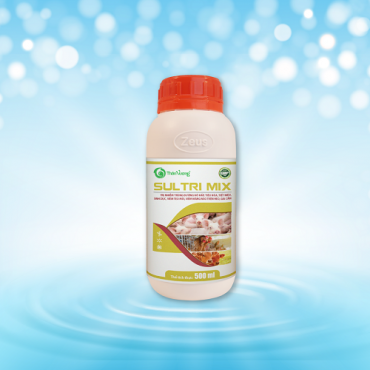
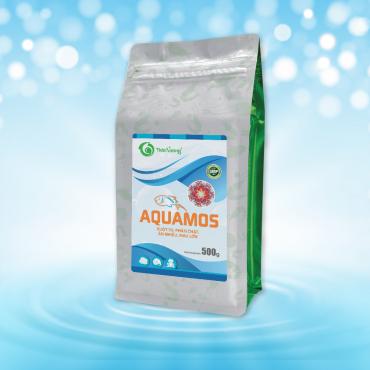
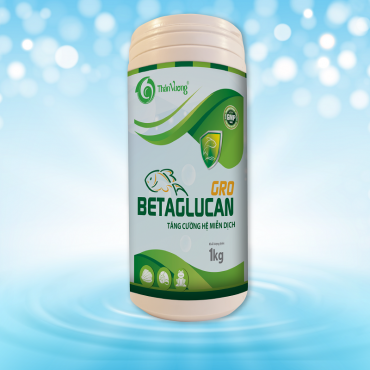
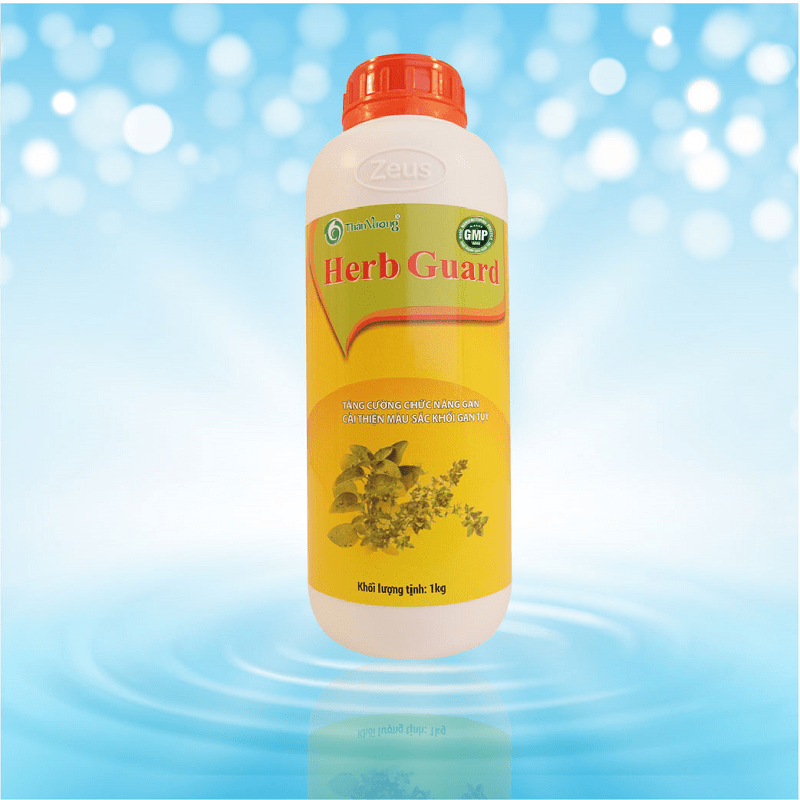
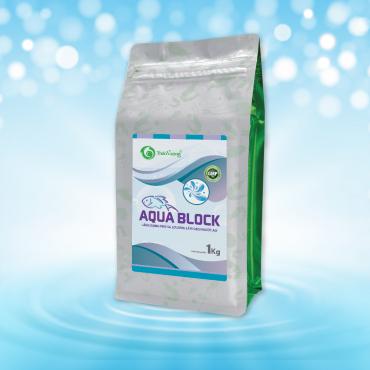
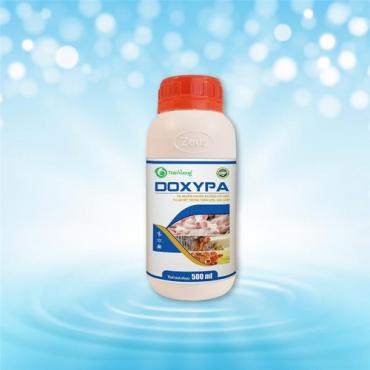
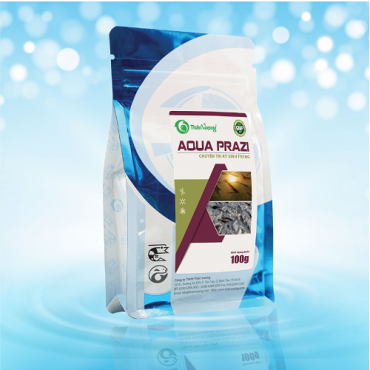
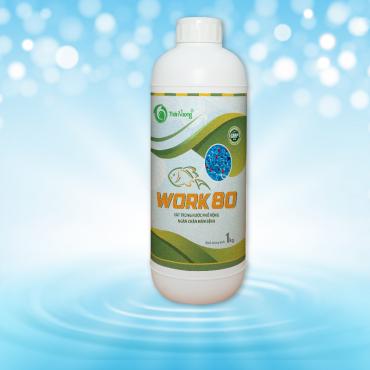
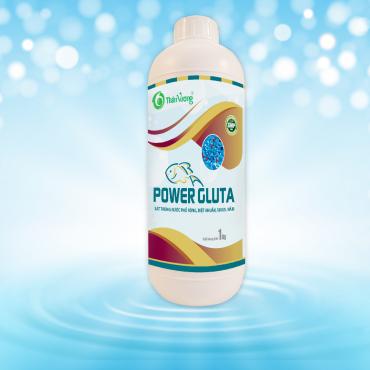
Scaled fish (tilapia, red tilapia, snakehead) need: (1) a stable pond with SOILMAX New/MAX 4000 probiotics and YUCCA C for toxic gas; (2) immunity and liver support with AQUAMOS, BETAGLUCAN GRO, HERB GUARD; (3) hemorrhage treatment — Streptococcus (exophthalmia, spiral swimming) or Aeromonas (hemorrhage, ulcers) with OXYTETRA, FLOR-MAX, SULTRI AQUA by agent; parasites with AQUA PRAZI; disinfect with WORK 80/POWER GLUTA. Observe withdrawal.
Quick Summary
Problems
Hot ponds, high density, foul bottom
Hemorrhage from Streptococcus/Aeromonas
Parasites, water mold
Signs
Exophthalmia, darkening, spiral swimming
Fin-base hemorrhage, ulcers, mucus loss
Flashing, white spots/mold on skin/gills
Solutions
Probiotics stabilize water + cut gas
Treat the right hemorrhage bacterium
Regular immunity + liver protection
Solutions by issue
Effective Scaled fish (tilapia, snakehead…) farming
🐟
Biology & model
Scaled fish: hardy but sensitive to heat & Streptococcus
Tilapia, red tilapia and snakehead are hardy in ponds/cages but easily break out with hemorrhagic disease in heat, high density and a waste-laden bottom.
Pond/cage culture, high density, pellet feed.
Hot season peaks hemorrhagic disease.
Minerals and vitamins firm the flesh and cut disease.
Treat the right bacterium: Streptococcus vs Aeromonas
Exophthalmia and spiral swimming usually mean Streptococcus; hemorrhage and ulcers usually mean Aeromonas. Identify the agent to pick an effective antibiotic.
International research on Scaled fish (tilapia, snakehead…) farming & disease
Click to read the full translation. Open-access papers fully translated; copyrighted papers summarized from abstract.
⭐ Notable💉
AnimalsFull text
Streptococcus vaccine
Duration of Protection and Humoral Immune Response in Nile Tilapia Vaccinated against Streptococcus agalactiae
Queiróz et al., 2024, Animals (MDPI)
Finding: A single vaccine dose protected tilapia against S. agalactiae for up to 300 days, with relative survival ≥67% and a 94% peak on day 150.
Different angle: One dose can cover most of a 6–10 month tilapia crop against streptococcosis, but waning antibody after 180 days means baseline immunity support remains essential.
Background & results
Streptococcosis (S. agalactiae) — pop-eye, erratic swimming, hemorrhage — is a leading tilapia threat. 250 juveniles were monitored over 300 days; vaccinated fish were challenged with strain SA583-19. RPS: 71% (d15), 93% (d30), 94% (d150 peak), 70% (d180), 86% (d210), 67% (d300); unvaccinated mortality 65–90% vs under 35%. IgM peaked at d30 and stayed significant to d180. One dose protects ~10 months — enough for a long crop.
Probiotic Bacillus spp. from Nile Tilapia Gut and Recombinant Probiotic Expressing CC Chemokine: Innate Immune Responses in Nile Tilapia
Nakharuthai et al., 2023, Animals (MDPI)
Finding: Bacillus subtilis strain B29 (tilapia gut) inhibited Aeromonas hydrophila, S. agalactiae and S. iniae, raising phagocytic activity to 31.4% vs 19.8% control.
Different angle: Bacillus probiotics suppress both Aeromonas and Streptococcus while activating innate immunity, enabling antibiotic-free prevention.
Background & results
Facing antibiotic resistance, native Bacillus from tilapia gut was screened. From 100 isolates, 13 Bacillus were identified; strain B29 inhibited all three pathogens (A. hydrophila, S. agalactiae, S. iniae). Phagocytic activity: control 19.80%, wild-type 31.40%, recombinant 41.21%; lysozyme rose at days 15/30. Even wild-type B29 strongly raised immunity and suppressed both Aeromonas and Streptococcus.
Source: Nakharuthai et al., 2023, Animals (MDPI)View original →
💪
Fish & Shellfish Immunol.Abstract
Beta-glucan vs Streptococcus
Dietary β-glucan (MacroGard) improves innate immune responses and disease resistance in Nile tilapia regardless of the administration period
Koch et al., 2021, Fish & Shellfish Immunology
Finding: 0.1% yeast beta-glucan raised innate immunity and resistance to S. iniae; controls survived 60% vs 80% in beta-glucan groups, with no mortality at 45 days.
Different angle: Yeast beta-glucan is a feed immunostimulant building baseline resistance to streptococcosis, complementing vaccines as antibody wanes.
Translated from the abstract — full paper restricted by the publisher on the original page.
(Translated from the abstract — full text on the original page)
The study tested whether feeding duration of 0.1% yeast beta-glucan (MacroGard) affects immunity in Nile tilapia (0, 15, 30, 45 days). Regardless of duration, beta-glucan raised plasma/liver/gut lysozyme and respiratory burst, improving resistance to S. iniae (persisting 10 days post-feeding). Controls survived 60% vs ~80% (15/30-day groups), with no mortality at 45 days. Benefit is independent of when feeding starts.
Source: Koch et al., 2021, Fish & Shellfish ImmunologyView original →
🛡️
Fish & Shellfish Immunol.Abstract
Snakehead vs Aeromonas
Effect of dietary prebiotics and probiotics on snakehead (Channa striata) health and disease resistance against Aeromonas hydrophila
Munir et al., 2018, Fish & Shellfish Immunology
Finding: In snakehead (Channa striata), dietary probiotics/prebiotics improved blood parameters and resistance to A. hydrophila, with Lactobacillus acidophilus best.
Different angle: Snakehead often dies from Aeromonas hemorrhage; feed probiotics/prebiotics boost blood health and resistance for antibiotic-free prevention.
Translated from the abstract — full paper restricted by the publisher on the original page.
(Translated from the abstract — full text on the original page)
Dietary prebiotics and probiotics were tested in snakehead (Channa striata) against A. hydrophila: 16 weeks supplemented then 8 weeks unsupplemented. Probiotics (S. cerevisiae, L. acidophilus) and prebiotics (beta-glucan, GOS, MOS) significantly improved RBC, WBC, PCV, hemoglobin and serum protein; resistance was highest with L. acidophilus, persisting 8 weeks post-feeding. A basis for proactive, antibiotic-reduced prevention.
Source: Munir et al., 2018, Fish & Shellfish ImmunologyView original →
Frequently Asked Questions
How to treat exophthalmia in tilapia/red tilapia?
Exophthalmia and spiral swimming usually mean Streptococcus — use OXYTETRA or SULTRI AQUA per dose, with water disinfection (WORK 80) and liver protection (HERB GUARD). Reduce density, boost oxygen, ease heat stress.
Which medicine for hemorrhage and ulcers on scaled fish?
Hemorrhage and ulcers usually mean Aeromonas — use FLOR-MAX or OXYTETRA, disinfect with WORK 80 / POWER GLUTA, then re-seed probiotics and boost immunity. Observe withdrawal.
Why does hemorrhagic disease peak in hot season?
Heat destabilizes algae, drops night oxygen, raises toxic gas and stresses fish — favorable for Streptococcus/Aeromonas. Stabilize with probiotics, boost oxygen and raise immunity before the peak.
How to treat parasites on scaled fish?
Trichodina, flukes, fish lice → use AQUA PRAZI with WORK COP Plus or POWER GLUTA, then re-seed probiotics and add immunity support.
Need Scaled fish (tilapia, snakehead…) farming advice?
Than Vuong technical team — free protocol consultation for your pond/cage, 24h response.