All fish speciesGolden pompano — Marine fish

Golden pompano: gill parasites, Vibrio, immunity

Golden pompano in cages/marine ponds grows fast but easily catches gill parasites (flukes, marine white spot) and Vibrio at high density and foul water. Solution: clean environment + immunity + proper parasite/bacteria control.

Marine environmentGill parasites & VibrioMarine immunity

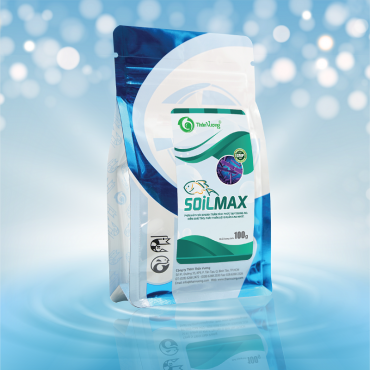
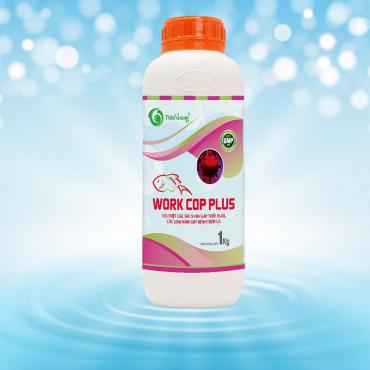
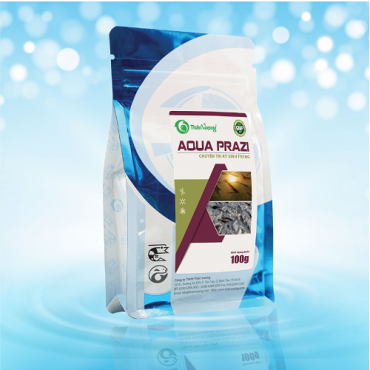
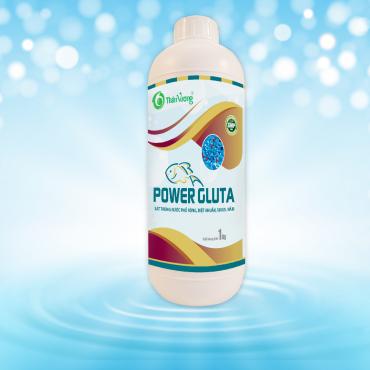
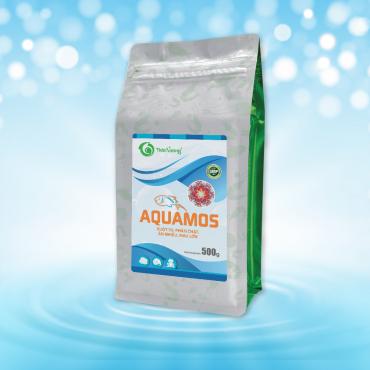
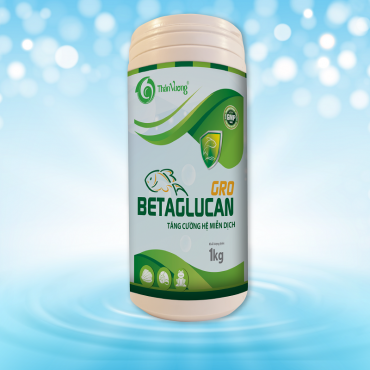
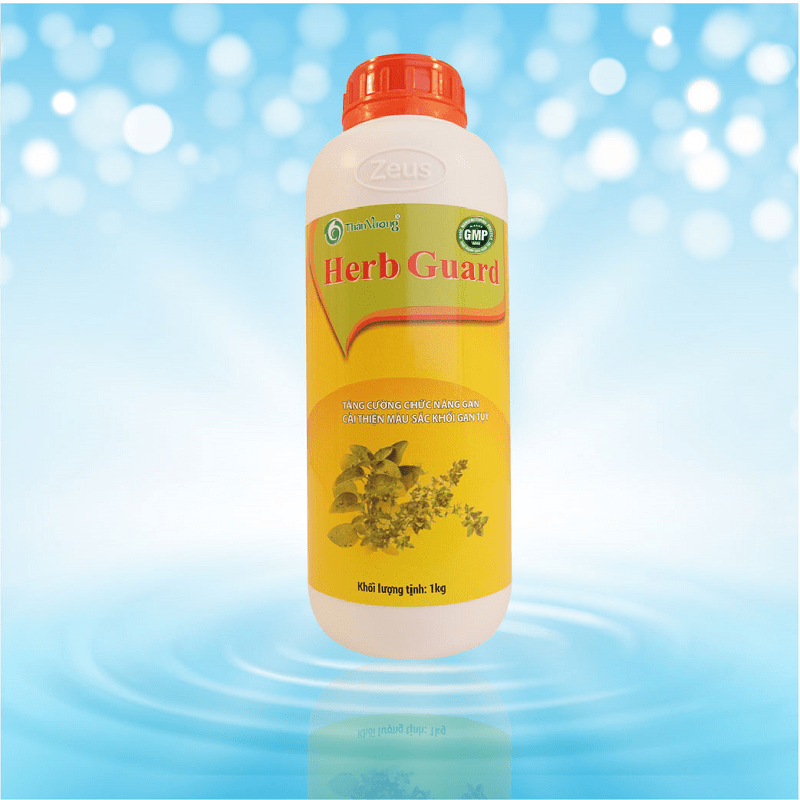
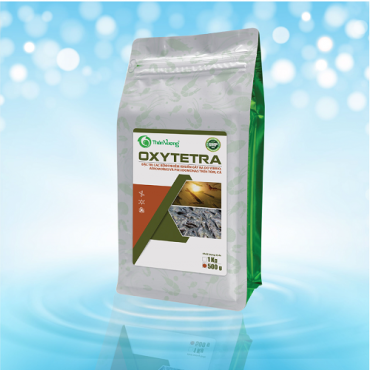
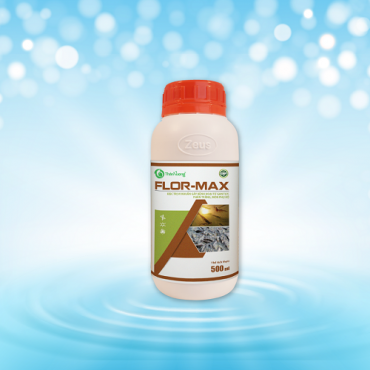
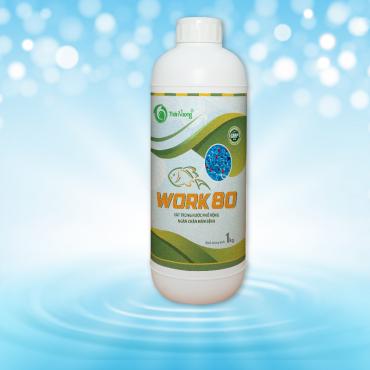
Golden pompano needs clean seawater, good oxygen and sensible density. Use SOILMAX/MAX 4000 for the bottom; boost immunity with AQUAMOS + BETAGLUCAN GRO + vitamin C; protect the liver with HERB GUARD. Gill parasites (Benedenia flukes, marine white spot) → freshwater bath + WORK COP Plus / AQUA PRAZI; Vibrio → OXYTETRA / FLOR-MAX; disinfect with WORK 80 / POWER GLUTA.

Quick Summary

Problems

  • High cage density, foul water/bottom
  • Gill parasites (flukes, marine white spot)
  • Vibrio, ulcers, fin erosion

Signs

  • Flashing, gaping gills, surface swimming
  • White spots/mucus on gills, rapid breathing
  • Off-feed, ulcers, scattered mortality

Solutions

  • Bottom probiotics + keep current/oxygen
  • Bath/disinfect for gill parasites
  • Immunity + treat Vibrio with the right drug
Solutions by issue

Effective Golden pompano farming

🐠
Biology & model

Golden pompano: fast growth, dense cage culture

Golden pompano is a fast-growing marine omnivore raised at fairly high density in cages/marine ponds. High density demands tight environment and parasite control.

  • Fast growth, needs protein, vitamins and minerals.
  • Dense cages — parasites spread fast.
  • Good current and oxygen keep fish healthy.
Salinity20–33‰
🌊
Marine environment

Clean cage bottom, good current & oxygen

Leftover feed under the cage breeds toxic gas and pathogens. Bottom probiotics, net cleaning and good current keep pompano healthy.

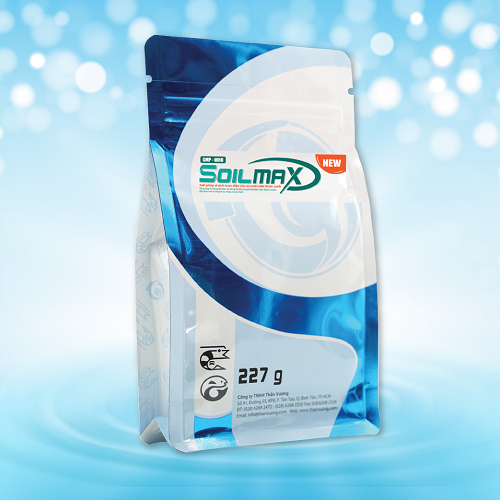
  • SOILMAX + MAX 4000 treat the culture-area bottom.
  • Clean nets, remove leftover feed.
  • Ensure current and dissolved oxygen.
🪱
Gill parasites

Gill parasites — treat early to prevent suffocation

Benedenia gill flukes and marine white spot on the gills cause gaping, rapid breathing and off-feed. Treat early to avoid secondary infection and suffocation.

  • Freshwater bath 5–10 min drops parasites.
  • WORK COP Plus disinfection; AQUA PRAZI for flukes.
  • After treatment, boost immunity and protect the liver.
🛡️
Immunity & Vibrio

Boost immunity — control marine Vibrio

High density and stress make pompano prone to Vibrio. Boost immunity, protect the liver and treat bacteria with the right drug to save the stock.

  • AQUAMOS + BETAGLUCAN GRO + vitamin C regularly.
  • HERB GUARD protects the liver through the crop.
  • Vibrio → OXYTETRA / FLOR-MAX; disinfect with WORK 80.
Protocol

5-step farming & treatment protocol

1
Clean cage/bottom

Clean nets regularly, remove leftover feed; SOILMAX + MAX 4000 for the bottom.

2
Boost immunity

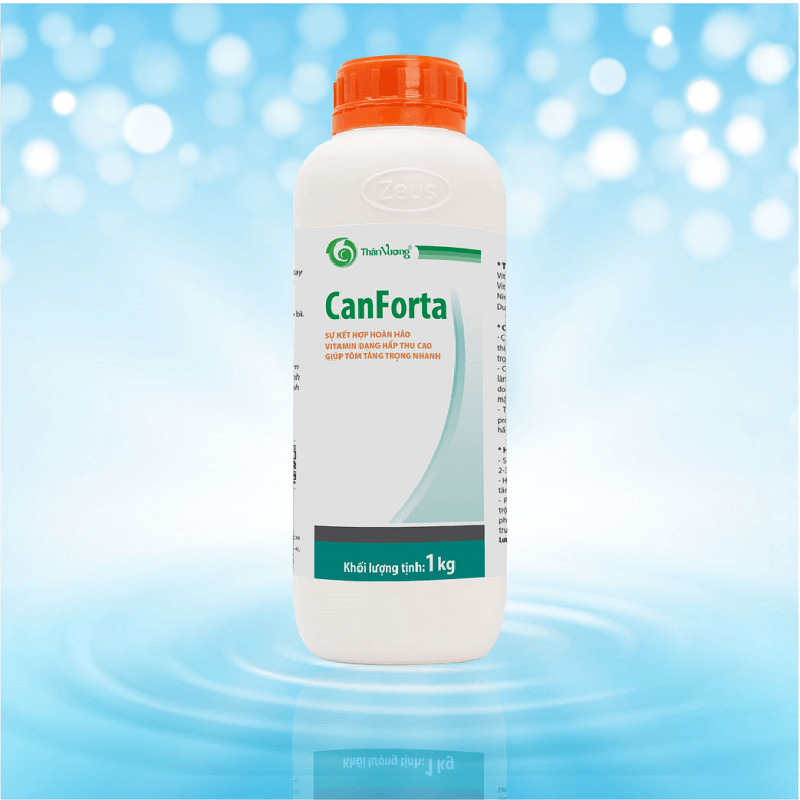
AQUAMOS + BETAGLUCAN GRO + CANFORTA (vitamin C); HERB GUARD for the liver.

3
Gill parasites

Freshwater bath 5–10 min or WORK COP Plus; AQUA PRAZI for gill flukes.

4
Bacteria / Vibrio

OXYTETRA or FLOR-MAX by agent; disinfect with WORK 80 / POWER GLUTA. Observe withdrawal.

5
Maintain

Monitor gills regularly, keep current/oxygen and immunity to avoid reinfection.

Product toolkit

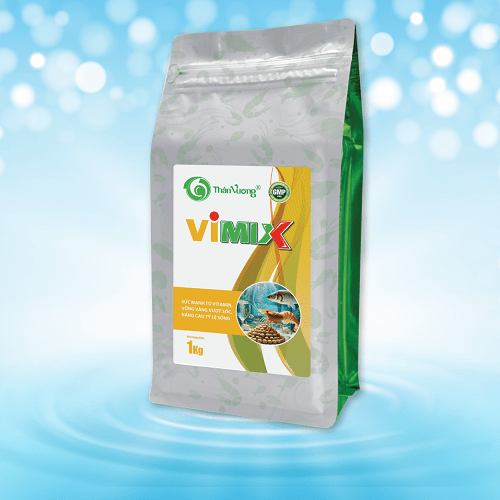
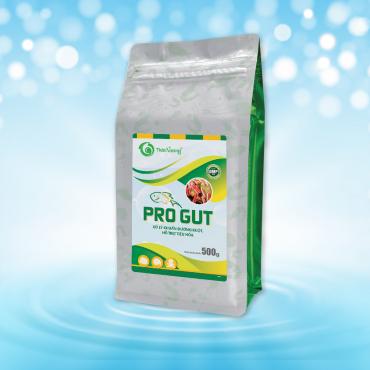
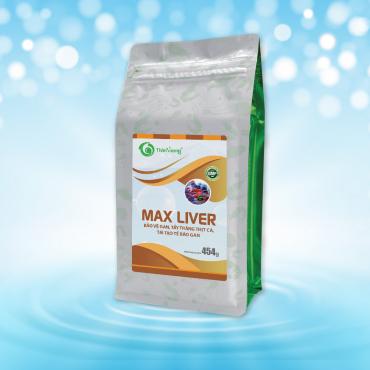
Than Vuong products for Golden pompano

Scientific perspective

International research on Golden pompano farming & disease

Click to read the full translation. Open-access papers fully translated; copyrighted papers summarized from abstract.

Notable
PeerJFull text
Vibrio harveyi body-rot

Complete genome and comparative genomics of the golden pompano pathogen Vibrio harveyi strain QT520

Tu et al., 2017, PeerJ

Finding: V. harveyi QT520 from "body rot" pompano has a 6,070,846 bp genome with many virulence factors, high virulence (LD50 = 2.5×10⁵/fish) and multidrug resistance.

Different angle: Because the pathogen is highly virulent and multidrug-resistant, prevention via water management, Vibrio-suppressing probiotics and immune support beats antibiotics.

Source: Tu et al., 2017, PeerJView original →
Notable
MicroorganismsFull text
White-spot drives Vibrio

Risk of Secondary Bacterial Infections from Skin and Gill Microbiota Changes in Trachinotus ovatus During a Cryptocaryon irritans Infection

Liang et al., 2025, Microorganisms (MDPI)

Finding: During Cryptocaryon irritans infection, pompano skin microbiota is disrupted, beneficial bacteria decline, Vibrio rises, and opportunistic pathogens surge from 7.66% to 53.97%.

Different angle: Parasites open the door to Vibrio co-infection; early parasite control plus probiotic-based microbiota/water management is essential.

Source: Liang et al., 2025, Microorganisms (MDPI)View original →
AntioxidantsFull text
Microalga protects liver

Effects of Barranca yajiagengensis Powder in the Diet of Trachinotus ovatus on Growth, Antioxidant Capacity, Immunity and Liver/Intestine Morphology

Zhao et al., 2022, Antioxidants (MDPI)

Finding: 5% lutein-rich Barranca yajiagengensis powder boosted antioxidant and immune capacity and protected liver structure, without changing growth.

Different angle: Natural antioxidant additives protect the liver and lift immunity under intensive farming, supporting liver-protection nutrition alongside probiotics.

Source: Zhao et al., 2022, Antioxidants (MDPI)View original →
MicroorganismsFull text
Eucalyptus oil boosts resistance

Effects of Eucalyptus Essential Oil on Growth, Immunity, Disease Resistance, Intestinal Morphology and Gut Microbiota in Trachinotus ovatus

Lin et al., 2025, Microorganisms (MDPI)

Finding: Moderate eucalyptus oil (5–10 mL/kg) improved growth, gut and liver immunity, lowered bacterial load after S. iniae challenge and modulated gut microbiota; a high dose (15 mL/kg) inhibited growth.

Different angle: Phytogenic oils are an antibiotic alternative — but dose matters; combine with probiotics for gut/water health.

Source: Lin et al., 2025, Microorganisms (MDPI)View original →

Frequently Asked Questions

Why is golden pompano gaping and breathing fast?

Usually gill parasites (Benedenia flukes, marine white spot) or foul, low-oxygen cage water. Freshwater bath 5–10 min and WORK COP Plus, plus good current and oxygen.

Salinity for golden pompano?

Golden pompano tolerates a wide salinity (about 20–33‰), needs good oxygen and current. Avoid sudden salinity swings after heavy rain.

How to treat Vibrio in pompano?

Confirm the infection then use OXYTETRA or FLOR-MAX per dose, disinfect with WORK 80 / POWER GLUTA, then boost immunity (AQUAMOS, BETAGLUCAN GRO) and protect the liver. Observe withdrawal.

Which products for cage-farmed pompano/marine fish?

SOILMAX/MAX 4000 (environment), AQUAMOS + BETAGLUCAN GRO (immunity), HERB GUARD (liver), WORK COP Plus/WORK 80/POWER GLUTA (parasites, disinfection) and OXYTETRA/FLOR-MAX for bacterial infection.

Need Golden pompano farming advice?

Than Vuong technical team — free protocol consultation for your pond/cage, 24h response.

Technical Advisor

Aquaculture Q&A

Hello there 👋

Describe your pond issue or pick a question below.