Cobia grows very fast on high-protein feed, heavily loading the liver; sea-cage culture invites gill flukes (Neobenedenia) and Vibrio. Solution: liver protection + nutrition + parasite/bacteria control + a clean cage environment.
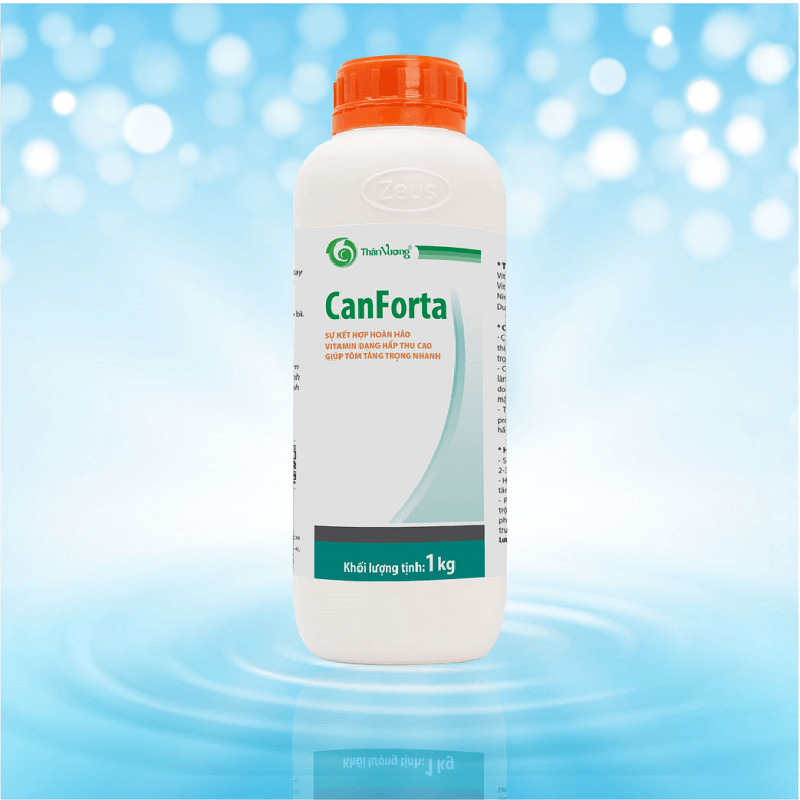
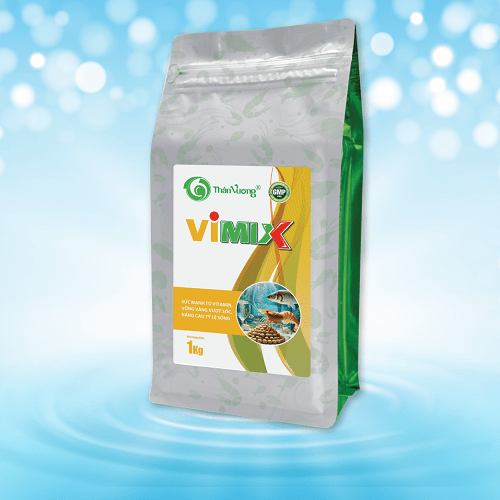
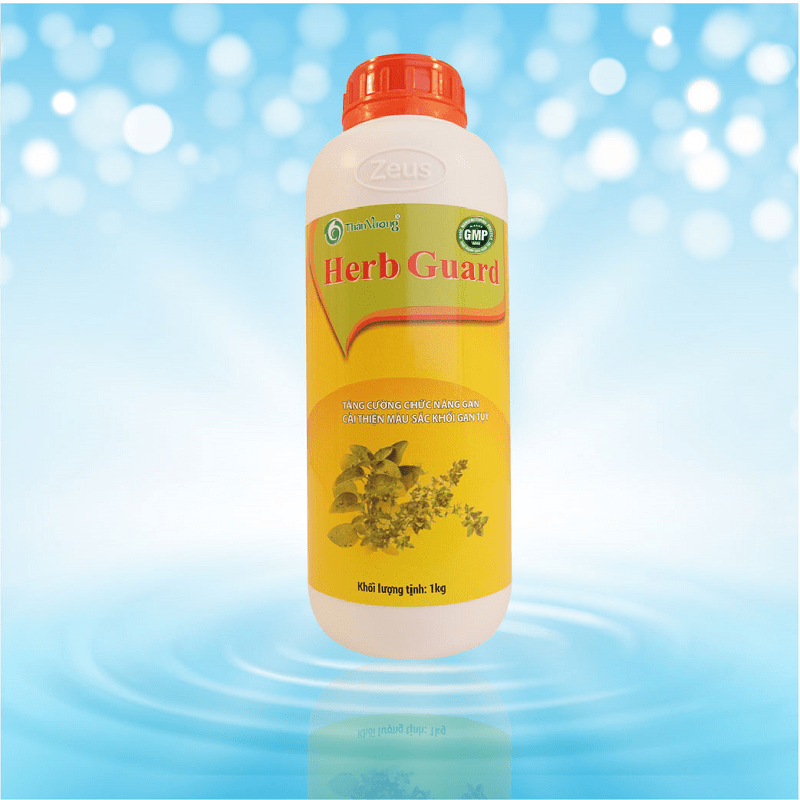
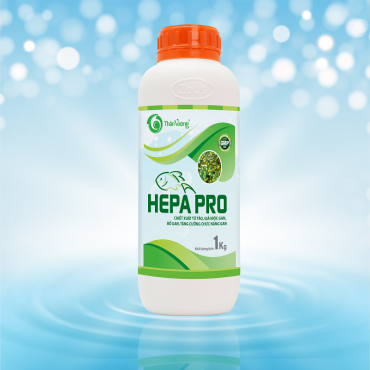
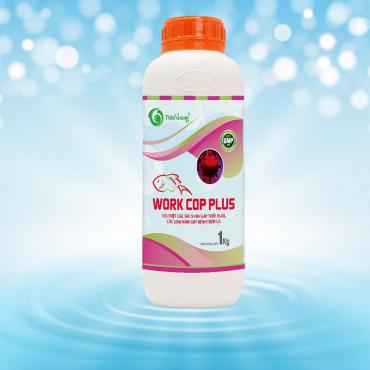
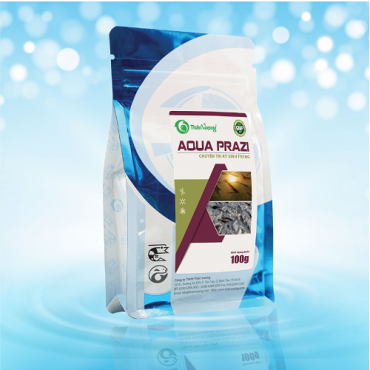
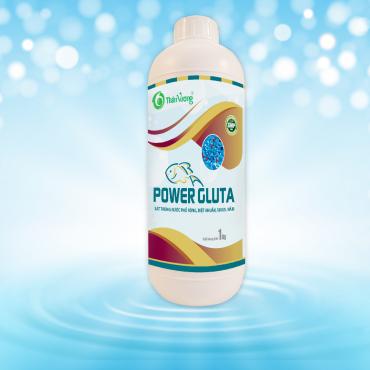
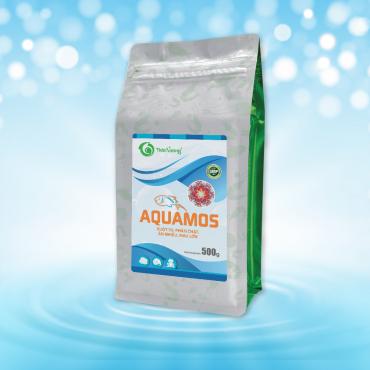
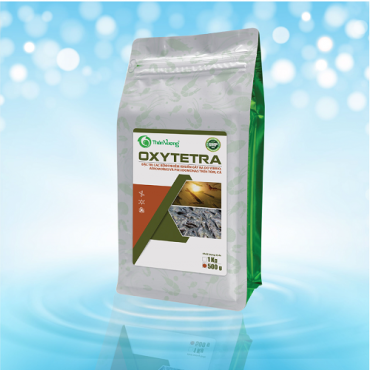
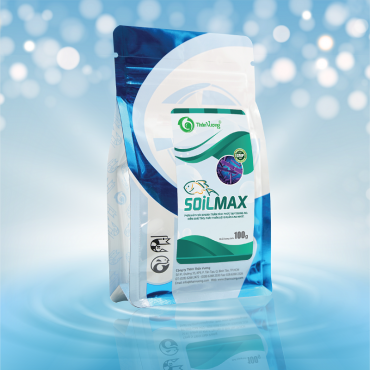
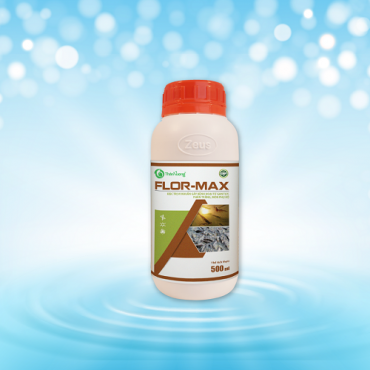
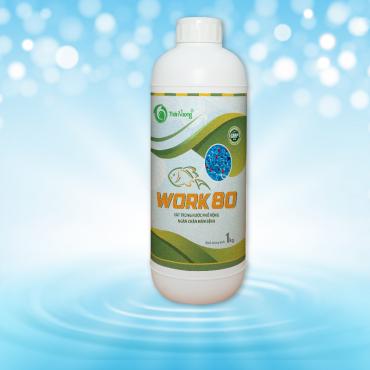
Cobia grows fast on high-protein feed that overloads the liver — protect it with HERB GUARD / MAX LIVER / HEPA PRO and add vitamins and minerals. Keep the cage clean with SOILMAX / MAX 4000. Gill flukes (Neobenedenia) cause flashing and gill erosion → freshwater bath + WORK COP Plus / AQUA PRAZI; Vibrio → OXYTETRA / FLOR-MAX; disinfect with WORK 80 / POWER GLUTA.
Quick Summary
Problems
High protein, liver overload
Neobenedenia flukes on gills/skin
Vibrio, ulcers in foul water
Signs
Slow growth, pale/friable liver
Flashing, gill erosion, skin spots
Off-feed, ulcers, scattered mortality
Solutions
Liver protection + complete nutrition
Bath/disinfect for gill flukes
Immunity + treat Vibrio with the right drug
Solutions by issue
Effective Cobia farming
🐟
Biology & model
Cobia: very fast growth, needs protein and a healthy liver
Cobia is among the fastest-growing marine fish on high-protein feed. High metabolism heavily loads the liver — liver protection is key for fish to grow without decline.
High protein and strong metabolism overload the cobia liver, turning it pale and friable. Regular liver protection improves absorption, growth and disease resistance.
HERB GUARD + MAX LIVER protect and restore the liver.
HEPA PRO boosts liver function and detox.
Add digestive enzymes and vitamins to ease liver load.
Neobenedenia is the most dangerous parasite on caged cobia, attaching to gills and skin causing flashing, gill erosion and off-feed. Freshwater bath and disinfection are effective.
Freshwater bath 5–10 min drops the flukes.
WORK COP Plus disinfection; AQUA PRAZI for flukes.
Click to read the full translation. Open-access papers fully translated; copyrighted papers summarized from abstract.
⭐ Notable🪱
Rev. Bras. Parasitol. Vet.Full text
Neobenedenia outbreak
Outbreak of mortality among cage-reared cobia (Rachycentron canadum) associated with parasitism
Moreira et al., 2013, Rev. Bras. Parasitol. Vet.
Finding: Caged cobia juveniles died 100% from sequential Neobenedenia melleni (100%, intensity 42.0±8.7) then gill dinoflagellate Amyloodinium ocellatum (100%, 46.8±3.4), amplified by a 3.5°C temperature drop.
Different angle: Monogeneans open the door to secondary parasites/bacteria, especially when water cools — routine monitoring, freshwater baths and immune support are essential.
Background & results
Cobia (Rachycentron canadum) grows fast but parasites — especially Neobenedenia melleni — limit it. 2,500 caged juveniles (0.4 kg/m³) were monitored. In May, skin N. melleni reached 100% prevalence (intensity 42.0±8.7) at 24°C; by September water cooled 3.5°C to 20.8°C, N. melleni fell to 60% but gill Amyloodinium ocellatum hit 100% (46.8±3.4). Fifteen days later all 2,500 died. Cooling lowered resistance; sequential infection caused synergistic lethality — temperature monitoring and prophylaxis are critical.
Source: Moreira et al., 2013, Rev. Bras. Parasitol. Vet.View original →
💪
Frontiers in ImmunologyFull text
Seaweed extract vs Photobacterium
Sarcodia suiae Water Extract Promotes Th1-Type Cytokines and Delays Mortality in Cobia During Photobacterium damselae subsp. damselae Infection
Lee et al., 2022, Frontiers in Immunology
Finding: Pre-injecting cobia with Sarcodia suiae extract before Photobacterium damselae challenge upregulated pro-inflammatory and Th1 cytokines and delayed mortality by 24–36 h at 20 µg/g.
Different angle: Photobacterium damselae is a deadly cobia pathogen; natural immunostimulants raise resistance and buy time without antibiotics.
Background & results
Photobacterium damselae subsp. damselae (Phdd) is a lethal cobia pathogen. Red-algae Sarcodia suiae extract (SSWE) was tested as an immunostimulant. SSWE upregulated IL-1β/IL-6/IL-8/TNF-α/IL-12/IL-10 in vitro; at 20 µg/g it raised head-kidney IL-8/IL-12. During Phdd challenge (LD50 4.5×10⁶ CFU/g), SSWE fish showed higher IL-12/IFN-γ (boosted Th1) and mortality onset delayed 24–36 h. A potential immunostimulant/vaccine adjuvant.
Source: Lee et al., 2022, Frontiers in ImmunologyView original →
⭐ Notable🦠
Scientific ReportsFull text
Host probiotics vs Vibrio
Effects of autochthonous strains mixture on gut microbiota and metabolic profile in cobia (Rachycentron canadum)
Amenyogbe et al., 2022, Scientific Reports
Finding: A mix of three host-derived strains improved cobia growth, digestive enzymes and immunity, and raised survival after Vibrio harveyi challenge to 95.83% vs 20.83% control.
Different angle: Strong evidence for host-derived probiotics over antibiotics in cobia: better gut microbiota, fewer pathogens, higher enzymes and Vibrio resistance.
Background & results
120 cobia juveniles (~184 g) were fed 10 weeks a diet with 1×10¹² CFU/mL of three host-derived strains (Bacillus sp. RCS1, Pantoea agglomerans RCS2, Bacillus cereus RCS3), then challenged with Vibrio harveyi. Supplemented fish showed better weight gain, lower FCR, higher blood/serum proteins and digestive enzymes, upregulated IgM/CSF-1R/MHC-1, and survival of 95.83% vs 20.83% (control), with mortality delayed to 192 h. Gut pathogens fell while beneficial genera rose.
Source: Amenyogbe et al., 2022, Scientific ReportsView original →
🟡
AquacultureAbstract
Protein replacement & liver
Replacement of fish meal in cobia (Rachycentron canadum) diets using an organically certified protein
Lunger, Craig & McLean, 2006, Aquaculture
Finding: Up to ~25% of fish-meal protein can be replaced with organic yeast protein in cobia diets without losing growth; higher replacement (>50%) reduces growth, raises FCR and markedly affects the liver.
Different angle: Cobia is a high-protein carnivore; protein source/level affects the liver and blood — evidence for liver protection in high-protein culture.
Translated from the abstract — full paper restricted by the publisher on the original page.
(Summary from the abstract — full text on the original page)
Carnivorous cobia need high-protein diets, usually relying on costly fish meal. The study replaced fish meal with a certified organic yeast protein at 0/25/50/75/100% of dietary protein in isonitrogenous diets. Up to ~25% replacement matched control growth and feed efficiency; above 50% reduced growth, raised FCR and worsened survival and liver/blood status, partly from lower palatability. At least ~25% can come from this yeast protein without performance loss; higher substitution needs blended sources. (Copyrighted — directional summary, full data table not reproduced.)
Source: Lunger, Craig & McLean, 2006, AquacultureView original →
Frequently Asked Questions
Why does cobia need special liver protection?
Cobia grows very fast on high protein, heavily loading the liver, which turns pale and friable. A weak liver slows growth and invites disease. Feed HERB GUARD + MAX LIVER + HEPA PRO regularly for a healthy liver and even growth.
How to treat gill flukes (Neobenedenia) on cobia?
Freshwater bath 5–10 min drops the flukes, with WORK COP Plus or AQUA PRAZI. The fluke life cycle is short, so repeat by cycle and keep the cage clean to avoid reinfection.
Why is cobia growing slowly with a pale liver?
Usually liver overload from high protein, or parasites/bacteria reducing feeding. Protect the liver (HERB GUARD, MAX LIVER, HEPA PRO), check for parasites and add digestive enzymes and vitamins for better absorption.
Salinity and environment for cobia?
Cobia is sea-cage farmed at ~25–33‰, needs good current and oxygen and a clean cage bottom. Net cleaning and bottom probiotics (SOILMAX, MAX 4000) reduce pathogens and parasites.
Need Cobia farming advice?
Than Vuong technical team — free protocol consultation for your pond/cage, 24h response.