
In salmon farming, health begins at the body surface. Gills, skin, and gut form a mucosal barrier — a layer constantly exposed to environmental stressors. When these barriers are compromised, costs can escalate rapidly. Fluctuations in water quality, handling stress, and exposure to potential pathogens all exert pressure on these sensitive tissues, often leading to damage and inflammation, reduced growth performance, and an increased risk of disease outbreaks.
As the aquaculture industry increasingly develops animal health protection strategies, functional nutrition has become a key factor in enhancing resilience. Among the widely applied and continuously developing solutions are ingredients derived from yeast cell wall (YCW), which have been shown to help fish maintain healthier mucosal barriers and overall good health.
Two recent independent research trials by Lallemand Animal Nutrition evaluated the impact of a new YCW product on salmon facing two very different challenges: Amoebic Gill Disease (AGD) and tenacibaculosis.
Responding to Amoebic Gill Disease (AGD)
Amoebic Gill Disease (AGD), caused by Neoparamoeba perurans, is one of the most persistent threats to salmon health worldwide. This parasite colonizes gill tissue, causing lesions that impair oxygen uptake and affect the fish's overall performance. Current interventions — freshwater bathing or hydrogen peroxide bathing — are labor-intensive, cause biological stress, and pose practical challenges for farmers.
To test whether nutritional intervention could reduce the severity of AGD, researchers in Scotland conducted a 10-week trial on Atlantic salmon (200–250 g) at 13°C and 33 ppt salinity. Fish were fed either a control diet or a YCW-supplemented diet in 4 replicate tanks per treatment. After 5 weeks of rearing under optimal conditions, fish were challenged with N. perurans, followed by a freshwater treatment, and then a second challenge — a protocol designed to mimic the farming cycle and stress factors under real-world conditions.
The study utilized a gill scoring method adapted from Gjerde et al. (2019), evaluating each gill arch to more fully reflect lesion development and disease severity.
The results were very promising. Salmon fed the functional diet grew faster and converted feed more efficiently — with a 20% improvement in growth rate (Figure 1A) and a 32% improvement in feed conversion ratio (Figure 1B). More notably, there was a significant difference in gill condition: the YCW-fed group had markedly fewer severe lesions, with six times more fish showing only mild signs of infection (Figure 1C).
These findings suggest that nutritional support targeting mucosal barrier function can help improve fish resilience to external stressors and reduce the severity of AGD. This enables fish to maintain growth performance even when facing disease challenges.
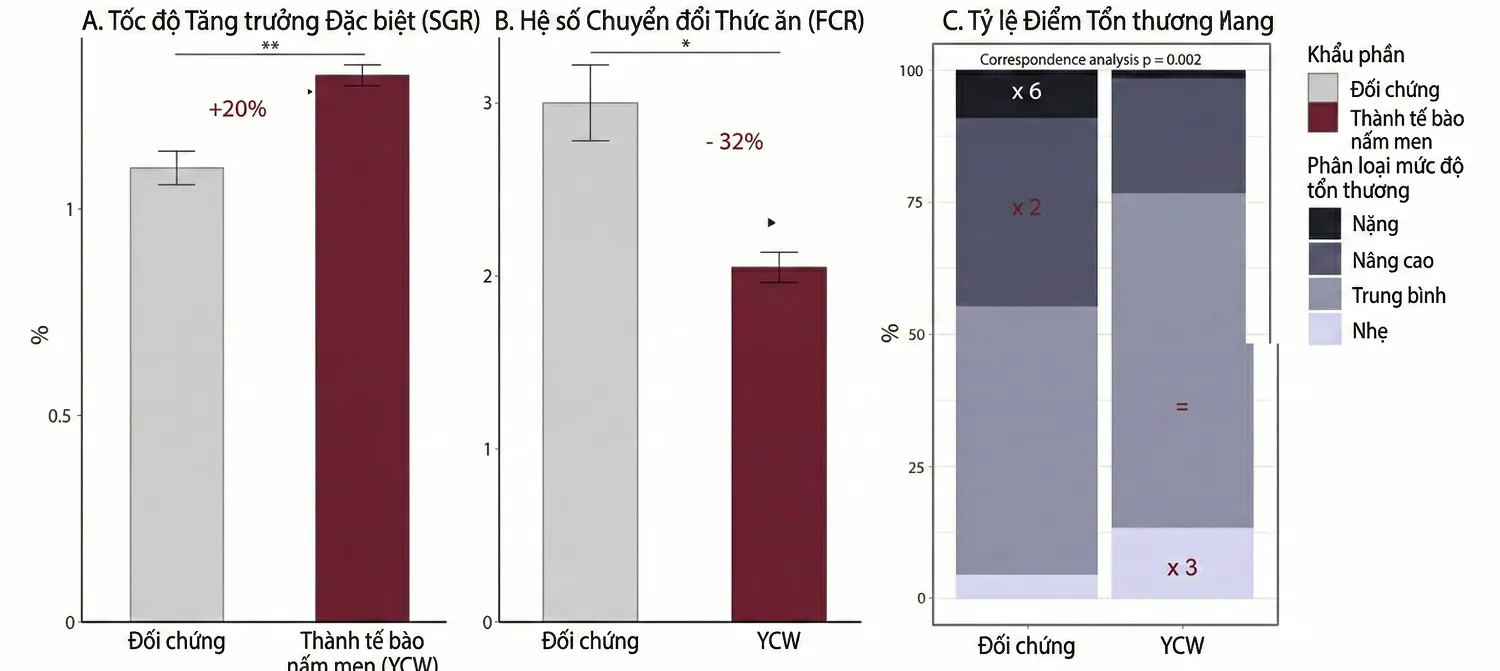
Figure 1. A) Specific Growth Rate (SGR), B) Feed Conversion Ratio (FCR), and
C) Proportion of gill lesion scores at the end of the trial
The Tenacibaculosis Challenge in Canada
A second study in Canada focused on Tenacibaculum maritimum, a filamentous bacterium known to cause severe skin and fin lesions in marine aquaculture species. This disease, known as tenacibaculosis, is a significant health challenge in aquaculture and requires proactive strategies to mitigate its impact on welfare and production.
A parallel 15-week trial in Canada evaluated whether similar benefits to mucosal health could be observed when facing a bacterial pathogen. Juvenile Atlantic salmon (initial weight 40 g) at 12°C were fed either a control diet or a YCW-supplemented diet, with 4 replicates throughout the trial. Fish were reared under optimal conditions for the first 5 weeks, then challenged with T. maritimum via immersion.
The trial continued for 9 weeks post-challenge, during which survival rates and the development of pathological lesions on external mucosal surfaces were regularly monitored.
Once again, the diet made a difference. Fish fed the YCW-supplemented diet achieved a survival rate of 71%, compared to 58% in the control group (Figure 2A). The incidence of moderate to severe skin lesions decreased by approximately 30%, indicating that this ingredient helped fish maintain better mucosal barrier integrity and limit secondary damage (Figure 2B).
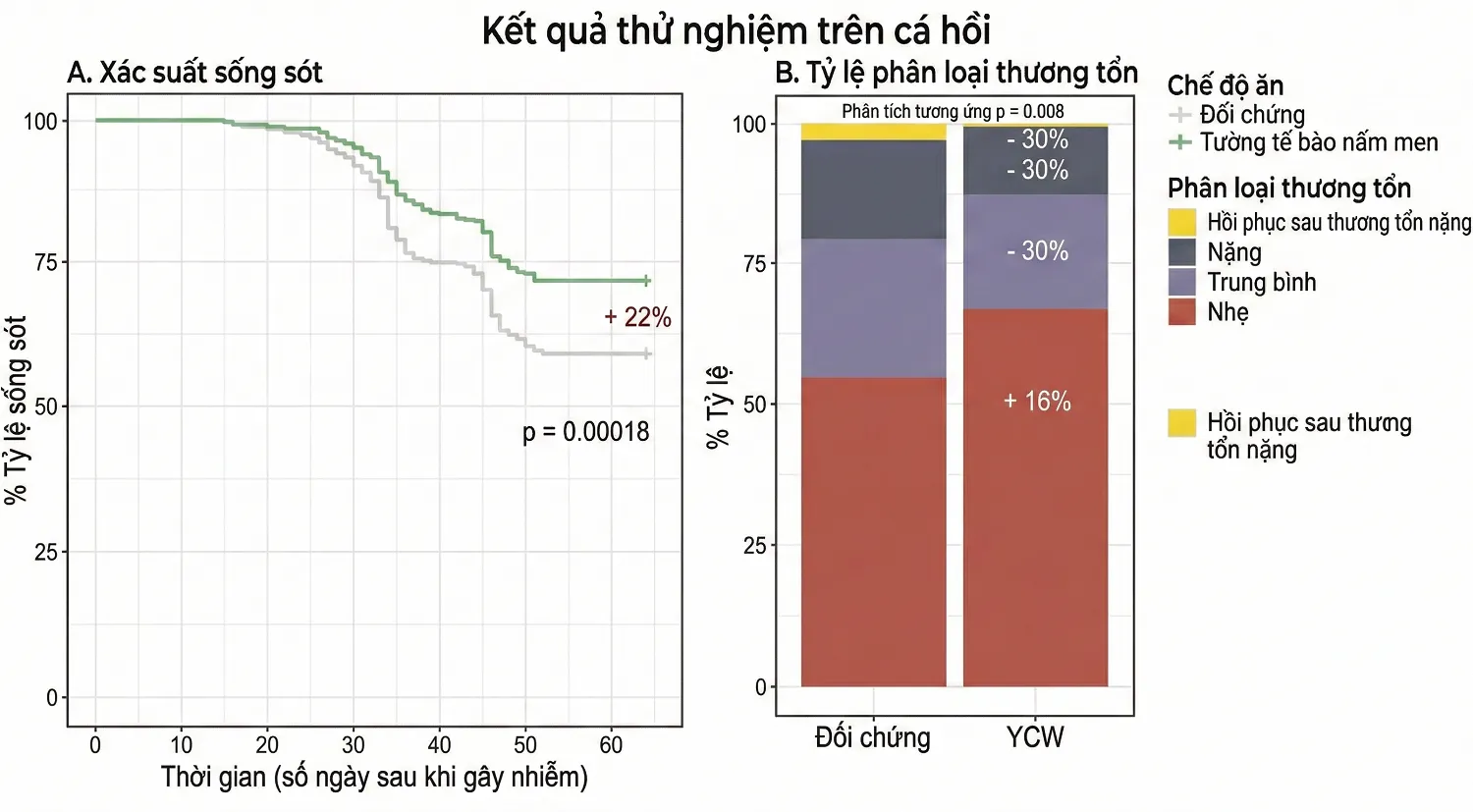
Figure 2. A) Survival rate and B) Skin lesion scores at the end of the second trial (15 weeks)
Building Resilience from Within
Overall, these studies highlight the potential of yeast-based functional nutrition in supporting animal health by maintaining the integrity of the mucosal barrier in farmed marine salmon.
Mucosal health is at the intersection of nutrition, immunity, and animal welfare. Strengthening these natural barriers through targeted nutritional strategies can not only reduce disease-related losses but also limit reliance on chemical interventions and their associated side effects.
While further research is needed to elucidate the precise biological mechanisms — how YCW compounds interact with the gut and skin immune systems and overall barrier function — the current results clearly demonstrate: Nurturing the mucosal barrier is a critical contributor to fish health and welfare (Figure 3).
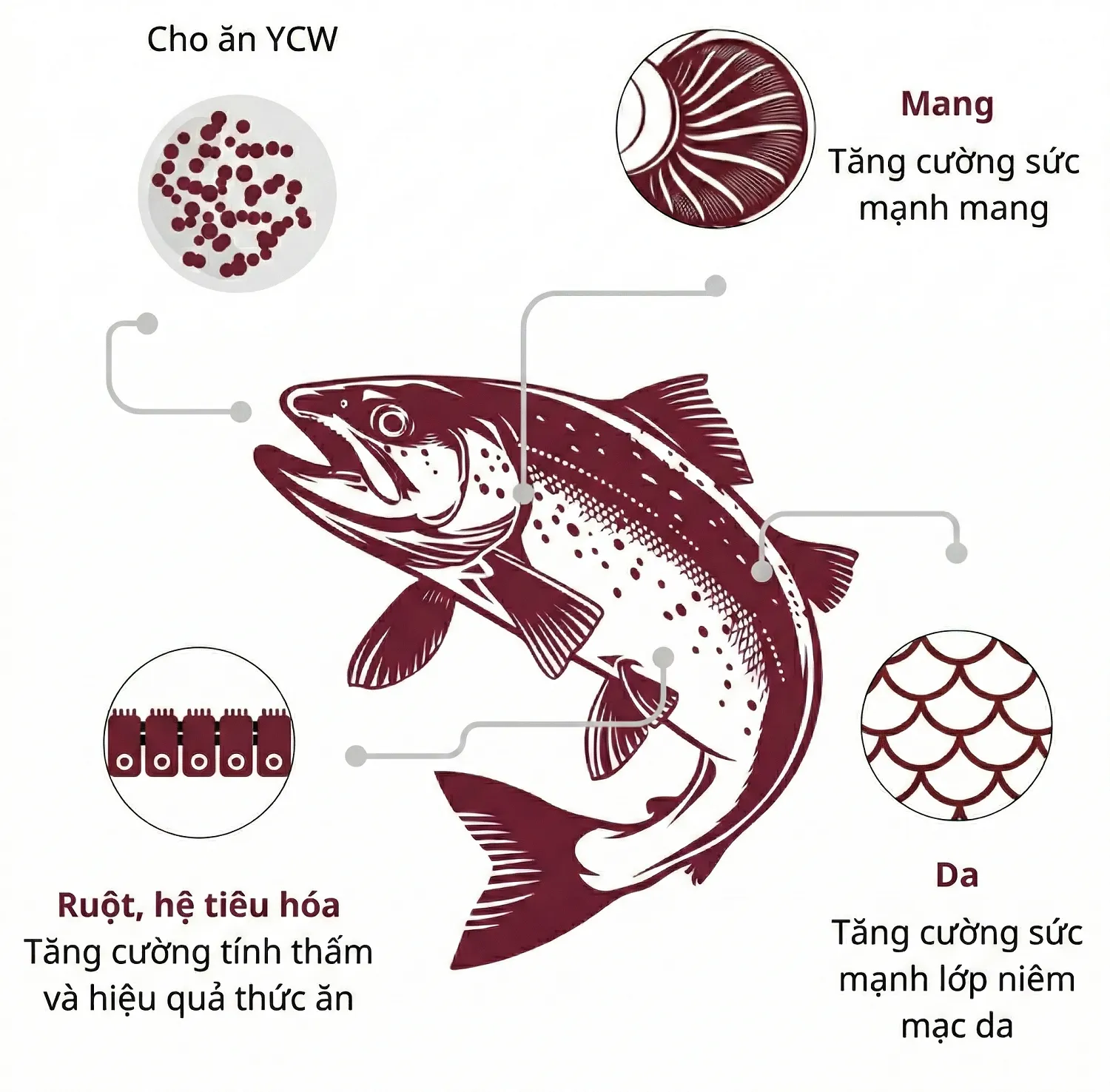
Figure 3. Salmon's First Line of Defense: Nutrition for Enhanced Mucosal Health
These trials documented the benefits of a new yeast-derived functional ingredient in reducing the severity and mortality associated with various mucosal diseases in farmed marine Atlantic salmon. This was linked to enhanced skin and gill barrier protection under optimal conditions (data not shown), alongside notable improvements in growth and feed efficiency.
These promising results indicate that this functional ingredient can enhance fish resilience to mucosal diseases in the Atlantic salmon farming industry.
Source: Lallemand Animal Nutrition
Translated by: Than Vuong Marketing Department