
Chinese scientists have identified “a new virus” suspected of being the culprit behind recent mass mortalities of shrimp in hatcheries. Glass post-larvae is a new, small RNA virus temporarily named hepatopancreatic and gastrointestinal destruction virus (HINV).
According to Ha Jian Guo of China's National Shrimp and Crab Technology Station, analysis of samples taken from hatcheries in Guangdong province revealed the presence of a newly discovered viral genome, a new type of virus. “Analysis indicates that glass post-larvae is a new, small RNA virus, temporarily named hepatopancreatic and gastrointestinal destruction virus (HINV),” Mr. Ha said in the journal Aquaculture Frontier, an internal industry publication.
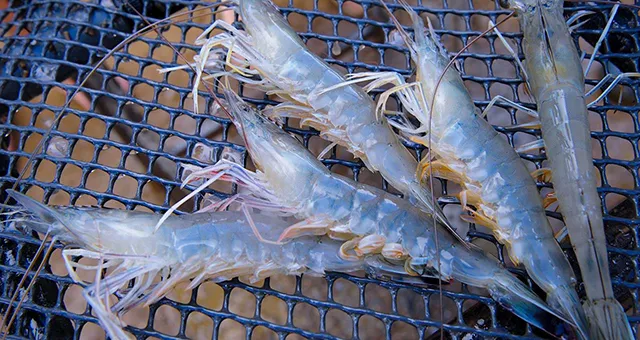
Illustration. Source IE
This discovery comes after mass mortalities of shrimp post-larvae in Chinese hatcheries. The most obvious symptom of infected post-larvae is that they become almost completely translucent, resembling glass.
HINV primarily affects the hepatopancreas, digestive tract, and shell of shrimp. Typically, in diseased shrimp, the body loses color and becomes translucent. The mortality rate (for post-larvae) on the 4th day (after symptom onset) is 100%.” However, healthy post-larvae do not always develop symptoms.
The research team confirmed that the virus caused symptoms after infecting shrimp in a laboratory setting.
“Through research, we found that HINV infection and pathogenicity are very strong in post-larvae. However, it is weak in adult shrimp. HINV does not cause rapid mortality, but it can still lead to gradual death in adult shrimp,” Mr. Ha stated. The research team has not yet determined whether HINV is transmitted through broodstock or water sources.
Although HINV has been considered “a new virus,” it may be similar to other viruses present in the environment, said Huang Jie, Director General of the Network of Aquaculture Centres in Asia-Pacific (NACA) in Bangkok, Thailand.
A representative from the hatchery production department at Zhanjiang Guilian Aquaculture Company stated that outbreaks of glass post-larvae disease also occurred in hatcheries with high biosecurity standards. This year, the phenomenon of glass post-larvae has appeared nationwide; in northern China, Guangdong, and Guangxi. This is a fairly serious problem.
Not only haunted by outbreaks of Acute Hepatopancreatic Necrosis Syndrome, or AHPNS, also known as Early Mortality Syndrome, EMS, a disease that devastated many Asian shrimp industries from 2012 to 2014, shrimp farmers now continuously face new disease outbreaks.
Source: http://contom.vn/