Introduction and Classification
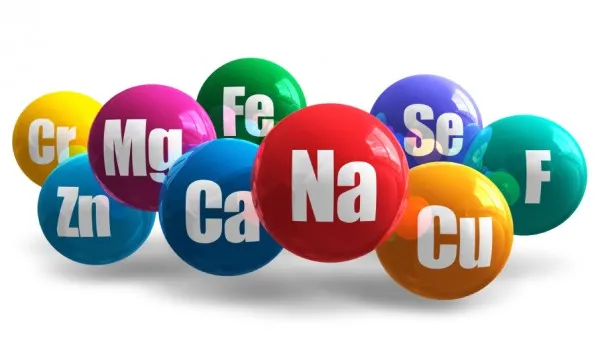
Excluding hydrogen, carbon, nitrogen, and oxygen, there are approximately 20 inorganic mineral elements considered essential for animal life, including fish and shrimp. Essential mineral components are typically classified into two main groups based on their concentration in the animal's body: macrominerals and microminerals.
|
Macrominerals |
Microminerals |
||
|
Cations |
Anions |
||
|
Calcium (Ca) |
Phosphorus (P) |
Iron (Fe) |
Fluorine (F) |
|
Magnesium (Mg) |
Chlorine (Cl) |
Zinc (Zn) |
Vanadium (V) |
|
Sodium (Na) |
Sulphur (S) |
Manganese (Mn) |
Chromium (Cr) |
|
Potassium (K) |
|
Copper (Cu) |
Molybdenum (Mo) |
|
|
Iodine (I) |
Selenium (Se) |
|
|
Cobalt (Co) |
Tin (Sn) |
||
|
Nickel (Ni) |
Silicon (Si) |
||
Underwood (1971); Reinhold (1975)
Macrominerals
- Essential component of muscle tissue and shell
- Stimulates several enzymes, nerve impulse transmission
- Combines with phospholipids to regulate cell osmosis
- Shrimp absorb it through the digestive tract, gills, and shell
- Is an essential component for shell formation, playing a central role in energy and cell metabolism
- Participates in the composition of important substances such as phospholipids, phosphoproteins, ATP, creatine phosphate, and other important enzymes
- Phosphorus can be absorbed through gills and shell, but is primarily absorbed through feed. The absorption rate of phosphorus salts depends on the animal's gastric acid. For shrimp, phosphorus salts are very difficult to absorb
- Is an essential component for shrimp shell formation, acting as an activator for several important enzymes
- Plays a role in stimulating muscles and nerves, intracellular acid-base balance, and is important in carbohydrate, protein, and lipid metabolism
- Magnesium is easily absorbed through the digestive tract, gills, and shell of shrimp.
Sodium, Potassium, and Chlorine
- Sodium, potassium, and chlorine are almost entirely present in the body's fluids and soft tissues; sodium and chlorine are found primarily in body fluids, while potassium is mainly in cells
- They serve an important function in controlling osmotic pressure and acid-base balance. They also play a crucial role in water metabolism
- Potassium, sodium, and chloride are easily absorbed through the digestive tract, skin, fins, and gills of fish and crustaceans
Sulphur
- Sulphur is an essential component of several important amino acids (methionine and cystine), vitamins (thiamine and biotin), the hormone insulin, and the shell.
- As sulphate, sulphur is an essential component of heparin, chondroitin, fibrinogen, and taurine.
- Sulphur is believed to be involved in the detoxification process of compounds in animal bodies.
- Mainly absorbed through the digestive tract
Microminerals
Iron, copper, zinc, cobalt, manganese, iodine, nickel, cadmium, selenium, chromium, etc.
- In general, microminerals play a key role in metabolism and nutrient absorption
- Are major components of important enzymes in animal bodies
- Cell protection function, combating oxidative damage
- Microminerals are mainly absorbed through the aquatic environment and the digestive tract.
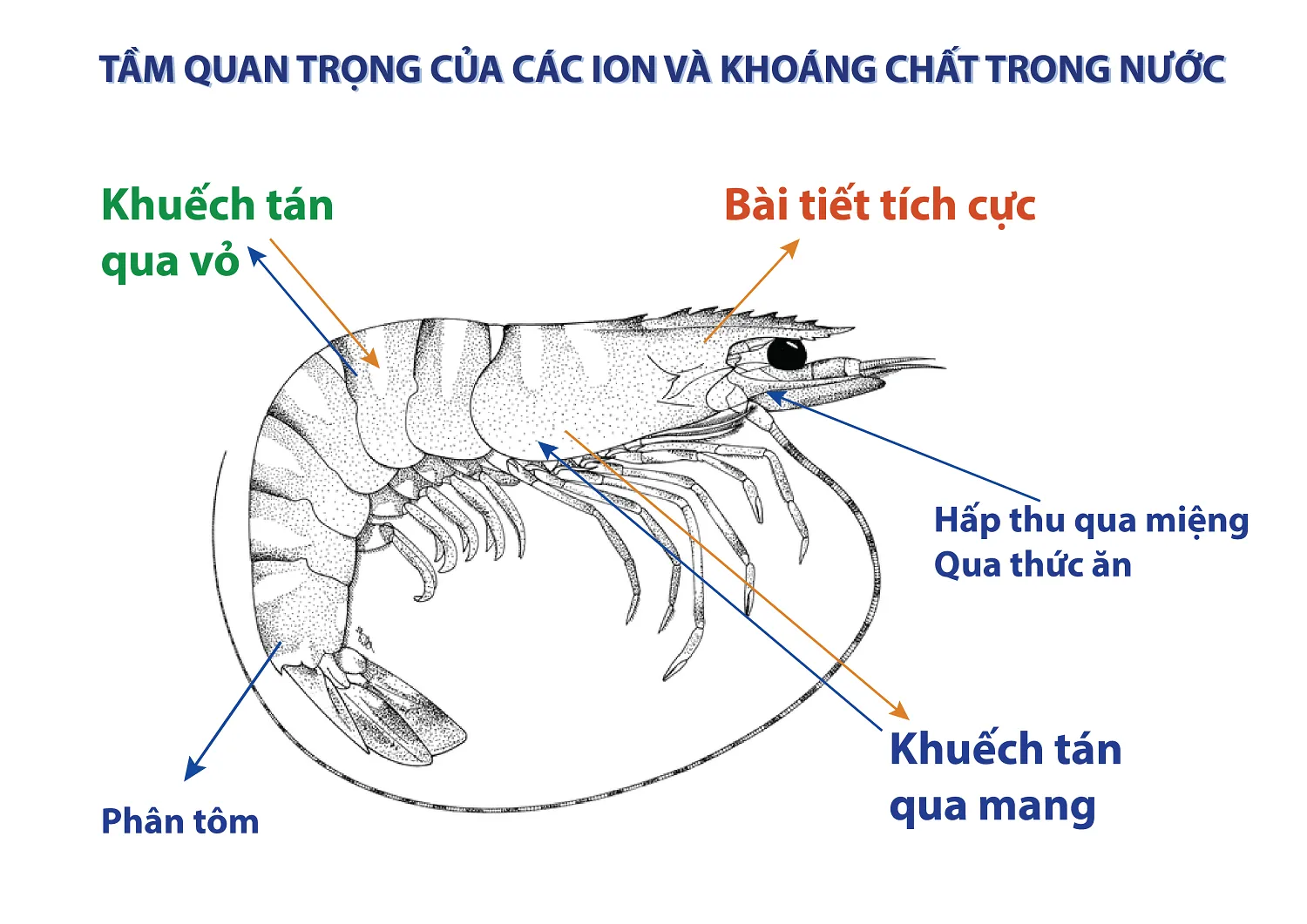
- Minerals are essential components of skeletal structures such as bones and teeth, and shells.
- Minerals play a crucial role in maintaining osmotic pressure and regulating water and substance exchange in animal bodies.
- Minerals serve as structural components of tissues.
- Minerals are essential for nerve and muscle impulse transmission.
- Minerals play an important role in the body's acid-base balance, and thus regulate the pH of blood and body fluids.
- Minerals serve as essential components of many enzymes, vitamins, hormones, and pigments, respiration, or as activators in metabolic processes, catalysts, and enzyme activators.
Source: Referenced and compiled from the internet
Summarized and translated by: Than Vuong Technical Department