(Vietnam Aquaculture) - In recent years, aquaculture has faced significant challenges, with farmers struggling against widespread epidemics affecting farmed fish and shrimp. The main reasons are the indiscriminate use of drugs and chemicals by farmers, leading to environmental degradation in farming areas. To overcome these difficulties, it is essential to innovate and apply scientific and technological advancements to achieve the highest economic efficiency, protect ecosystems, and restore the environment.
Probiotics
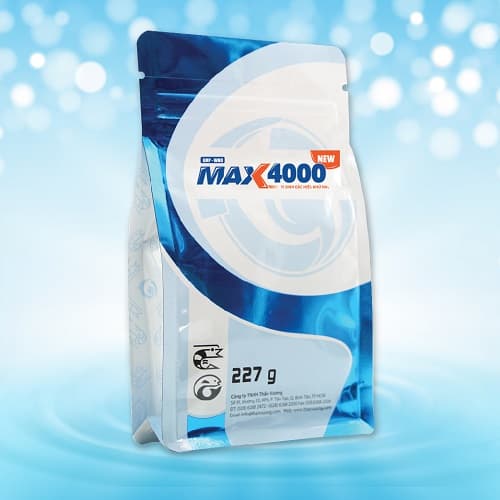
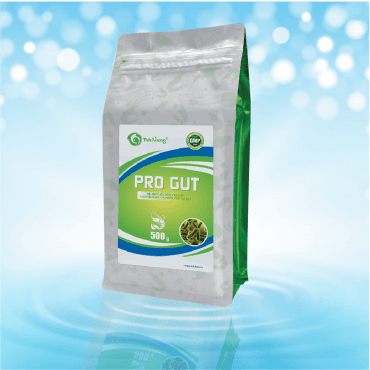
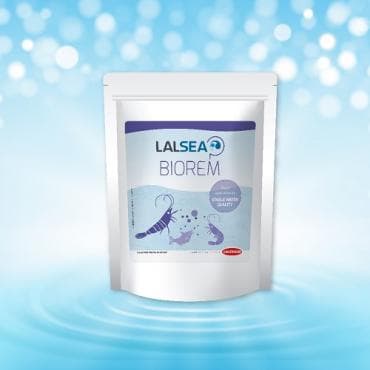
With current advancements in microbiology, probiotic products are not only used to maintain the quality of the farming environment but also have effects in preventing and limiting diseases, reducing feed conversion ratio (FCR), creating safe products for consumers, minimizing waste, and reducing environmental pollution in farming areas. Therefore, probiotics should be prioritized and considered a key factor in safe production processes.
A good probiotic product must meet the following requirements: it must be a living product or maintain its activity; it must not carry pathogens or toxins; it must have beneficial effects on the host; it must be able to survive and thrive in the host's intestinal environment or in the pond environment; and it must maintain quality under normal storage conditions or be easily stored under production conditions.
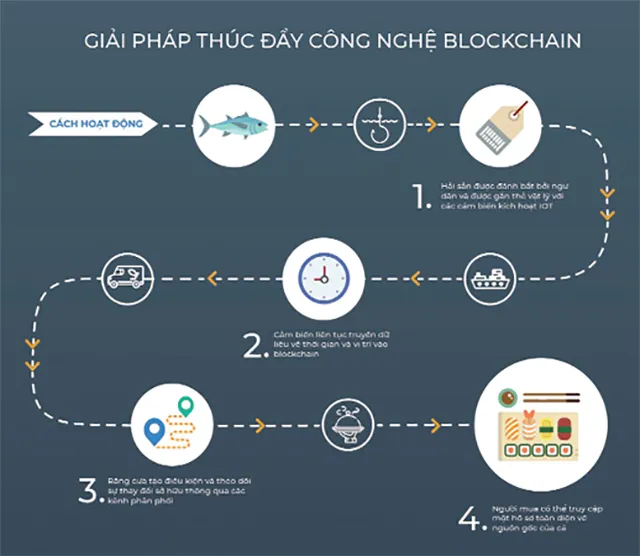
Blockchain technology is increasingly applied in the aquaculture sector. Photo: V.A
Probiotics used in aquatic environments include several groups of bacteria, such as the Bacillus group, which can limit disease infection in farmed animals by inhibiting the growth of pathogenic bacteria. They indirectly stimulate or inhibit algal growth through the Carbon-Nitrogen cycle. Beneficial bacteria in the water will “rapidly eliminate” toxic gases such as NO2, NH3, H2S, and organic matter produced during farming. The use of probiotics also helps stabilize pH in the pond environment (in Biofloc technology). Probiotics (microbial enzymes) supplemented in feed help balance the intestinal microbiota, inhibit pathogenic bacteria, support the immune system, stimulate digestion, and increase feed utilization efficiency.
In addition to the Bacillus sp. group of bacteria, which helps improve animal health, enhance the farming environment, and inhibit pathogenic agents in the farming environment, there is also the Lactobacillus group, which secretes enzymes that decompose organic matter, balance pH, and limit phytoplankton growth. This group is applied in the production of live feed and the rearing of larvae as feed for shrimp and fish fry. The Nitrosomonas and Nitrobacter groups help convert toxic NH3 gas into less toxic NO3 products through the nitrification process. Yeast balances intestinal bacteria.
The use of probiotics not only increases economic efficiency for producers through benefits such as reducing antibiotic costs in disease prevention and treatment, increasing growth rates, survival rates, lowering feed costs, and improving pond water quality to increase stocking density and farming yield... but also contributes to building safe production processes and maintaining ecological and environmental sustainability in farming areas.
Blockchain Technology
This technology is currently being applied in many fields such as healthcare, education, tourism, administrative management, and also in agricultural and aquaculture production in some countries. In Vietnam, the concept of Blockchain is still quite new to the seafood processing industry, so its application remains a difficult challenge, but Blockchain will contribute to enhancing product competitiveness and building consumer trust.
Blockchain is a technology where all data is encrypted into blocks and connected into a secure chain. It is similar to an "automated accounting ledger" for a company, recording the entire farming and processing journey of a product, and is publicly stored for easy traceability by producers and consumers.
Applying Blockchain technology allows producers to store complete product origin information, track products on the market, know the quantity of products consumed, and the quantity of products within and beyond their shelf life. At the same time, consumers can easily trace all product origin information anywhere, knowing where the product was produced, what technology was used, and whether it ensures human health... Clearly, applying Blockchain technology in aquaculture and seafood processing will enhance product competitiveness, help producers manage production better, and provide transparent product traceability to consumers.
It can be said that while probiotics are a production tool following VietGAP and GlobalGAP processes, Blockchain is a management tool for producers and a product traceability tool for consumers. Blockchain is predicted to become a leading tool in the Fourth Industrial Revolution. However, in addition to boldly applying technology, we need to better organize safe production processes to enhance the productivity, quality, and value of the aquaculture industry.
Dr. Cao Truong Giang, M.Sc. Le Minh Toan - Research Institute for Aquaculture I
Source: thuysanvietnam.com.vn