1. Causes:
- In aquaculture, the transitional season is very dangerous. This is a favorable time for fish pathogens to develop rapidly.
- Temperature: The large temperature difference between day and night, ranging from 7 - 10 degrees C, causes fish to experience shock, stop feeding, and weaken, creating conditions for pathogenic organisms to develop, making fish susceptible to disease.
- Alternating hot weather with rain leads to a sudden drop in water temperature and pH, and decomposing dead algae causes oxygen depletion at the pond bottom, creating toxic gases like H2S, NH3,... causing fish to surface for air. If not handled promptly, this leads to mass fish mortality.
- Common diseases appearing during the transitional season: hemorrhagic disease, red spot disease, internal and external parasitic diseases, fungal infections, liver and kidney cap disease...
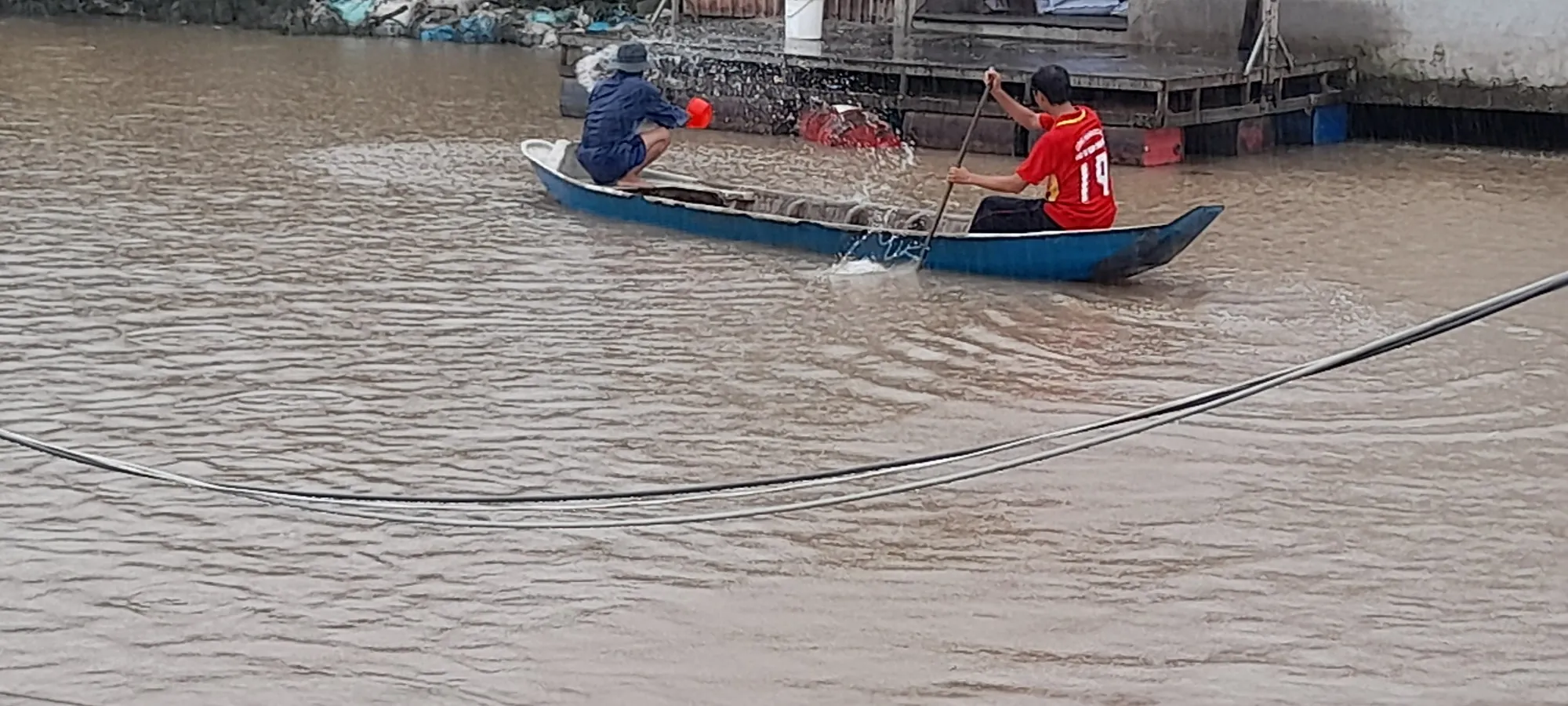
2.1 Environmental Management
• Monitor fluctuations in temperature, oxygen, and environmental parameters such as pH, NO2, NH3...
• Periodically spread lime around the pond banks or dig trenches around the pond banks and spread lime into the trenches to prevent rainwater from carrying alum and dirt from the pond banks into the pond.
• Every 10 – 15 days, treat the water and pond bottom with disinfectant once to disinfect and eliminate pathogens in the pond water.
• Regularly monitor weather, water level, and water color in the pond to make timely adjustments, especially to water environmental parameters.
• Should hang lime: 1 – 2 kg/bag, salt 10 kg/bag directly at the water inlet or pour lime at the water pump station into the pond.
• Use probiotics, minerals to clean the pond water.
• Limit water changes, due to turbid and highly polluted rainwater.
• Reduce feeding amount to ensure less environmental pollution.
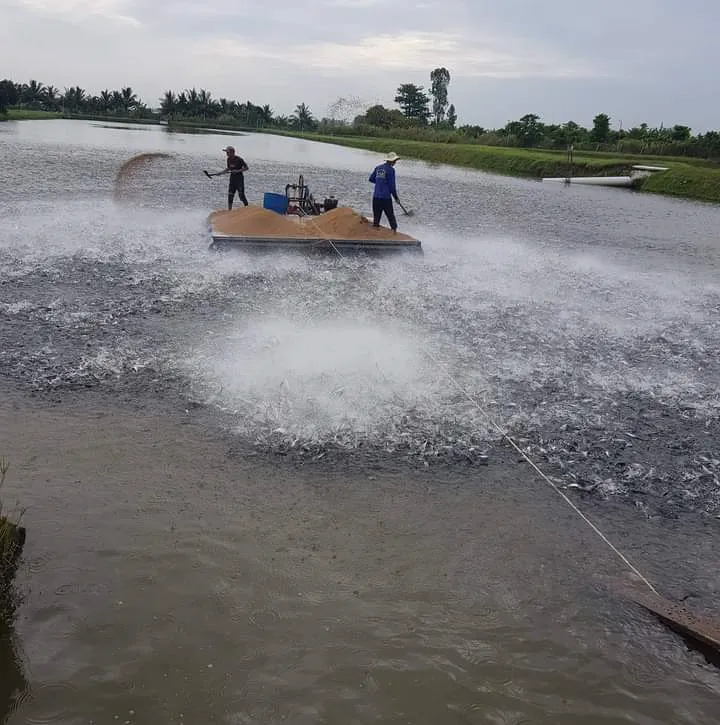
- Regularly observe the activity of farmed fish; when abnormal phenomena occur, it is necessary to identify the cause and take timely remedial measures.
- Every 20 – 30 days, deworm for internal and external parasites once, as this is when parasites develop strongly.
2.3 Enhancing Aquatic Animal Health:
- When the weather changes, it is necessary to reduce feeding by 30 - 50%.
- Enhance fish immunity by feeding high-protein feed. Periodically supplement with vitamin C, beta-glucan, digestive enzymes,... feed 1 - 2 times/week. For larger fish, supplement 2 - 3 times/month.
TECHNICAL DEPARTMENT - MINH DUC