Technical Article

GLASSY POST-LARVAE DISEASE IN PACIFIC WHITE SHRIMP

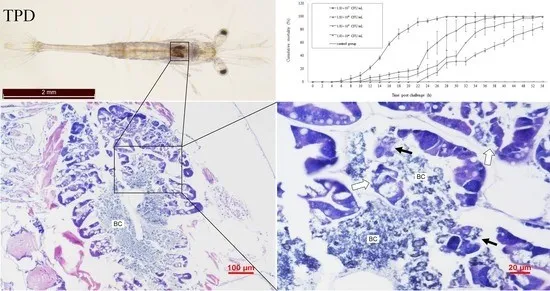
An emerging disease named “translucent post-larva disease” (TPD) or “glassy post-larva disease” (GPD) in Penaeus vannamei shrimp, characterized by a pale or colorless hepatopancreas and digestive tract, has become an urgent threat to the shrimp farming industry.

Solution TrackShrimpOctober 5, 2023👁 36 views
Click to listen to AI-narrated summary (1.2×)
AI Summary

Generate an English summary for GLASSY POST-LARVAE DISEASE IN PACIFIC WHITE SHRIMP

AI-generated summary based on the full article content below.

Editorial Framing

Why this article matters

    Full Article

    A new disease, named “translucent post-larvae disease” (TPD) or “glassy post-larvae disease” (GPD) in Pacific white shrimp Penaeus vannamei, characterized by a pale or colorless hepatopancreas and digestive tract, has become an urgent threat to the shrimp farming industry.

    Causative Agent

    It is a new strain of Vibrio parahaemolyticus, but different from the V. parahaemolyticus that causes Acute Hepatopancreatic Necrosis Disease (AHPND).

    Clinical Signs

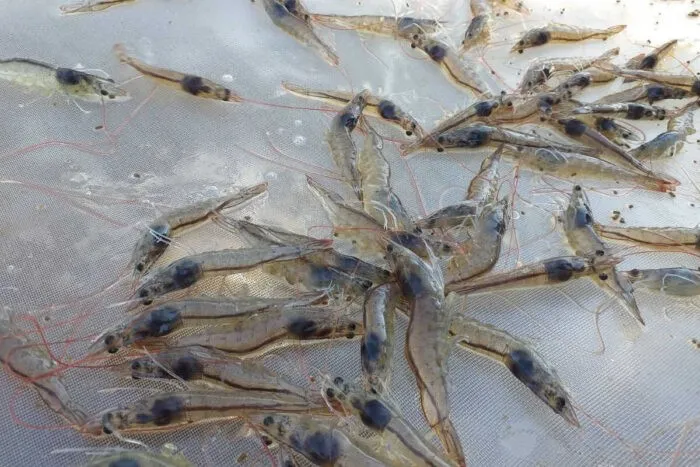
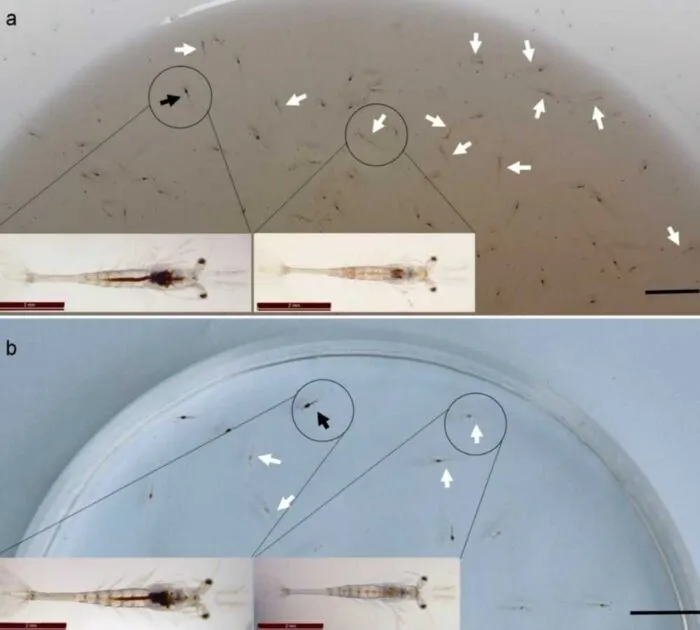
    The hepatopancreas and digestive tract of diseased post-larvae become pale and colorless. A large proportion of affected post-larvae sink to the bottom of the rearing tank and die.

    Diseased individuals (indicated by white arrows) show abnormal hepatopancreatic and digestive tract necrosis syndrome. The hepatopancreas and digestive tract of diseased post-larvae are pale and colorless.
    image_post_1
    image_post_3
    image_post

    Translucent post-larvae disease primarily affects post-larvae at 4 to 7 days old (PL4~PL7) with a very high infection rate. Typically, the morbidity rate of the affected population can reach up to 60% on the second day after the first observation of abnormal individuals, and even up to 90–100% in severe cases by the third day.

    There are currently no specific preventive measures, but treating water with antibacterial agents can limit the pathogen.

    Currently, the disease appears in most hatcheries and during the early stages of commercial grow-out ponds.
    Related Products

    Products linked to this topic

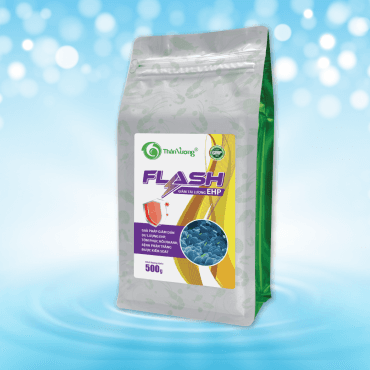
    Product reference for FLASH
    shrimpThần Vương Blue

    FLASH

    Giảm bùng phát EHP, tôm phục hồi nhanh, bệnh phân trắng được kiểm soát

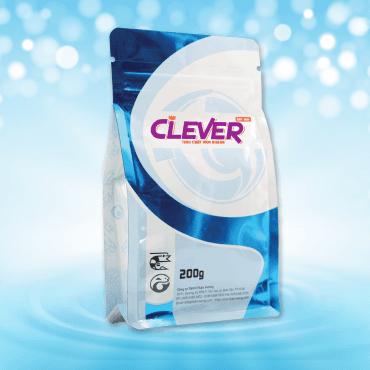
    Product reference for CLEVER
    shrimpThần Vương Blue

    CLEVER

    Tinh chất men kháng khống chế bệnh chết sớm và phân trắng

    More Reading

    Related technical articles

    SỰ THAY ĐỔI CỦA HỆ VI SINH ĐƯỜNG RUỘT DO SỰ NÓNG LÊN TOÀN CẦU. ĐIỀU HÒA SỨC KHỎE VẬT CHỦ VÀ TÌNH TRẠNG BỆNH Ở ĐỘNG VẬT BIẾN NHIỆT
    Research InsightShrimpFebruary 28, 2026

    CHANGES IN GUT MICROBIOTA DUE TO GLOBAL WARMING. REGULATING HOST HEALTH AND DISEASE STATUS IN POIKILOTHERMIC ANIMALS

    Tóm tắt nội dung chính: Sự nóng lên toàn cầu làm thay đổi hệ vi sinh vật đường ruột của tôm thẻ chân trắng Thái Bình Dương bằng cách[...]

    Toàn cảnh thị trường tôm thế giới 2025 — Dữ liệu từ Shrimp Insights (Tháng 2/2026)
    Technical articleShrimpApril 9, 2026

    Global Shrimp Market 2025 Overview — Shrimp Insights Bulletin February 2026

    Tổng hợp thị trường tôm thế giới 2025: Ecuador dẫn đầu xuất khẩu (1.39M tấn, +15%), EU tăng nhập khẩu mạnh nhất (+21%), Mỹ biến động[...]

    CÁ HỒI TRONG ĐIỀU KIỆN STRESS: CỦNG CỐ TUYẾN PHÒNG THỦ ĐẦU TIÊN
    Solution TrackShrimpFebruary 27, 2026

    SALMON UNDER STRESS CONDITIONS: REINFORCING THE FIRST LINE OF DEFENSE

    As the aquaculture industry increasingly develops strategies for animal health protection, functional nutrition has become a key fac[...]

    Technical Advisor

    Aquaculture Q&A

    🦐

    Help us serve you better

    Share your name + phone so we remember your pond next time — no repeating yourself.

    • 🔒 Tech team only — never shared with third parties
    • 📨 No spam, no promotional SMS
    • 💾 History saved on your device — clear anytime