As poikilothermic animals, shrimp body temperature changes with the ambient temperature. Unlike humans and other higher animals, when the ambient temperature drops, our bodies expend energy to generate heat to warm ourselves. Shrimp do not possess this ability. Therefore, when the temperature rises too high or drops too low, some enzymes and proteins in the shrimp's body will not function or will function incorrectly, preventing shrimp from growing and developing normally. When the temperature is too low (below 22 degrees C), digestion, nutrient absorption, metabolism, and disease resistance all decrease. At this time, shrimp will reduce activity, eat less, have difficulty absorbing minerals and other nutrients, their resistance decreases, and they become more susceptible to diseases than usual. We need to understand this to provide appropriate care for shrimp during the cold season.
During the cold season, temperature is the most concerning factor. Additionally, when water temperature drops, the water's solubility also decreases, including dissolved minerals, organic matter, and dissolved gases (dissolved oxygen also decreases).
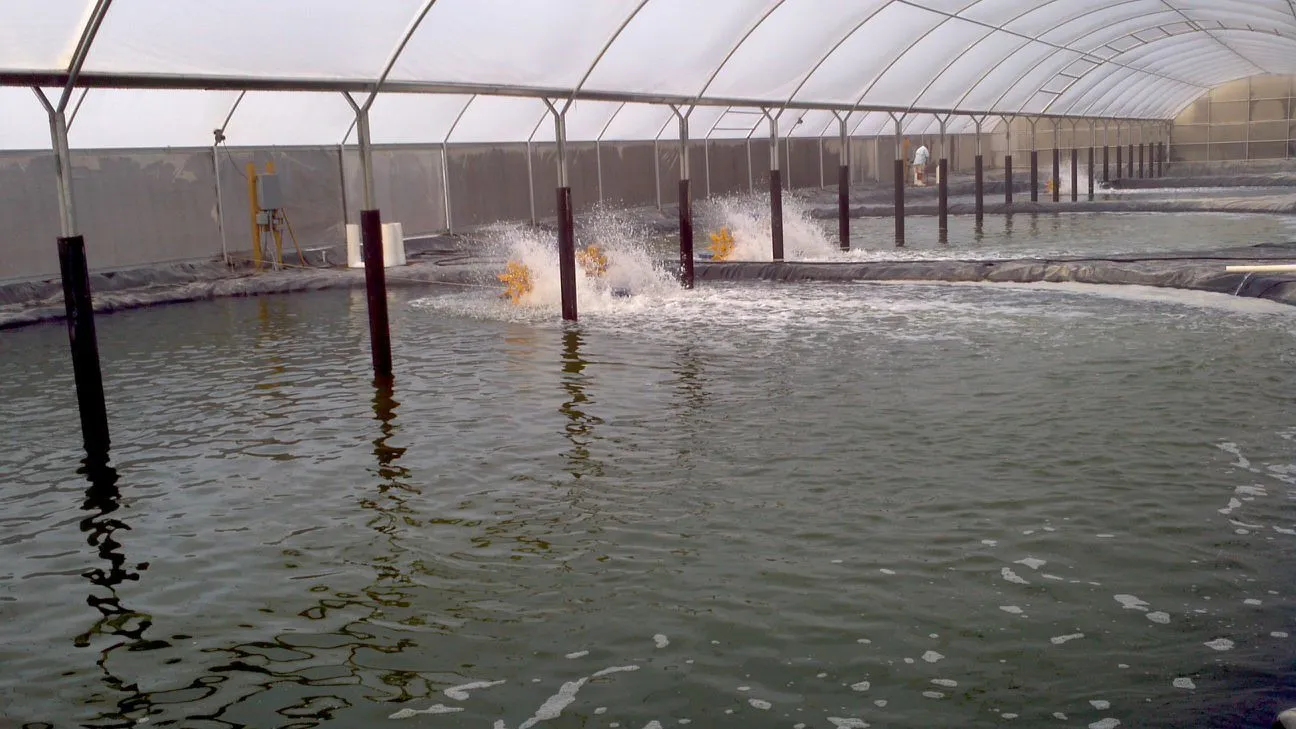
From the above analysis, the following measures can be implemented to manage shrimp ponds during the cold season:
- Indoor farming or shading with nets: This can partially mitigate the impact of low external temperatures. Strong winds are also a major cause of significant heat loss from the pond, so if farming in the cold season, measures such as building walls or windbreaks are necessary.
- Use temperature-increasing tools (for indoor ponds) such as heating rods and heaters. Heaters of 2,000 – 2,200W can effectively raise the temperature in ponds around 300 m2. This method is quite costly and should only be applied when aiming for high production.
- Increase aeration and water circulation: This both enhances oxygen diffusion into the water and mixes water layers, preventing thermal stratification in the pond (where the surface layer is warmer than the bottom layer).
- Farm in earthen ponds or submerged ponds instead of above-ground ponds: Because soil absorbs and retains heat better than air, shrimp can be farmed in these types of ponds during the cold season. In above-ground ponds, the pond water only contacts the air through a thin liner or composite layer, making it prone to heat loss.
- Choose an appropriate stocking time: Stock early before the cold weather sets in. When it gets cold, shrimp should have reached approximately 150-120 individuals per kg (or 45-50 days old), at which point they are healthy enough to withstand harsher weather.
- Maintain a high water level (>1.5m) to avoid large day-night temperature fluctuations that can shock shrimp. Additionally, when changing water, drain water when the weather starts to warm up (7-8 AM) to help the pond absorb heat, and refill water during the warmest part of the day (11 AM-12 PM), using surface water from a ready pond to supply warmer water to the culture pond.
- Good feed management: During the cold season, shrimp significantly reduce their feed intake, eating only to maintain vital activities. Therefore, it is necessary to adjust the feed amount appropriately to avoid excess feed, which can pollute the water environment and lead to undesirable phenomena. During this period, although the feed quantity is reduced, the feed quality needs to be increased: increase the protein percentage in the feed, increase nutrients and vitamins (Canforta 10ml/kg, used twice daily), and enhance minerals (Quickshell gold 10ml/kg, used twice daily). It is advisable to divide the total feed amount into multiple feedings throughout the day to prevent feed wastage.
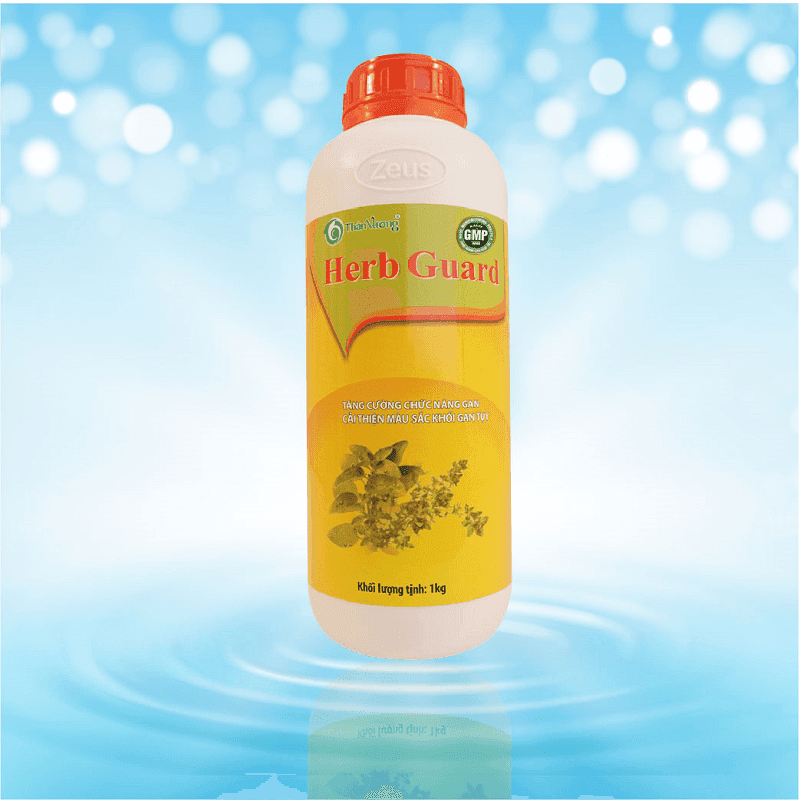
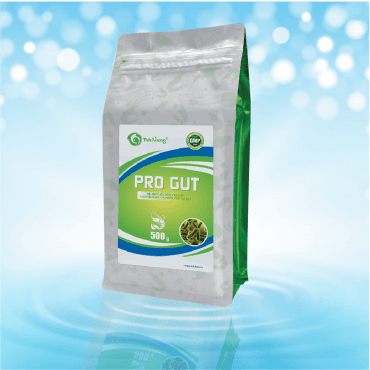
- Enhance shrimp immunity. At this time, shrimp are very susceptible to pathogens due to a weakened immune system. Therefore, in addition to good water quality management, it is necessary to supplement with other products to strengthen the shrimp's disease resistance: enhance hepatopancreatic health (Herb Guard 15ml/kg or Tetramax 2g/kg), boost immunity and gut health (Aquamos - ProGut 5g/kg), and supplement with vitamin C (Gro C30 5ml/kg) or, even better, a multivitamin (Canforta).
- Supplement minerals for shrimp with easily absorbable forms: Low temperatures make water solubility and mineral uptake more difficult. Therefore, easily soluble liquid minerals can be used instead of powdered minerals, helping shrimp absorb them more easily and quickly. Cell Canphos gold 3l/1,000 m3 can be used daily to supplement minerals for shrimp.
- Excessively low temperatures also affect the algal and microbial systems in the pond. Poor algal development or ineffective microbial application are common occurrences in cold season shrimp farming. Therefore, instead of using conventional probiotics, multi-strain probiotics that can function under various conditions (Soilmax) or specialized cold-season probiotics can be used.
Hoàng Tấn Phát