During fish farming, many factors can destabilize their resilience and gradually lead to complex diseases. Lallemand Animal Nutrition's core activity in aquaculture is to promote the natural defense mechanisms of fish by using microbial-derived ingredients. We presented three studies supporting the role of yeast-derived functional ingredients in fish's natural defense mechanisms, specifically immunity and skin protection, at the latest European Aquaculture Society meeting in Madeira, from August 4-7.
Mitigating the Impact of Continuous Treatment on Marine Salmon
The first study focused on mitigating the impact of continuous interventions on the health and integrity of the intestinal mucosa in salmon using functional ingredients. The model simulated common interventions applied in marine fish farming areas to control parasitic infections. The experimental ingredient was a combination of multi-strain yeast and antioxidant-rich concentrated melon powder (MELOFEED). The study was conducted at the University of Stirling under the guidance of Professor Hervé Migaud and with the support of the Scottish Aquaculture Innovation Centre (SAIC).
- The study recorded a clear impact on stress levels based on physiological and mucosal health indicators.
- Fish supplemented with the experimental ingredient showed lower chronic stress levels and better-maintained skin mucosal barrier and antioxidant status when continuously exposed to stressful conditions.
The researchers concluded that supplementing the diet with the ingredient could mitigate the detrimental effects of repeated treatments and associated losses in intestinal mucosal integrity and resilience. This is expected to have clear benefits for the animals and farm-level production.
Improving Fish Mucosal and Skin Health
When applied to mechanical skin wounds in adult zebrafish, multi-strain yeast continuously fed before skin lesions were observed showed recovery. The supplementation, specifically the formation of new connective tissue at the wound site, improved inflammation and tissue regeneration.
Another study conducted with research partner, Plymouth University, UK, confirmed the effect of multi-strain yeast on the mucosal barrier and immune system of gills, skin, and intestine in salmon (salmon fry). The results showed a significant improvement in mucosal defense mechanisms.
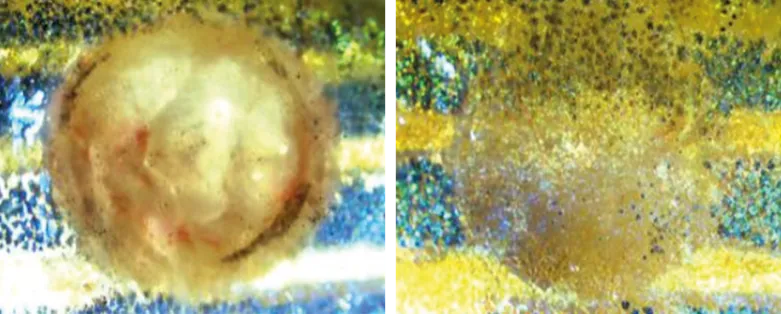
Wound healing in zebrafish. Top: skin wound; bottom: wound healing process (wound diameter: 1 mm)
These three new studies provide evidence that natural microbial solutions offer many opportunities to maintain fish growth performance and gain acceptance for use in aquaculture.
Source: Lallemand Animal Nutrition
Translated by: Than Vuong Technical Department