In a recent report, researchers stated that using seaweed additives in shrimp feed can improve shell softness, boost immunity, and help farmed shrimp better withstand continuous weather changes.
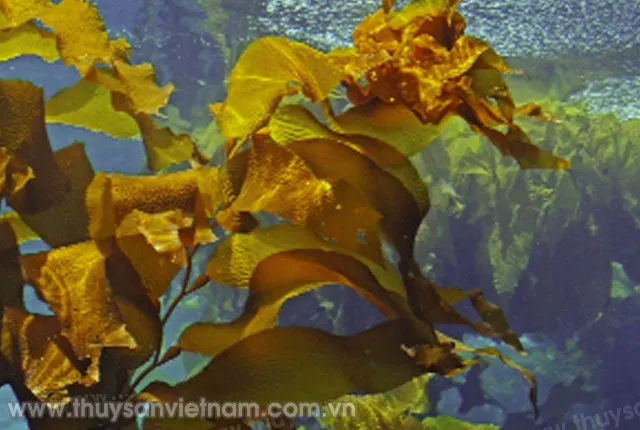
Seaweed additives in shrimp feed can improve shell softness
A team of researchers in Brazil from the Federal University of Santa Catarina and the Catarinenses Federal Institute conducted experiments using brown seaweed (Sargassum filipendula) in shrimp feed prior to cold shock to investigate the mechanisms altered by this additive. The team published their findings in the journal Aquaculture.
The researchers stated: “In the current study, we used MALDI-TOF MS to evaluate the protein and lipid profiles of hemocytes, both excised and intact, from Pacific whiteleg shrimp fed 0.5% brown seaweed and subjected to cold shock therapy. The addition of 0.5% brown seaweed to shrimp feed altered the lipid and protein components in the shrimp's hemocytes. This change may help explain how shrimp fed seaweed-containing feed better survived thermal shock.”
According to the researchers, brown seaweed has high nutritional value and contains several bioactive compounds. Brown seaweed has been used as an aquatic feed ingredient, and its use has been growing in recent years. However, the use of different brown seaweed species can yield different results. For example, previous research showed that Pacific whiteleg shrimp resisted cold shock best when supplemented with 0.5-2% of the brown seaweed species Sargassum filipendula, but the opposite was true for the brown seaweed Undaria pinnatifida.
Cold shock often causes health problems for farmed animals, including disrupting protein synthesis, leading to poor organ function, and causing oxidative stress. For shrimp farmers, cold shock can result in yield losses due to shrimp being more vulnerable to disease and experiencing reduced growth. The researchers divided the experiment into two groups: one group was not fed seaweed-containing feed; the other group was fed feed containing 0.5% seaweed. On days 16 and 40, shrimp in both groups were exposed to cold shock, then returned to warm tanks and observed for 24 hours. The results showed that the group of shrimp not fed seaweed-containing feed had a mortality rate of approximately 20%; meanwhile, the group of shrimp fed seaweed-containing feed had a mortality rate of only 3%.
Compiled by: Trần Thị Thúy Quyên