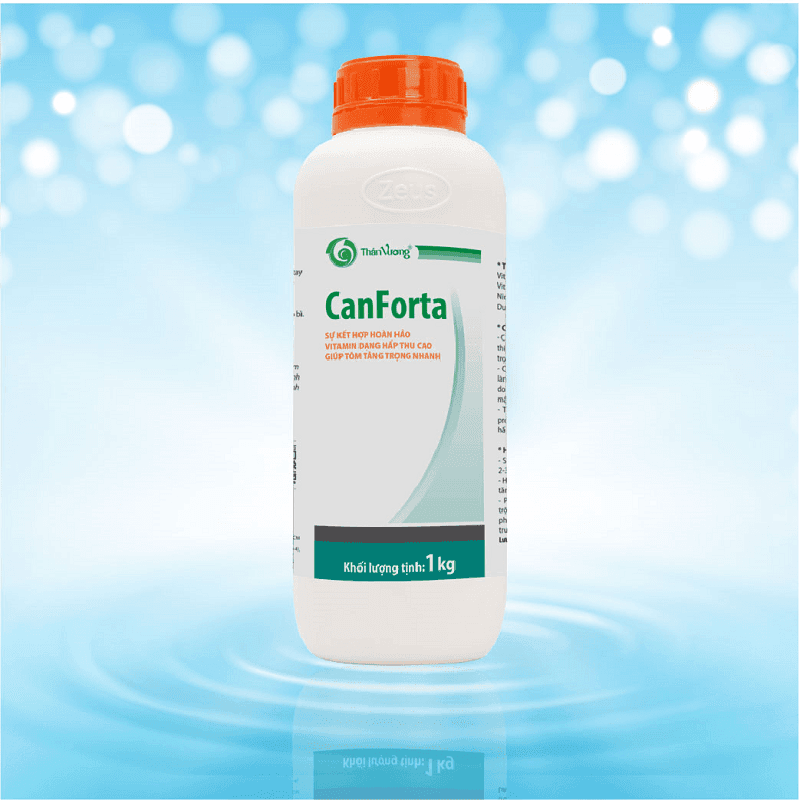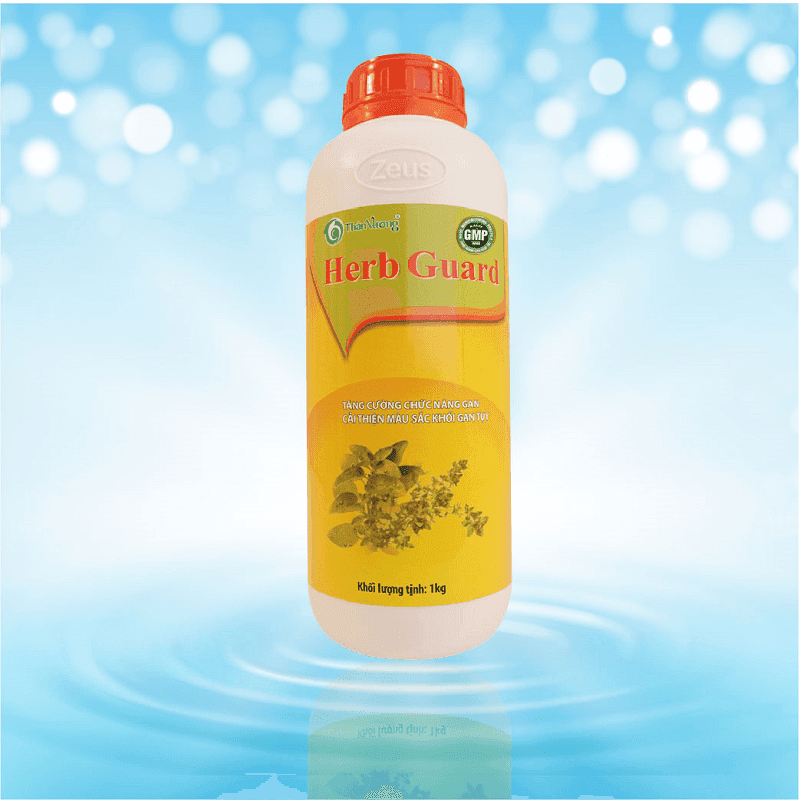
The challenges for pangasius fingerling farmers are currently significant, due to increasingly polluted water environments, unstable rainy and sunny weather, and the growing prevalence of pathogen drug resistance, posing an urgent need for new, effective disease prevention measures.
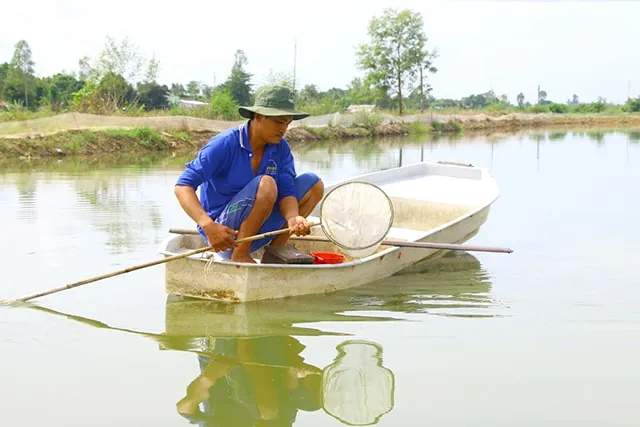
Causative agent of fin rot disease
There are many opinions regarding the causative agents of fin rot disease in pangasius fingerlings, because when fish contract the disease, many species such as parasites, fungi, and bacteria are found on their bodies, leading to co-infections. Analysis has identified the primary causative agent as the gram-negative bacterium Flavobacterium columnare.
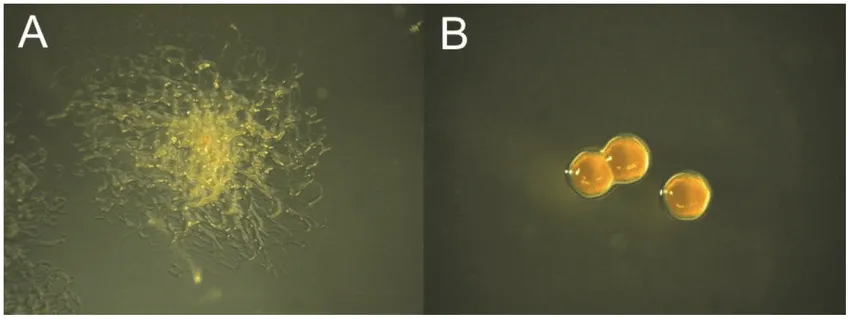
Causes of the disease
There are many factors causing the disease, but the main issue is poor water quality throughout the rearing process, due to the impact of various factors such as: excess feed, heavy rainfall, cold season, and inadequate pond preparation, leading to conditions favorable for the strong development of pathogens in the pond sediment, harming the fish.
Symptoms in fish
When fish contract the disease, they will gather in areas with water flow, swim sluggishly and disoriented, secrete mucus, and have discolored skin patches on their bodies. Severe cases lead to ulcers, eroded tails, and necrosis on the body. The disease spreads very quickly if not treated properly and promptly, and fish will gradually die, leading to significant losses.
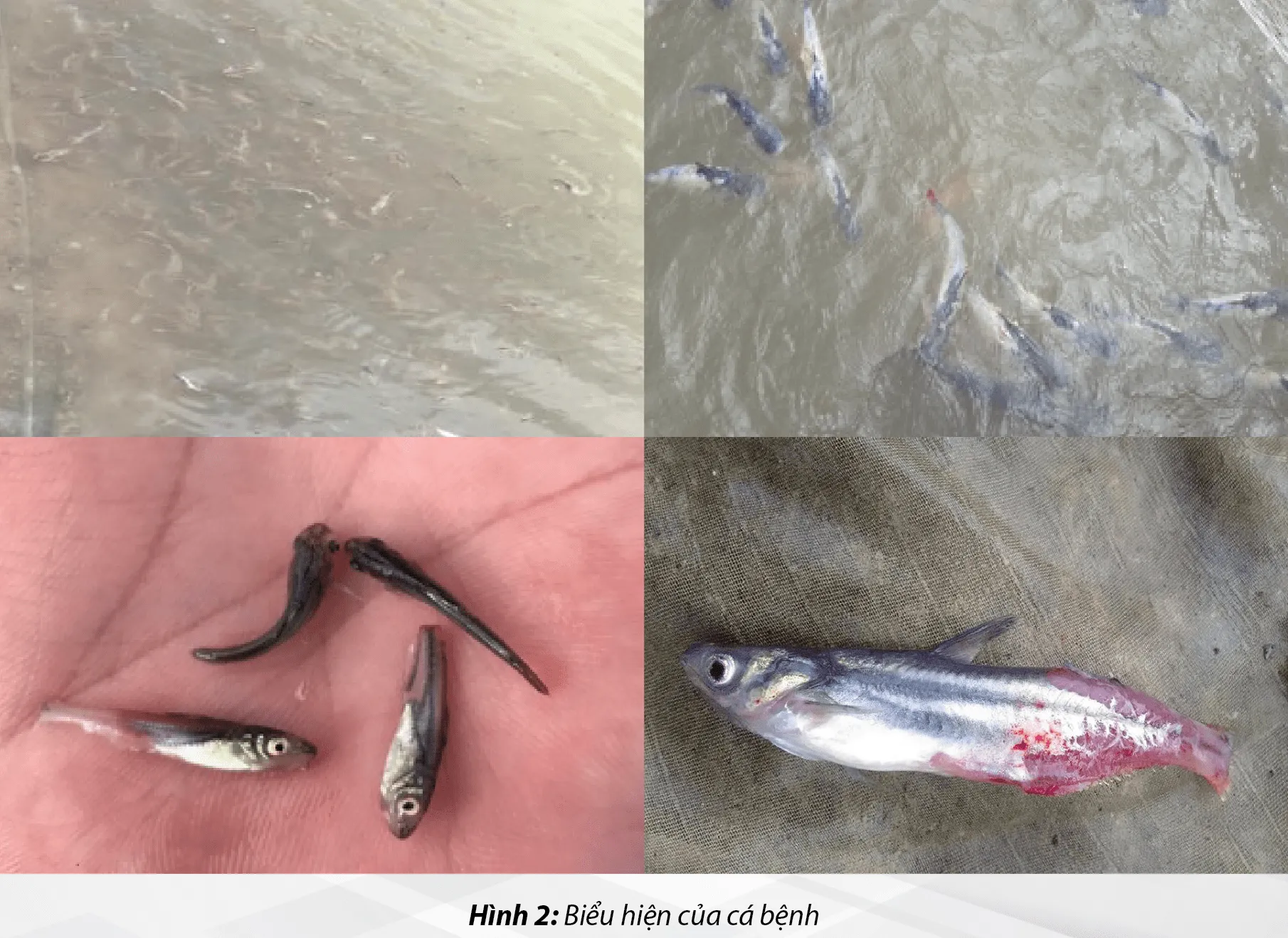
Disease Prevention Methods: By Fish Age Stage
|
Fish Age (Days) |
Treatment |
Dosage |
Notes |
|
15 |
Workcop plus |
1 liter/6,000m3 water |
Treat in the morning |
|
Power gluta |
1 liter/6,000m3 water |
||
|
17 |
Workcop plus |
1 liter/6,000m3 water |
Increase water level by 15cm |
|
Power gluta |
1 liter/6,000m3 water |
||
|
19 |
Workcop plus |
1 liter/6,000m3 water |
Gradually increase water level by 15cm daily |
|
Power gluta |
1 liter/6,000m3 water |
||
|
22 |
Chlorine |
1 liter/3,000m3 water |
|
|
Copper sulfate |
1 liter/4,000m3 water |
||
|
25 |
Chlorine |
1 liter/3,000m3 water |
|
|
Copper sulfate |
1 liter/4,000m3 water |
Note: The water source supplied to the pond must be good, and regularly check water quality parameters (pH, NO2, H2S…) to make timely adjustments for stability.
Technical Department, Than Vuong Company