Benchmark has announced the discovery of a quantitative trait locus (QTL) for resistance to Streptococcus iniae in Nile tilapia. Streptococcus iniae is a dangerous pathogenic bacterium for many fish species, especially tilapia, which can cause mass mortality and economic losses for farmers.
Streptococcus infection is one of the most serious disease challenges in tilapia production. The discovery of this QTL is a significant opportunity to reduce streptococcal infections and the use of antibiotic treatments.
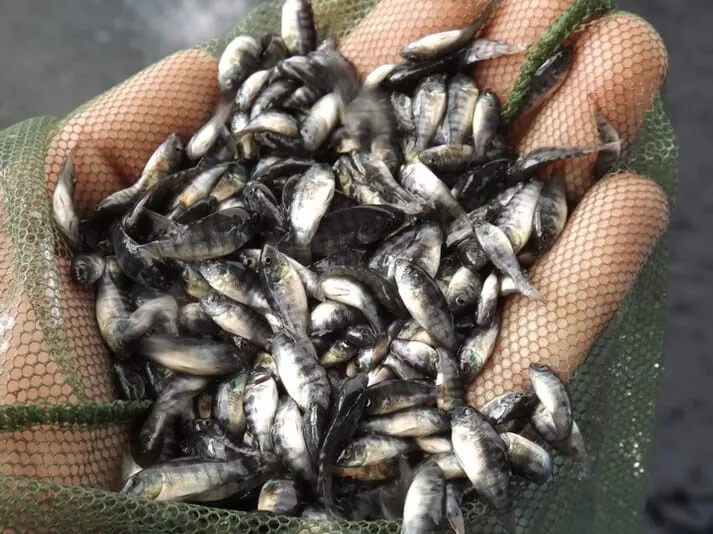
Streptococcus-resistant fish stock will be available to producers in early 2020
Benchmark's genomic analysis from controlled disease resistance trials has shown that a significant proportion of the genetic variation for resistance is due to a small region of DNA, known as a QTL. Benchmark has developed a patent-pending application related to the identified QTL, which will be used to select broodstock with high Streptococcus iniae resistance for commercial fish production.
Currently, Benchmark selects broodstock to improve Streptococcus agalactiae resistance using genomic selection, and for Streptococcus iniae resistance using marker-assisted selection with the S.iniae QTL. This is the first time a QTL for disease resistance in tilapia has been identified and used for commercial breeding. It represents a significant advancement in tilapia genetic improvement and in combating the most pressing disease challenges. This is a major step forward for the tilapia industry as it prevents Streptococcus, promoting improved productivity and sustainability for farmers.
This breakthrough in tilapia genetics is the result of many years of investment and commitment to bringing advanced breeding technology to the farmed species. This research outcome has brought the tilapia farming industry to a new turning point.
Source: The Fish Site