The use of probiotics is an essential application in aquaculture environments because they bring many positive benefits to the aquaculture pond environment.
Some key uses include the following
- Treating organic pollution: feed, feces, dead algae, etc., and converting them into non-toxic substances.
- Controlling algae and environmental factors to help balance the ecosystem better.
- Supplying and maintaining beneficial bacteria in the pond (microbial foundation) to maintain competitive exclusion, nutrient competition, and inhibit the growth of harmful bacteria.
Observable effects of probiotics in practice
- Bright and clear water color, less organic suspended solids after treatment, and stable maintenance throughout the culture period.
- Ability to change water color (reduce algae when used at night or soaked and fermented with molasses, rice bran used for water coloring).
- Clean pond bottom, clean liner, stable water color and environmental parameters, less toxic gas production during the culture period.
When will probiotics not be effective?
- The quality of the probiotics being used.
- Insufficient dosage, excessively long application intervals, or improper timing of use. These issues are often related to practical observations, stocking density, and pond water color.
- Low dissolved oxygen in the pond makes aerobic probiotics less effective. Earthen ponds with excessively turbid water due to silt, suspended solids, and too much organic matter (a single treatment will not be effective).
- Low alkalinity causes significant pH fluctuations, reducing probiotic effectiveness.
- If salinity is too high, most probiotics cannot function effectively (an important criterion for evaluating probiotic activity).
- Residual concentrations of disinfectants in the water (Chlorin, BKC, Glutaraldehyde, etc.).
- An environment with many protozoa, rotifers will negate the effects of probiotics and lead to loss of algae, snails, and clams in the pond (resulting in clear water, reduced alkalinity, and pH fluctuations).
Some practical methods for more effective probiotic use
- Selecting probiotic products, assessing pond conditions, stocking density, timing of application, application intervals, and frequency of use.
- Reducing turbidity by changing water, applying flocculants. Water changes reduce algae and organic matter density; CaO lime used at night also helps reduce algae density. These measures help reduce the treatment load for probiotics.
- Treating slime and thick water to loosen the water, allowing probiotics to work more effectively.
- Disinfect the water when infected with protozoa, Protozoa, Zoothamnium.
- For aerobic microbial strains, high oxygen demand must be ensured to achieve optimal activation for probiotics.
- A common trend observed is that multi-strain probiotics will yield higher effectiveness and support each other during treatment stages.
- Additionally, during probiotic biomass production, the pH threshold should not be too low (< 4.0), as this is unfavorable for probiotics. Most treatment microorganisms are heterotrophic, so supplementing with nutrient sources such as carbohydrates (sugar, molasses), trace minerals, yeast, etc., is necessary for better microbial biomass production.
- A successfully fermented probiotic batch will have a pleasant aroma, with a thin film visible on the water surface and a pH of 4-5. For anaerobic fermentation > 48 hours, the probiotic biomass will have a pleasant aroma, a film on the surface, and many white gas bubbles.
Understanding quality probiotics better
- Strain, purity, and stability in water treatment (probiotic degradation).
- The screening and selection of strains for pollution treatment capability and probiotic production technology.
- Ability to produce biomass, survive, and function under various pond conditions (diversity in living conditions and environmental treatment).
- Producing enzymes (protease, amylase, lipase, cellulase), creating antibacterial activities.
- Even more important is the wide salinity tolerance, providing effective treatment from low to high salinity culture areas (0 - 45‰).
SOILMAX Probiotics and the Difference
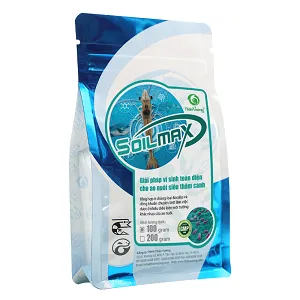
- Combination of multi-strain probiotics (Bacillus spp, Pediococcus acidilactici).
- Selected treatment features.
- Suitable for various environmental conditions.
- Effective application at low dosages.
- Very high salinity tolerance of probiotics (0 - 50 ‰).
Features of SOILMAX
- High organic matter treatment capability.
- Clean water, clean pond bottom, clean liner.
- Maintains a stable environment throughout the culture cycle.
We have achieved great success in environmental management and water color control with SOILMAX at a stocking density of 200 - 350 individuals/m2
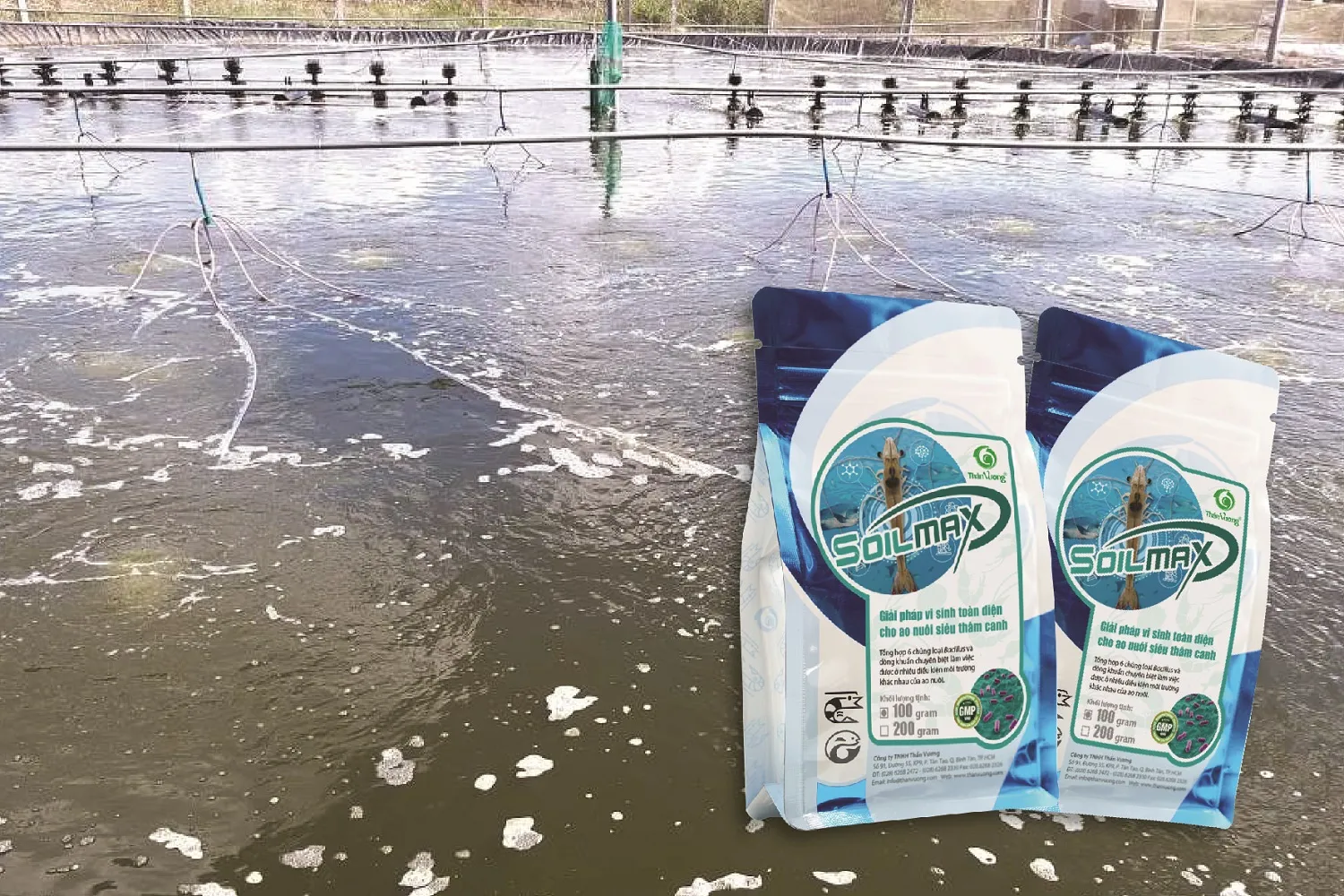
See product details for SOILMAX: https://thanvuong.com/vn/soilmax-1565322608.html
Stable water quality control will contribute to the success of the culture cycle
Technical Department, Than Vuong Company