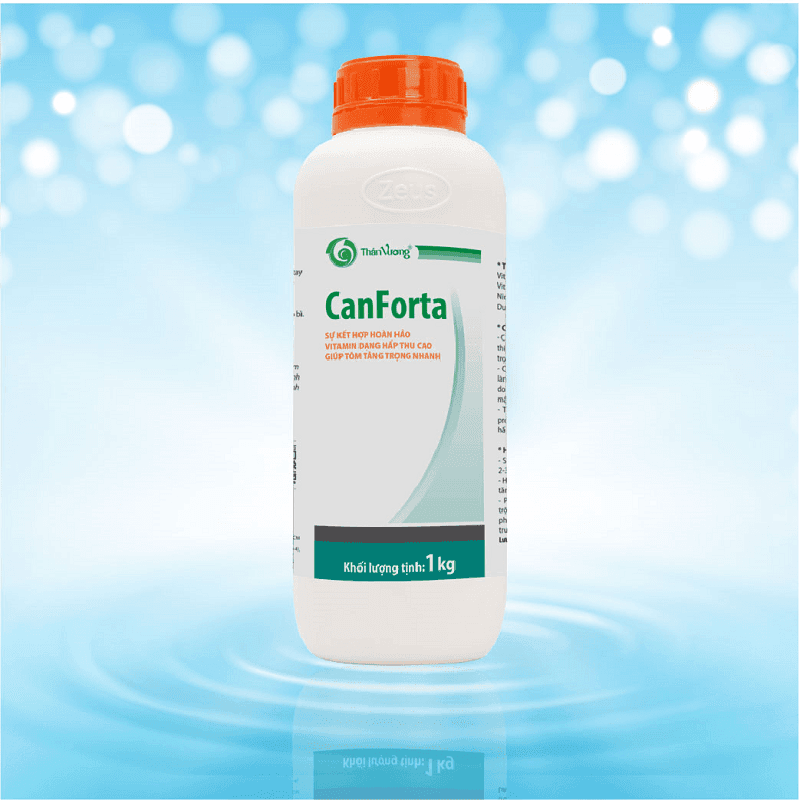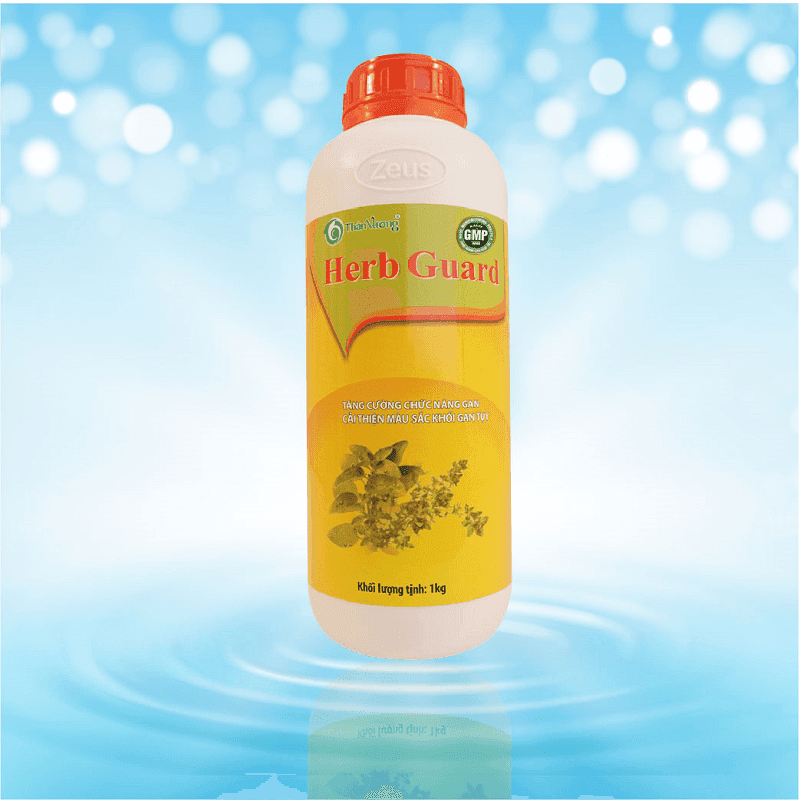
Plant isoquinoline alkaloid compounds (abbreviated as IQs) are natural components with various biological activities found in the pink poppy plant (Macleaya cordata), widely distributed in China. The potential health-improving properties of IQs from M. cordata have been documented in many livestock, including pigs, chickens, and aquatic animals. These effects include improved growth performance, increased appetite, immune modulation, modification of gut microbiota, and enhanced resistance to certain pathogenic bacteria.
Regarding the applications of IQs in shrimp farming, previous studies by experts in Thailand found that whiteleg shrimp (Litopenaeus vannamei) fed with IQs supplementation (100 – 200 mg/kg feed for 60 days and challenged with Vibrio harveyi bacteria) had lower Vibrio spp. counts in their gut compared to the control group, although the effects on growth and survival rate were not significant. Therefore, the experimental feed this time was prepared by mixing IQs extract with other feed ingredients before pelleting to minimize potential issues with IQs, and the research team also expects the health-promoting activity of IQs on whiteleg shrimp in this trial to be more prominent.
Experimental Design
The study was divided into 2 experiments. In experiment 1, the effects of IQs on growth, survival rate, and immune system were evaluated in healthy shrimp. In experiment 2, the effects of this additive on growth, survival rate, and shrimp resistance to V. parahaemolyticus bacteria were evaluated after disease challenge by bacterial immersion.
In experiment 1, 5 treatments were prepared, including commercial pelleted feed without IQs supplementation (control diet); powdered IQs-supplemented feed; and water-soluble, granular IQs-supplemented feed at a dose of 100 – 150 mg/feed.
Whiteleg shrimp post-larva 9 were purchased from a commercial hatchery in Chachoengsao province, Thailand, and transported to the laboratory at the Aquaculture Research Center, Faculty of Fisheries, Kasetsart University, Thailand. After 3 days of acclimatization, 2,000 PL12 shrimp (1.5 mg/PL) were randomly stocked into 20 composite tanks (5 groups with 4 replicates/group and a density of 100 shrimp/tank), corresponding to 150 shrimp/m2. Throughout the study period, water quality parameters were maintained at appropriate levels.
In experiment 1, shrimp were fed to satiation with one of the 5 treatments, 5 times/day for 30 days. On days 10, 20, and 30, 10 shrimp/tank were randomly selected to weigh individual specimens and determine the survival rate of each tank.
After experiment 1, live shrimp (1.3 g) from the 4 IQs groups were transferred to 16 fiberglass tanks (4 replicates/group and a density of 30 shrimp/tank). The control group from experiment 1 was randomly divided into 2 new groups: positive control (challenged with V. parahaemolyticus) and negative control (not infected with V. parahaemolyticus) across a total of 24 tanks (6 groups, 4 replicates) in experiment 2. Rearing parameters and water quality for experiment 2 were similar to experiment 1 throughout the study period.
Research Results and Discussion
The isoquinoline alkaloid formulations in this study contained 0.5 and 1% sanguinarine, respectively. When incorporated into feed pellets, this resulted in diets containing 1 – 1.5 mg/kg sanguinarine. As science discovered that sanguinarine and other alkaloids in M. cordata possess antibacterial and anti-inflammatory activities, these active compounds have the potential to become growth promoters. In fact, many studies have demonstrated the growth-promoting effects of IQs on various livestock, including pigs, chickens, and aquatic animals. Consistent with these studies, the results from the Thai expert group also noted the health-improving effects of the 4 IQs-supplemented diets.
However, only shrimp infected with V. parahaemolyticus and fed IQs supplementation (in experiment 2) showed significant improvement in weight gain compared to the control group, whereas healthy shrimp (experiment 1) did not. These observations confirm that antibacterial and anti-inflammatory properties are the primary reasons for the growth-improving effects of IQs.
The results showed the immune-stimulating effects of IQs. IQs-supplemented diets improved the immune function of many other cultured species, including tilapia, carp, and Koi, and also promoted antibody production in poultry and pigs. These improved immune responses contributed to the enhanced survival rate of shrimp. In addition to improved immune function, the higher survival rate of shrimp was also attributed to the antibacterial activity of the sanguinarine compound.
Prospects
Research data from Thailand showed that all shrimp fed isoquinoline alkaloid supplementation in experiment 1 had significantly improved survival rates and immune parameters compared to the control group, although growth performance among the groups was similar. In experiment 2, the IQs-supplemented group achieved better growth and higher survival rates compared to the positive control group.
Two IQs formulations with two sanguinarine concentrations (1 and 1.5 mg/kg feed) supplemented in shrimp diets showed equivalent effects on improving growth performance, survival rate, immune response, and resistance to V. parahaemolyticus infection. Furthermore, no histological damage to the hepatopancreas and intestine was observed in these shrimp groups, unlike in the positive control group.
Abstracted from the article by the authors Pavarist Bussabong Tirawat Rairat, Niti Chuchird, Arunothai Keetanon Putsucha Phansawat Kanokwan Cherdkeattipol Phongchate Pichitkul, and Waraporn Kraitavin published in GSA magazine