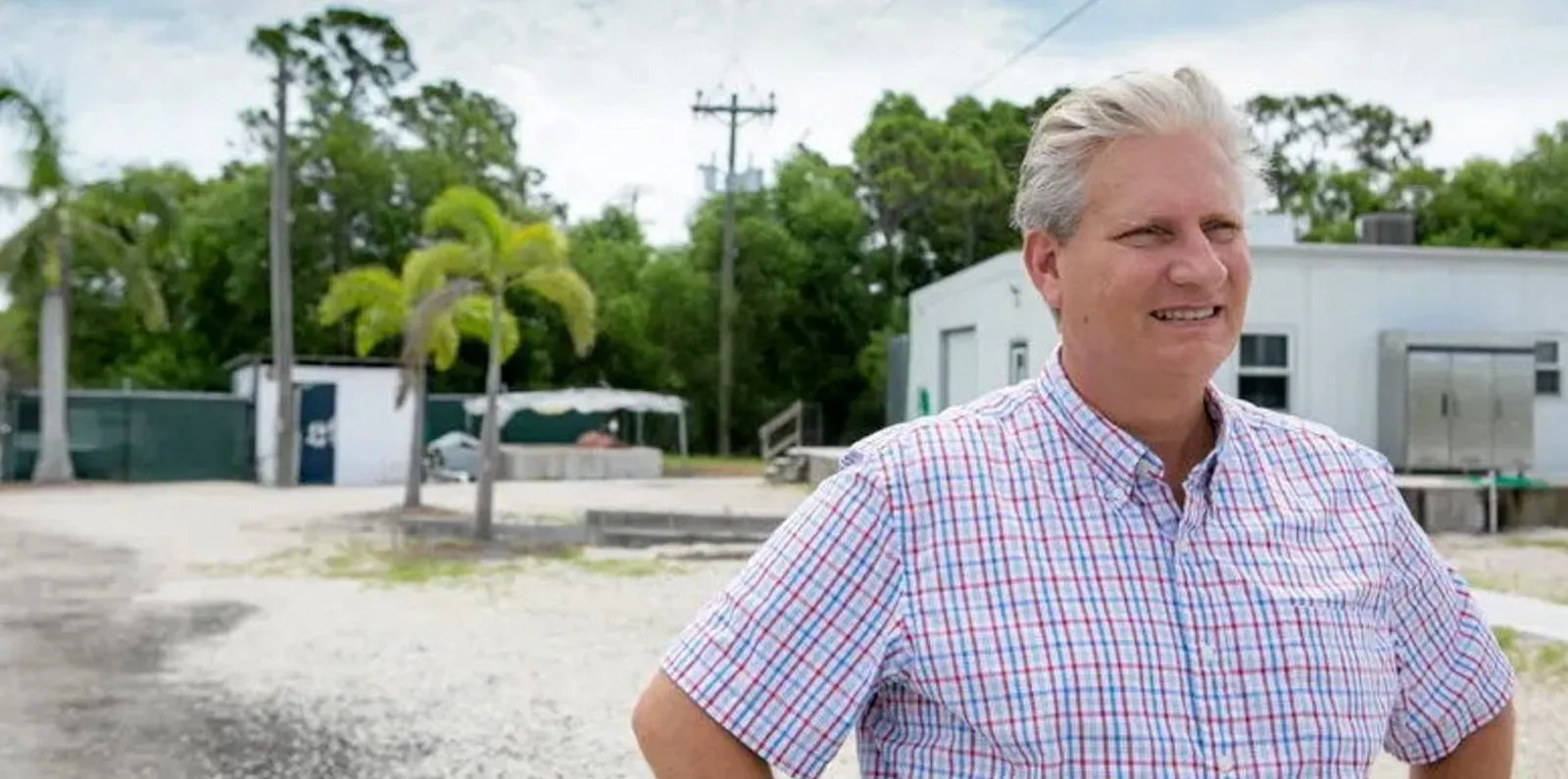
 Robin Pearl believes the solutions to improve shrimp farming operations in Asia are very simple.
The Reluctant Geneticist
Seven years ago, Pearl was a regular farmer in Florida. He had a shrimp farm, and unfortunately, at that time, his shrimp were dying in large numbers, and he couldn't fix the problem. He tried various medications and chemicals, different farming systems, and different types of feed, but couldn't salvage the situation. Finally, he imported a different stock from Ecuador. They didn't die as much as before, but this batch of shrimp didn't grow well. Since then, Pearl became a geneticist: tracking genetic research of broodstock, implementing a selective breeding program, and having his own broodstock.
Five years later, Pearl began selling these broodstock to hatcheries worldwide, and he found that these places truly needed better quality seedstock.
Pearl traveled the world and gained insight into what was happening at farms in Asia. And the solution, as he saw it, was not as difficult as people mistakenly believed.
Speaking about the ongoing challenges in shrimp farming in Asia, Pearl stated: “It should all revolve around the survival rate of the shrimp stock.”
It might seem like he was stating the obvious, but Pearl added that it's like an "obsession," where people only focus on how to achieve higher yields and faster shrimp growth, which he said they paid for with constant overcrowding and stress in the ponds.
"They're all building beautiful Porsches, Ferraris, and Lamborghinis, but farmers in India don't need a Porsche; they need a truck."
This message is truly difficult to spread in Asia's highly fragmented shrimp farming industry without a massive marketing campaign, but according to Pearl, it's starting to gain traction, because if people get to try healthy, robust shrimp, they will try to figure out how to produce such shrimp.
“Things need to be addressed at the root,” Pearl told Intrafish.
A New Metric is Needed
Pearl is still distributing his broodstock to Asia, especially China. These shrimp, though slower growing, are very robust. To stay in the race, Asian countries must change their perspective on success in this field.
"Are we farmers or are we gamblers?" is the question Pearl repeatedly asks his audience at conference presentations, implying that they simply stock many seedstock into ponds and then pray for the shrimp to survive until harvest.
Pearl said: “That's not a way to do business,” as farmers stock more and more shrimp into ponds, hoping to compensate for those that are dying, which in some cases, amounts to 60%.
Imagine, how could a chicken farmer say: “Oh, maybe half of our chickens will die this crop, so we should buy 50% more chickens and stock them into the coop?”
In his view, all that's needed to eliminate 80% of losses is better pond biomass management and monitoring, with simple equipment and more time dedicated to the crop.
He also acknowledged the benefits of all the high-tech solutions currently being introduced to the market. He thinks that spending $300 on an oxygen meter and sending someone out to check the ponds several times a day would make a difference.
He also referred to other industry experts when they dismissed disease as the root cause of failed crops.
He said: “Vibrio is just there waiting for an opportunity. And so if you do a good job of keeping the shrimp alive in a stress-free environment, I think that will be very effective."
Slow Down for More Success
Speaking about the desire to speed up the culture cycle, Pearl finds it absurd.
He pointed out that on average, an Indonesian or Indian farmer has 2.2 crops per year in a 70-day culture cycle. "What are they doing for the other 200 days of the year? Why does it matter if your shrimp need another 2-3 weeks to grow?"
Explaining this, shrimp with firmer flesh require a longer growth cycle; thus, farmers can wait longer to harvest the shrimp.
"Because then you get an even larger shrimp, and you'll get more money. But they can't do that because if they wait that long, they know the shrimp will die," Pearl said.
"Consumers go to the store; they don't care how long it took to grow the shrimp. They only care how big it is and if it's good quality. And so, ultimately, you'll get what you want: sell the shrimp and get paid."
The Ecuador Model
In contrast, Ecuador is a prime example of what Pearl preaches regarding pond management and normal stocking densities.
He said: “They're not growing exceptionally fast, but they are surviving well. "And they are making money."
Adapted from an Intrafish article, by Tấn Phát.