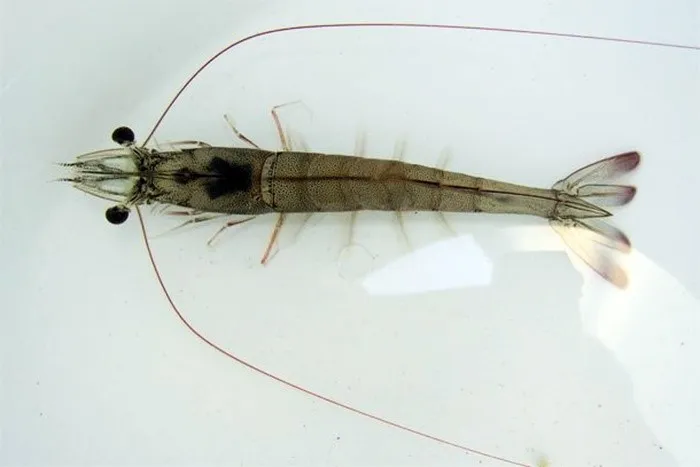
Illustrative image: Kona Bay
Ammonia and nitrite are two of the most important parameters in aquaculture water management because their toxicity can directly affect the survival of aquatic animals and farming productivity.
Therefore, scientists have sought a safe, effective, and simple method to remove ammonia and nitrite from pond water. In a recent study, it was shown that a bacterial strain Sphingomonas sp. LPN080 isolated and screened from shrimp pond water can completely remove both ammonia and nitrite.
What is Sphingomonas?
Kingdom: Bacteria
Phylum: Proteobacteria
Class: Alphaproteobacteria
Order: Sphingomonadales
Family: Sphingomonadaceae
Genus: Sphingomonas
Sphingomonas was identified in 1990 as a rod-shaped bacterium with yellow or white coloration.
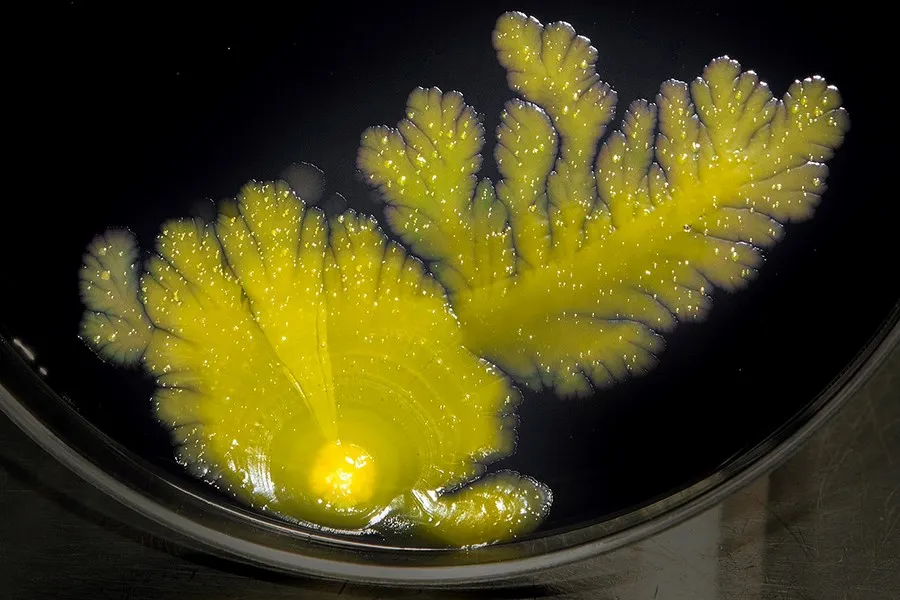
Sphingomonas. Image source: Wikipedia
Sphingomonas has been found in various environments, including aquatic (freshwater and seawater), terrestrial, plant root systems, specimens, sediments, and even in some polluted areas.... Its widespread distribution in the environment is due to its ability to utilize a wide range of organic compounds for growth and survival under low nutrient conditions. Many studies show that Sphingomonas can use pollutants as an energy source, helping them grow and successfully compete with indigenous organisms in various environments.
Ability of Sphingomonas sp. LPN080 to reduce ammonia and nitrite content
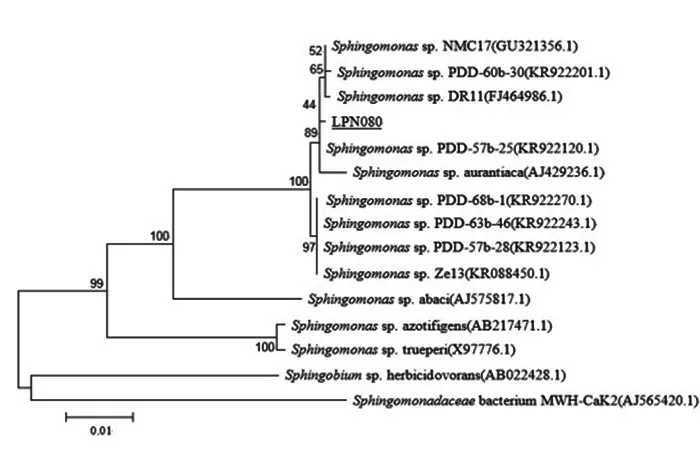
Scientists collected water samples from whiteleg shrimp ponds, performed culturing, isolation, and molecular identification to discover the ability of Sphingomonas sp. LPN080 to control ammonia and nitrite from 20 different bacterial types.
Ammonia conversion ability
After 48 hours of cultivation, the ammonia concentration in the water samples decreased from 8 mg/L to 0.3 mg/L (equivalent to 96%). Meanwhile, the ammonia concentration in the control group remained almost unchanged. Additionally, nitrite concentration was also monitored throughout the process, and the results showed that nitrite concentration was not detected.
Thus, Sphingomonas sp. LPN080 can effectively remove ammonia in a short period without nitrite accumulation. Since no other nitrogen source was reduced in the environment except ammonia, there is only one possibility: Sprialomonas sp. LPN080 can assimilate ammonia into its cellular components.
Nitrite conversion ability
Similar to ammonia, nitrite concentration decreased from 5 mg/L to 0.8 mg/L (equivalent to 81%) in the experimental treatments and remained almost unchanged in the control group. Ammonia concentration was also tested during monitoring, and the results indicated that only very low concentrations of ammonia (<0.1 mg/L) were detected.
Scientists explained that, in this case, nitrite was the sole nitrogen source for the growth of Sphingomonas sp. LPN080. Since nitrite cannot be converted into ammonia by bacteria, nitrite was converted into nitrate, and nitrate was subsequently assimilated by strain LPN080.
Thanks to its ability to remove ammonia and nitrite, the strain Sprialomonas sp. LPN080 can indirectly inhibit the growth of Vibrio spp. in glucose-supplemented water. LPN080 showed high biosafety for whiteleg shrimp Litopenaeus vannamei. All these results demonstrate that Sphingomonas sp. LPN080 has potential economic value in aquaculture and even in wastewater treatment, especially whiteleg shrimp farming wastewater.
Research team: Long Yun, Zonghe Yua, Yinyin Li, Peng Luo, Xiao Jiang, Yushun Tian, Xiongqi Ding. English report published in Aquaculture journal.
NGUYEN THAO (Abstracted)