
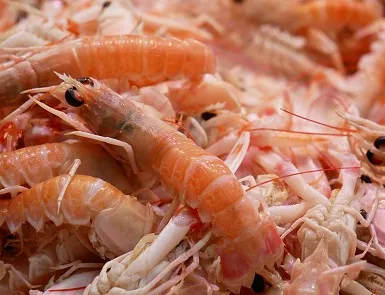
Shrimp farming is a "billion-dollar" industry globally. It contributes approximately half a billion dollars to export earnings, livelihoods, and employment for millions in Bangladesh. Shrimp farming activities are primarily concentrated in Bangladesh and other South Asian countries. White Spot Disease, caused by White Spot Syndrome Virus, has been a major threat to shrimp farming over the past two decades.
Research and development indicate strategies to control WSD, including ensuring biosecurity (e.g., pathogen exclusion from broodstock in hatcheries and farms, no water exchange, water treatment with disinfectants, probiotics, worker hygiene, diet, and feeding management), dietary supplementation with antiviral products, immunostimulants, antibacterial agents, disease prevention, and optimal rearing conditions.
However, implementing these strategies in extensive shrimp farms is very challenging due to a lack of biosecurity, poor rearing conditions, stocking of unverified wild-caught postlarvae, multiple stocking and harvesting cycles, and inconsistent use of supplementary products. The relationship between White Spot Disease, biosecurity, and environmental factors such as temperature, salinity, and farm systems is also mentioned.
Several studies in Asia and elsewhere have evaluated the proportion of postlarvae testing negative for White Spot Virus in intensive ponds (Withyachumarnkul, 1999; Peng et al., 2001) and provided evidence of the benefits of minimizing White Spot Disease-related losses.
This study included 312 farms stocking WSSV-tested postlarvae and 324 farmers stocking untested postlarvae (NT PL) to evaluate the benefits of stocking WSSV-free postlarvae in shrimp farms in Southwest Bangladesh.
This study showed that the average farm area (0.46 ± 0.29 ha), stocking density, and stocking frequency of farmers using WSSV-free postlarvae were significantly lower than those using unverified naturally sourced shrimp postlarvae. Farms using WSSV-tested shrimp were less affected by disease outbreaks compared to farms stocking naturally sourced postlarvae. The average depth in farms using WSSV-free shrimp was lower.
The study results showed that the application rates of lime, inorganic fertilizer, and feed were lower in farms stocking WSSV-free postlarvae compared to NT PL farms. Shrimp survival rates were higher (27% vs. 15%), disease incidence was lower (29% vs. 48%), and shrimp yield in farms stocking WSSV-free postlarvae was higher compared to farms stocking naturally sourced postlarvae (289 kg/ha vs. 195 kg/ha). The gross and total profits of farmers using WSSV-free shrimp postlarvae were significantly higher. Notably, farmers using WSSV-free postlarvae derived gross profit solely from shrimp, while those using naturally sourced postlarvae also depended on other species.
In extensive shrimp production systems, diversified stocking and polyculture appear to be a key strategy. Farmers are affected by low shrimp yields or disease outbreaks. Stocking WSSV-free shrimp is proposed as a solution for a recovery strategy.
The study also highlights why some strict farm-level biosecurity measures, such as single stocking and harvesting, closed systems, and stocking only WSSV-free shrimp postlarvae, cannot be implemented in large-scale farms.
These findings are described in an article titled "Benefits of stocking White Spot Disease-free shrimp (Penaeus monodon) in extensive farms of Bangladesh," recently published in the journal Aquaculture. This work was conducted by Muhammad Meezanur Rahman, Hendrik Jan Keus, Partho Debnath, M.B. Shahrier, Rayhan Hayat Sarwer, Quazi A.Z.M. Kudrat-E-Kabir, C.V. Mohan from WorldFish.
Source:https://sciencetrends.com/white-spot-disease-in-shrimp-how-to-support extensive-shrimp-farmers/
Translated by: Trần Thị Thúy Quyên