Technical Article

PROTECTING SHRIMP WITH NEW RNA NANOVACCINE AGAINST WHITE SPOT SYNDROME VIRUS

The effective protection of a new RNA nanovaccine against White Spot Syndrome Virus in L. vannamei shrimp has been experimentally demonstrated. Concurrently, it also demonstrates the potential of nanoparticle technology to deliver antiviral dsRNA to aquatic animals like shrimp. The nanovaccine is safe, effective, and can be developed to combat various infectious diseases affecting aquaculture.

Research InsightShrimpSeptember 20, 2022👁 44 views
Click to listen to AI-narrated summary (1.2×)
AI Summary

Generate an English summary for PROTECTING SHRIMP WITH NEW RNA NANOVACCINE AGAINST WHITE SPOT SYNDROME VIRUS

AI-generated summary based on the full article content below.

Editorial Framing

Why this article matters

    Full Article
    nanovaccine
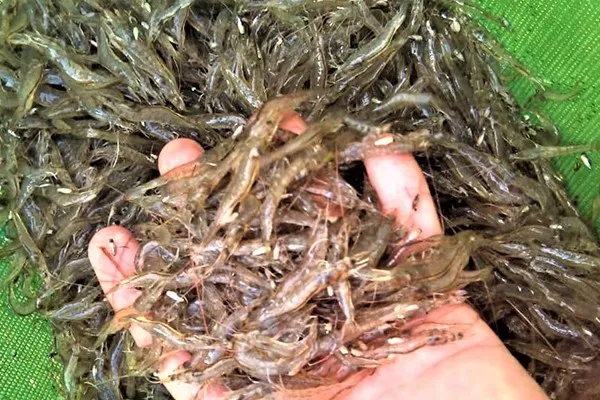
    The effective protective ability of the new RNA nanovaccine against White Spot Syndrome Virus in L. vannamei shrimp has been experimentally proven. This also demonstrates the potential of nanoparticle technology to deliver antiviral dsRNA to aquatic animals such as shrimp. The nanovaccine is safe, effective, and can be developed to combat various infectious diseases affecting aquaculture. Photo by Fernando Huerta.

    White Spot Syndrome Virus (WSSV) is a shrimp pathogen causing significant global economic losses, destroying 1/10 of farmed shrimp production (approximately 1 billion USD) annually. Shrimp infected with WSSV cannot withstand the pathogen within two to seven days, with mortality rates reaching up to 100%. Developing safe and effective disease intervention approaches is crucial, and in this regard, vaccination strategies such as inactivated viruses, subunit antigens, and DNA-based vaccines against WSSV have shown promise at the laboratory scale. However, limitations – such as variable efficacy, high production costs, and limited practical applicability – require further research.

    RNA interference (RNAi) in invertebrates is a cellular antiviral mechanism whereby activators, such as double-stranded RNA (dsRNA) or small interfering RNA (siRNA), block viral gene expression. These dsRNAs have been tested in various settings, such as crop pest control, next-generation mosquito control, and vaccine development. In aquaculture, the concept of RNAi-based vaccines has been advocated for several reasons:

    • RNAi acts as an antiviral immune response in shrimp
    • It is considered a pathogen
    • It generates a long-lasting protective immune response.

    Previous studies have shown that dsRNA-based vaccines are non-toxic, effective, and provide protection against a high viral load of WSSV (which can be lethal to shrimp). However, in all the applications mentioned above, the main challenge for the development of dsRNA-based vaccines from discovery to product and practical application is their environmental stability and production cost.

    Although nanomedicine has made significant contributions to human health, its use in promoting animal health is still in its infancy. One of the primary concerns for livestock vaccines is that they should not cause any adverse effects on farming outcomes.

    Nanoparticles can affect the tissue biodistribution and survival of Pacific white shrimp. Nanoparticles, after being introduced into the body, were already present in the intestine; within two hours, they were also found in the stomach, hepatopancreas, cephalothorax, and gill tissues. It is important to note that gills are one of the target organs for several viral pathogens such as Taura Syndrome Virus, Yellow Head Virus, and WSSV. Therefore, the presence of nanoparticles in the gills could potentially contribute to protection against diseases caused by these viruses.

    DsRNA-based vaccines can be effectively used against several shrimp viruses; however, developing appropriate delivery strategies to introduce the medication into the shrimp's body is a major challenge. Oral administration (mixed into feed) has been the most common vaccine delivery method to date. Nanovaccines not only increase shrimp survival but also reduce WSSV replication experimentally.

    This finding could have significant implications in this field, as it is known that horizontal WSSV transmission in shrimp ponds can occur through direct contact with infected dead shrimp, i.e., cannibalism, or through indirect waterborne transmission. Therefore, regardless of the transmission route, reducing the viral load can contribute to decreasing the spread of WSSV by lowering the available viral dose.

    Tan Phat – summarized and translated from an article by Lyric C. Bartholomay on GSA.

    Related Products

    Products linked to this topic

    Product reference for MAX 4000
    shrimpThần Vương Blue

    MAX 4000

    Vi sinh đặc hiệu khử NO2

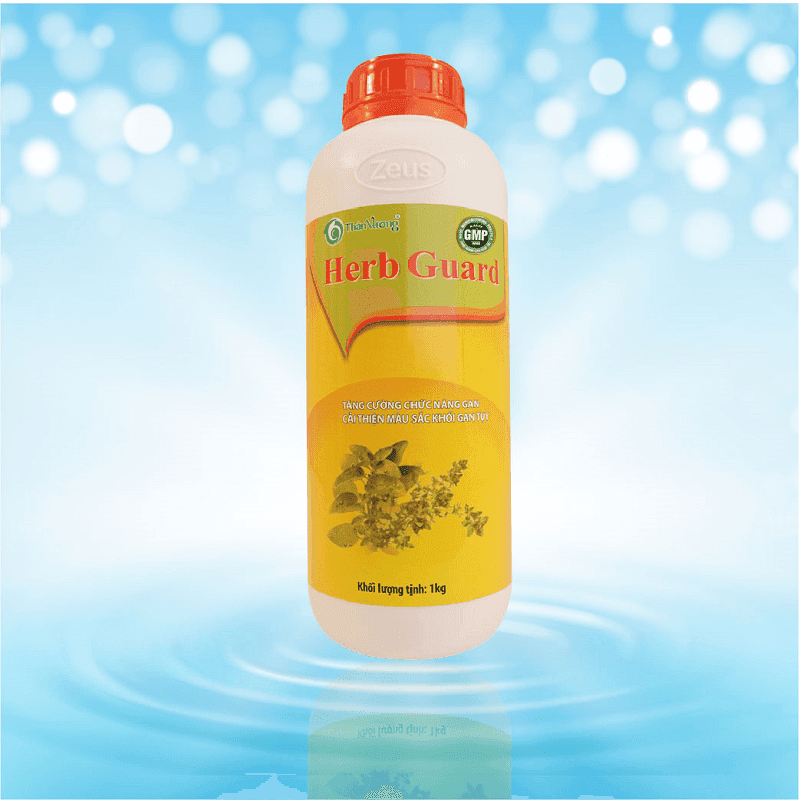
    Product reference for HERB GUARD
    shrimpThần Vương Blue

    HERB GUARD

    Tăng cường chức năng gan, cải thiện màu sắc khối gan tụy

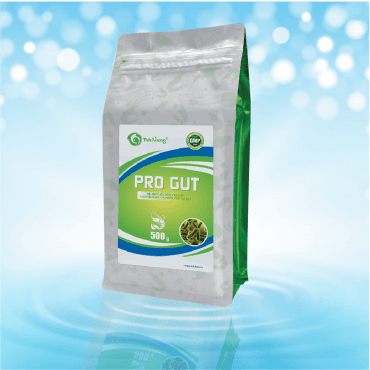
    Product reference for PRO GUT
    shrimpThần Vương Blue

    PRO GUT

    Hệ men tiêu hóa cao cấp chuyên dùng cho nuôi tôm ao bạt

    Product reference for LALSEA BIOREM
    allNguyên liệu

    LALSEA BIOREM

    Khử NH3, xử lý hữu cơ sinh học, hiệu quả ở độ mặn cao

    More Reading

    Related technical articles

    SỰ THAY ĐỔI CỦA HỆ VI SINH ĐƯỜNG RUỘT DO SỰ NÓNG LÊN TOÀN CẦU. ĐIỀU HÒA SỨC KHỎE VẬT CHỦ VÀ TÌNH TRẠNG BỆNH Ở ĐỘNG VẬT BIẾN NHIỆT
    Research InsightShrimpFebruary 28, 2026

    CHANGES IN GUT MICROBIOTA DUE TO GLOBAL WARMING. REGULATING HOST HEALTH AND DISEASE STATUS IN POIKILOTHERMIC ANIMALS

    Tóm tắt nội dung chính: Sự nóng lên toàn cầu làm thay đổi hệ vi sinh vật đường ruột của tôm thẻ chân trắng Thái Bình Dương bằng cách[...]

    Toàn cảnh thị trường tôm thế giới 2025 — Dữ liệu từ Shrimp Insights (Tháng 2/2026)
    Technical articleShrimpApril 9, 2026

    Global Shrimp Market 2025 Overview — Shrimp Insights Bulletin February 2026

    Tổng hợp thị trường tôm thế giới 2025: Ecuador dẫn đầu xuất khẩu (1.39M tấn, +15%), EU tăng nhập khẩu mạnh nhất (+21%), Mỹ biến động[...]

    CÁ HỒI TRONG ĐIỀU KIỆN STRESS: CỦNG CỐ TUYẾN PHÒNG THỦ ĐẦU TIÊN
    Solution TrackShrimpFebruary 27, 2026

    SALMON UNDER STRESS CONDITIONS: REINFORCING THE FIRST LINE OF DEFENSE

    As the aquaculture industry increasingly develops strategies for animal health protection, functional nutrition has become a key fac[...]

    Technical Advisor

    Aquaculture Q&A

    🦐

    Help us serve you better

    Share your name + phone so we remember your pond next time — no repeating yourself.

    • 🔒 Tech team only — never shared with third parties
    • 📨 No spam, no promotional SMS
    • 💾 History saved on your device — clear anytime