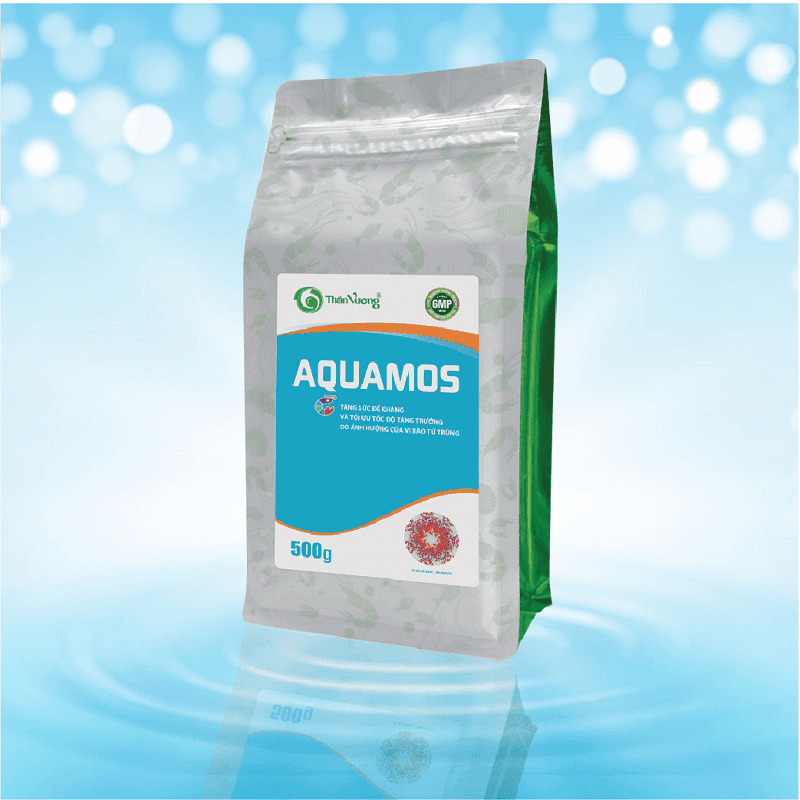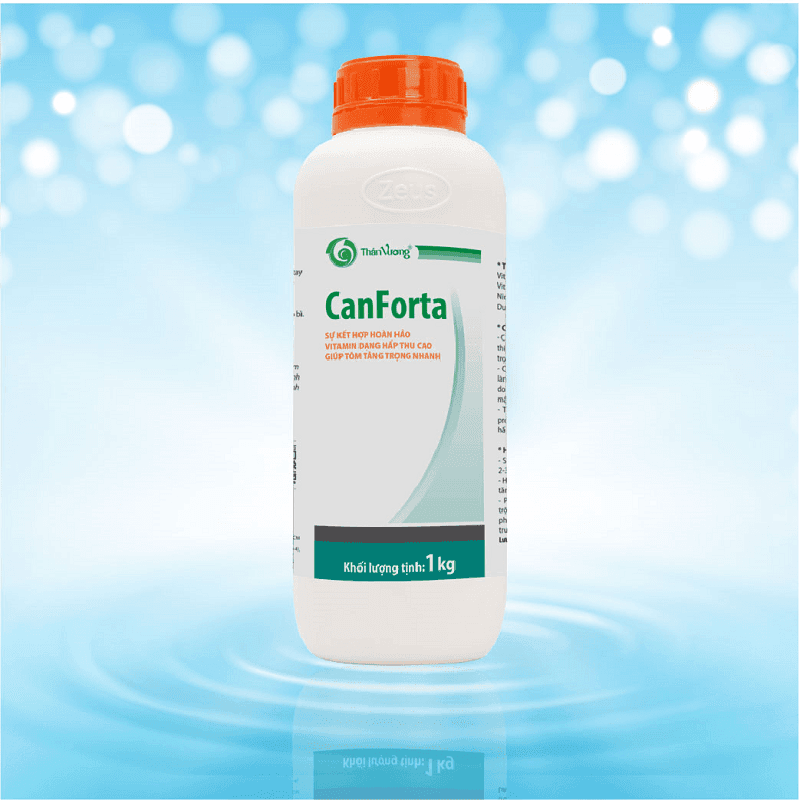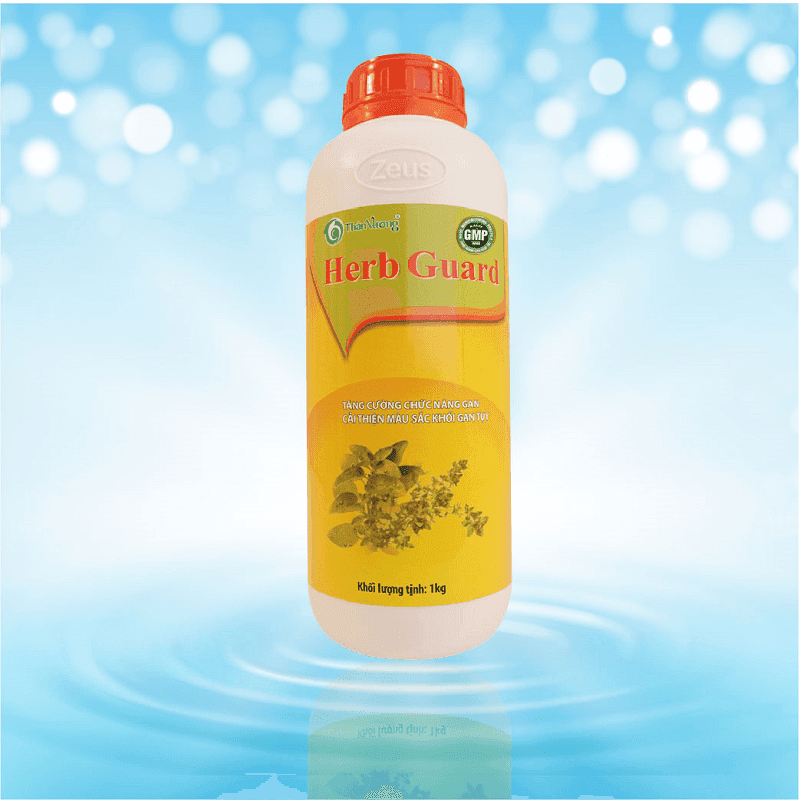
The hepatopancreas is the most important and multi-functional organ in shrimp, performing roles such as: digestion – nutrient absorption, immunity, hematopoiesis, detoxification, and energy storage. When the hepatopancreas is damaged, shrimp will grow slowly, or even die en masse. Dangerous diseases such as Acute Hepatopancreatic Necrosis Disease (EMS/AHPND/HPNS) and White Spot Syndrome are very difficult to prevent and control, becoming the biggest risk factors in the shrimp farming industry, causing serious economic losses.
Besides diseases, other factors that reduce success rates include: adverse weather, poor quality postlarvae, and water environment degradation. However, protecting the hepatopancreas throughout the entire culture cycle is the core factor for improving shrimp health, enhancing disease resistance, and increasing farming productivity.
1. Acute Hepatopancreatic Necrosis Disease (EMS / AHPND / HPNS)
Causes: Conditional bacteria (especially virulent strains of Vibrio parahaemolyticus), toxic physicochemical factors, and toxic algae. However, the root cause lies in the imbalance of the pond ecosystem: a weak ecosystem, poor stress resistance, and uncontrolled conditional bacteria and toxic algae. The stocking density per unit of time exceeds the pond's carrying capacity, and harmful substances are not removed promptly.
Treatment and Prevention Methods: Using antibiotics when hepatopancreatic necrosis has already occurred is largely ineffective, and can even worsen the situation due to the release of endotoxins. Ecological prevention is the most sustainable and effective approach.
Successfully applied strategy: Anti-stress - Disinfection - Bottom remediation - Water management + Probiotic supplementation
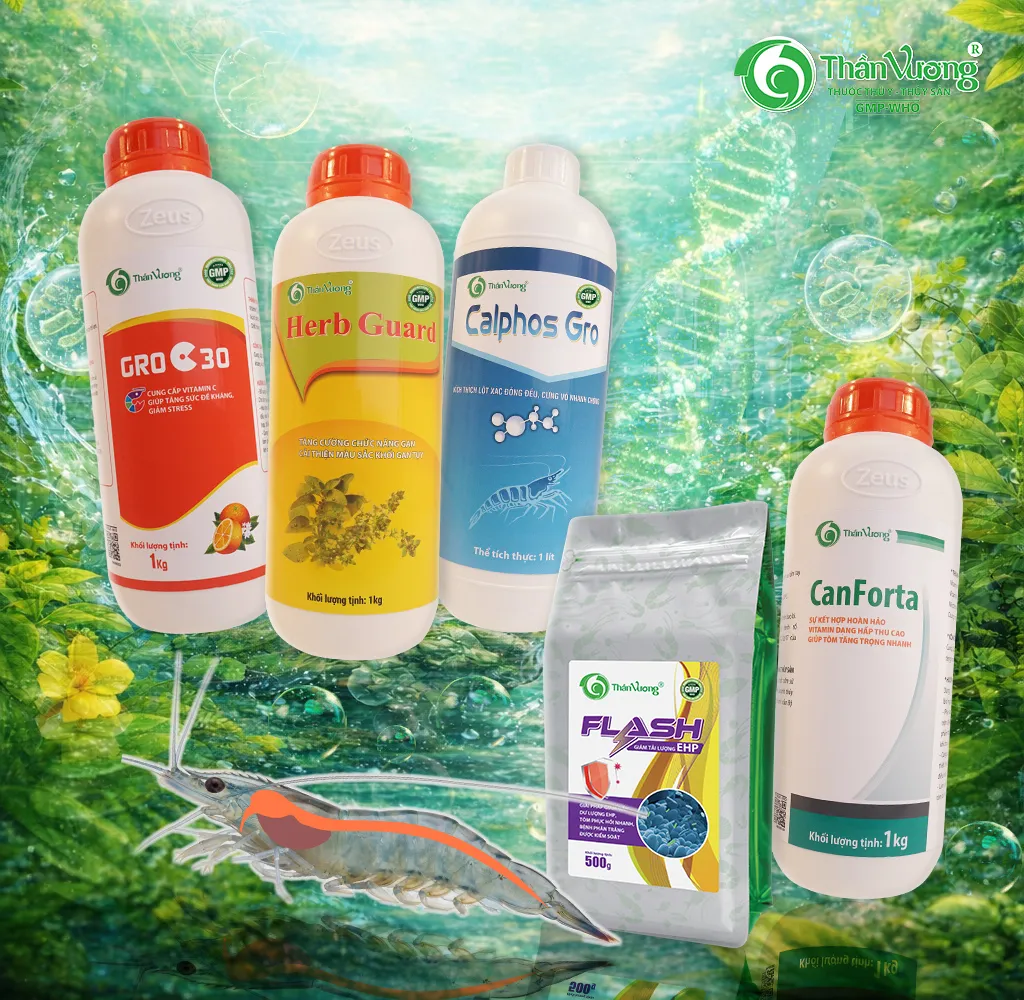
Disinfection helps eliminate most pathogenic bacteria and old probiotics, but it causes significant stress to shrimp. Therefore, before disinfection, it is necessary to use Vitamin C + Calcium gluconate (such as Calphos Gro) to reduce stress. After disinfection, focus on bottom remediation, promoting new algal growth, and supplementing with new probiotics to enhance the algae's nutrient absorption and detoxify harmful substances. This re-establishes a balanced and effective ecosystem, successfully preventing and treating hepatopancreatic necrosis.
2. Daily Hepatopancreas Protection
The hepatopancreas is the primary detoxification organ in shrimp. When shrimp enter the rapid growth phase, the amount of harmful bacteria and organic matter in the pond increases, and the hepatopancreas bears immense detoxification pressure to break down and metabolize toxins in the body.
Due to performing too many functions (digestion, absorption, energy storage, immunity, detoxification), the hepatopancreas is very susceptible to damage. Any external environmental stress, pathogen invasion, digestive overload, or nutritional deficiency can lead to a "fatigued" hepatopancreas, resulting in slow growth or mortality.
Hepatopancreas protection must be carried out continuously throughout the culture cycle. Effective prevention of hepatopancreatic diseases will help increase resistance, reduce disease incidence, and thus naturally improve farming efficiency.
3. Hepatopancreas Protection during the "Hepatopancreas Transition" Phase (Hepatopancreas Development Phase)
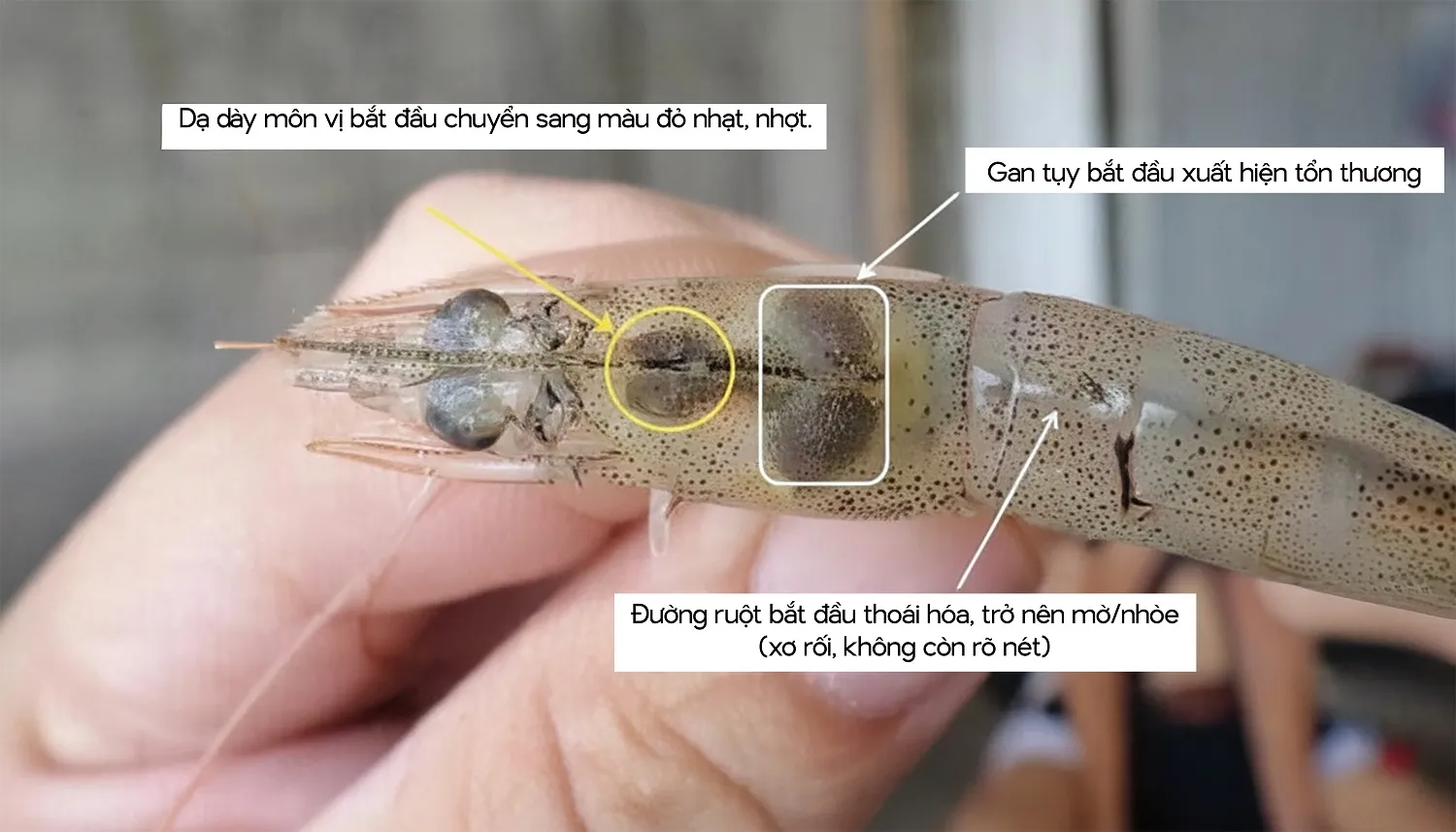
This is a phase of rapid hepatopancreas development and functional transition, making it highly susceptible to diseases. In healthy shrimp, the hepatopancreas will be fully developed, with sharp edges, a silvery surface, and a color gradually transitioning to brown or grayish-blue.
Many farmers, due to crude stocking techniques, poor management, or environmental impacts, experience incomplete hepatopancreas transition. Many also overlook checking the hepatopancreas in the early stages, leading to delayed protection and long-term hepatopancreatic damage.
Early protection during the initial culture phase is crucial for normal hepatopancreas development. Using Vitamin C + herbal extracts and phytobiotics (such as Herb Guard) (with strong detoxifying effects) combined with Vitamin B (such as Canforta) at appropriate dosages will support a smooth hepatopancreas transition.
4. Hepatopancreas Protective Effects of Herbal Extracts (Phytogenic Feed Additives)
Natural herbal extracts (phytogenics) have been scientifically proven by numerous studies to be effective, safe, sustainable alternatives that reduce the risk of antibiotic resistance. They provide antibacterial, anti-inflammatory, antioxidant, and immune-boosting effects, protect hepatopancreatic structure, and prevent endotoxins from pathogenic bacteria such as Vibrio parahaemolyticus (causing AHPND/EMS/HPNS).
Key herbal extracts:
- Turmeric (Curcuma longa - curcumin): Possesses strong antibacterial activity, inhibiting Vibrio growth and preventing biofilm formation. A study by Quiroz-Guzmán et al. (2022, Journal of Applied Microbiology) showed that supplementing 2% of a Curcuma longa + Lepidium meyenii (maca) mixture in feed significantly increased the survival rate of whiteleg shrimp (85%) after challenge with AHPND-causing Vibrio parahaemolyticus, compared to the control group (50-55%). This efficacy is due to the combination of antibacterial action against Vibrionales and the promotion of a balanced gut microbiota.
- Ginger (Zingiber officinale - shogaol and gingerol): Strongly inhibits Vibrio parahaemolyticus biofilm (in vitro and in vivo). Studies by Soowannayan et al. (2019) and recent works (Aquaculture International, 2025) show that ginger supplementation helps protect the hepatopancreas, enhance immunity, improve gut and hepatopancreas structure, and reduce mortality rates during infection. Ginger also aids digestion, acts as an anti-inflammatory, and promotes growth.
- Garlic (Allium sativum - allicin): Broad-spectrum antibacterial, protects the hepatopancreas, and increases resistance. Studies by Huang et al. (2022) and other reports demonstrate that garlic improves non-specific immune responses and increases resistance against Vibrio. Garlic extract is often mixed with feed (10-15g/kg) to prevent intestinal diseases, white feces syndrome, and hepatopancreatic necrosis, and to reduce Vibrio bacterial load.
- Other common herbal extracts:
Du zhong leaves (Eucommia ulmoides): Possess broad-spectrum antibacterial effects, enhance immunity, and protect the hepatopancreas. Studies on shrimp and fish (e.g., Lu et al., 2023, Fishes) show that supplementing Eucommia ulmoides extract improves hepatopancreatic structure, increases immune enzymes, and enhances resistance to toxic stress.
Chanca piedra (Phyllanthus urinaria): Protects the liver, supports hepatitis treatment, and has antibacterial and antifungal properties (evidenced by traditional studies and aquaculture applications).
Essential oil mixture (oregano, thyme, cinnamon, cloves): Increases Vibrio resistance, improves hepatopancreatic structure, and balances the microbiota; studies on phytobiotic-based additives like FLASH show improved hepatopancreatic morphology, increased immune enzyme activity, and reduced Vibrio load after challenge).
In summary: Focusing on hepatopancreas protection – especially through ecological pond management and appropriate supplementation with supportive substances like herbal extracts – is a key solution to increase survival rates, reduce disease risks, and move towards sustainable, highly efficient shrimp farming.
Reference: Kaliaperumal Alagu
THẦN VƯƠNG – SHARING OPTIMAL SOLUTIONS
Thần Vương accompanies farmers with science, transparency, and sustainable values.