Information about shrimp gut
- The shrimp gut is also a crucial part of the body.
- However, for shrimp, the structure of the gut is very simple, making it highly susceptible to the external environment (bacteria, algal toxins, toxins from feed).
- In summary, the shrimp digestive system and hepatopancreas are very simple and easily affected (hepatopancreatic-related issues develop very quickly).
Signs of shrimp gut disease
Shrimp reduce feed intake, long, stringy feces attached to the tail.
Loose feces (visible when observing shrimp in a cast net).
White feces (floating on the water surface).
Discontinuous gut (gut not full of feed).
Abnormal gut color, abnormal fecal color (yellowish, reddish-brown, white).
Causes of shrimp gut disease
- There are many different causes of disease related to the water source at the time of intake, feed, pond bottom environment, season, weather, salinity, or poisoning due to ingesting dinoflagellate or blue-green algae remains, deteriorated pond environment, and many other objective causes.
- The main causes are still Vibrio sp. strains, which invade and attack the gut, or bivalve mollusks such as clams, mussels, etc.
+ Parasites in the gut: Gregarine, ATM, microsporidian EHP.
+ Secrete toxins that damage the intestinal lining (enteritis).
+ Shrimp reduce feed intake, cannot eat (discontinuous, empty gut).
+ Increases susceptibility to other opportunistic diseases.
Most of the issues listed above affect the digestive system and gut health of shrimp.
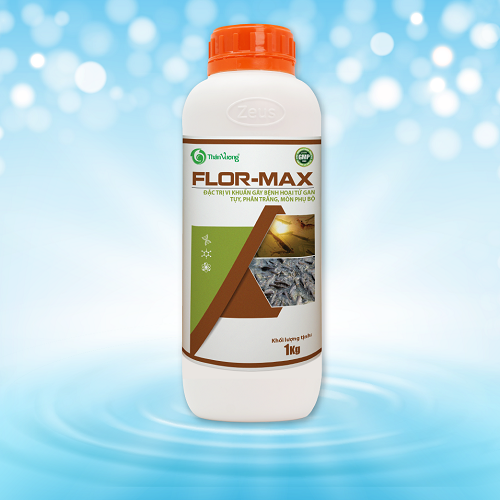
FLOR MAX's main ingredient is Florfenicol, a fast-acting antibiotic that causes less drug resistance, and has no side effects on livestock and humans. A major advantage of Florfenicol antibiotics currently is their sensitivity to pathogenic bacteria strains caused by the Vibrio sp. group, especially white feces disease.
Mechanism of action of Florfenicol antibiotic
Florfenicol has activity against bacterial growth by preventing peptide bonds between amino acids, thereby inhibiting protein synthesis, rendering bacteria unable to grow and survive.
Florfenicol is less resistant than other generation antibiotics in the phenicol group because florfenicol contains a fluorine atom at the C3 position, which can resist the transmission of antibiotic resistance-causing plasmids in pathogenic bacteria.
An indispensable note in the process of treating gut disease is to adjust the environment: disinfect pond water, change water, and re-seed high-dose probiotics. Re-establishing a good environment for farmed shrimp at this time will be a great advantage for achieving the most optimal treatment effectiveness.
Contraindications
Animals sensitive to any component of the drug.
Instructions for use
For shrimp:
- Specifically treats Vibrio spp bacteria causing hepatopancreatic necrosis, white feces, appendage erosion, etc., common in shrimp, and early mortality syndrome.
- Treats symptoms of hepatopancreatic swelling, liver atrophy, loose gut, and adjusts shrimp hepatopancreas color. Fast-acting and causes less drug resistance during treatment.
Prevention: 2 - 3 ml/kg feed. Continuously for 3 - 4 days/course.
Treatment: 3 - 5 ml/kg feed. Continuously for 5 - 7 days.
- Mix the product with sufficient clean water, thoroughly blend into the feed, coat with an appropriate binder, and let dry for 20 minutes before feeding shrimp.
Note: Dosage may vary depending on actual conditions and the severity of infection in the pond.
For fish:
Dosage:
- Fish under 2 months old: 1 liter/15 – 20 tons of fish or 1 liter/1,000 – 1,400 kg of feed.
- Fish over 2 months old: 1 liter/20 tons of fish or 1 liter/600 – 1,000 kg of feed.
Method of use: Mix into feed, once daily, continuously for 7 – 10 days.
Mix the required amount of medicine with approximately 20% of the daily feed and ensure all fish consume the medicine. If using pelleted feed, dissolve in clean water with a sufficient amount of water (1 liter of water/6 – 7 kg of pelleted feed), then evenly spray onto the feed. Let the feed air dry for 30 minutes before feeding fish.