
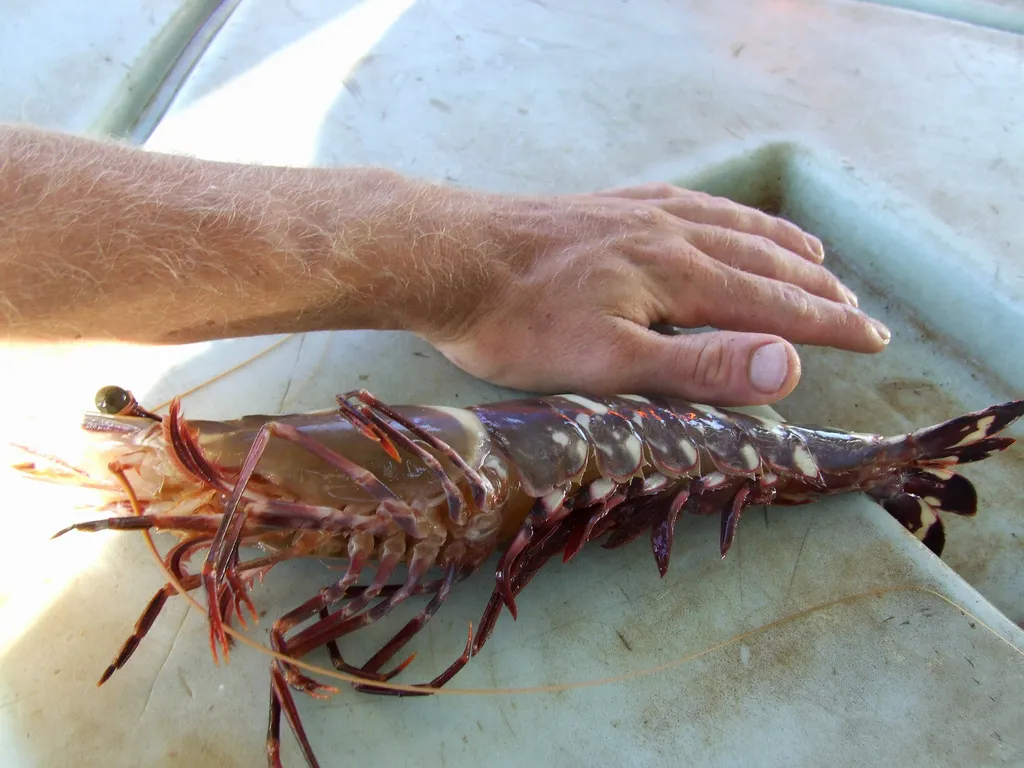
Black tiger shrimp (Penaeus monodon) is a highly valuable aquaculture species. Before whiteleg shrimp (Litopenaeus vannamei) was introduced to Vietnam, black tiger shrimp was the main farmed species in the aquaculture industry. Due to its lower productivity compared to whiteleg shrimp, black tiger shrimp gradually lost its position.
According to the Directorate of Fisheries, Vietnam's brackish water shrimp farming area in 2021 was 747,000 ha, of which black tiger shrimp farming area was 626,000 ha, and whiteleg shrimp farming area was 121,000 ha. The brackish water shrimp production in 2021 reached 970,000 tons, of which black tiger shrimp production was 265,000 tons and whiteleg shrimp was 665,000 tons, with the remainder being other shrimp species. The farming area was 5 times larger, but the production was only 1/3, which is why many farmers began to abandon black tiger shrimp farming and switch to whiteleg shrimp.
On the other hand, issues related to broodstock selection and genetic selection for black tiger shrimp have not received as much attention and investment as for whiteleg shrimp. Each year, about 100 - 120 billion whiteleg shrimp postlarvae are sold, but the number for black tiger shrimp is only about 30 - 35 billion. Long culture periods, low profit per unit of land, and the inability to practice super-intensive farming are factors that have caused black tiger shrimp to gradually lose ground and yield to whiteleg shrimp over the past decade.
However, black tiger shrimp still possesses its own advantages, coupled with the evolving shrimp market situation that is stimulating greater consumption of black tiger shrimp, it is highly probable that in the near future, black tiger shrimp will reclaim its rightful position in the aquaculture market.
Sustainable Ecological Shrimp
Vietnam needs to maintain its strength in black tiger shrimp, especially ecological black tiger shrimp, organic black tiger shrimp, and shrimp-mangrove systems. Farming black tiger shrimp using these methods ensures the complete safety of water sources and the environment. Master Nguyen Huu Thien, an independent research expert on Mekong Delta ecology, stated: “If we compare ecological shrimp farming systems with intensive shrimp farming systems, we will see significant implications. Intensive and semi-intensive systems are not independent; they rely on external feed, which can lead to water pollution issues. Ecological shrimp farming systems, however, develop independently and produce their own food, thus not affecting the water environment.”
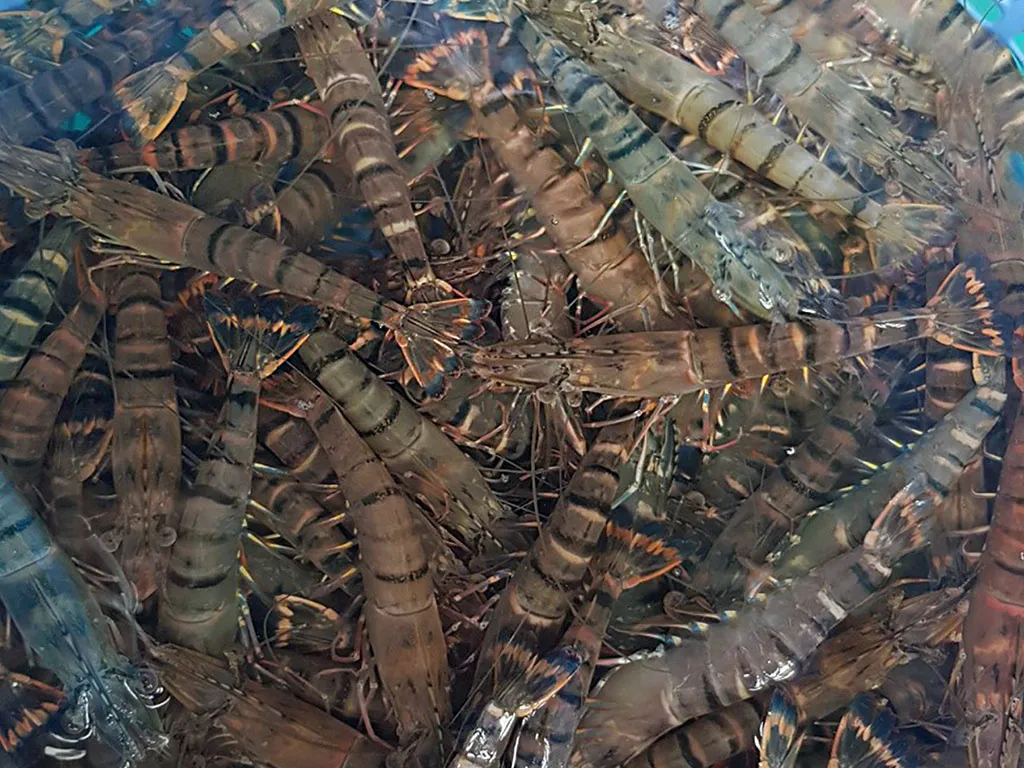
Not only in the Mekong Delta, but recently some northern provinces have also started farming black tiger shrimp using this model and have achieved quite high efficiency: 17 - 20 tons/ha. In terms of productivity, it clearly cannot be compared with semi-intensive and intensive farming models, but the value of ecological black tiger shrimp is much higher. One of the brands recognized with a geographical indication is Ca Mau black tiger shrimp, which helps enhance the value and quality of Vietnamese black tiger shrimp in the global market.
Leading Position in Black Tiger Shrimp Production
In recent years, Vietnam's shrimp exports have gradually lost their leading position to Ecuador due to the impact of the Covid-19 pandemic. While this is the general situation, Vietnamese black tiger shrimp remains a top choice for Western countries. Vietnam has an advantage in certifications for ecological black tiger shrimp and organic black tiger shrimp, which have established a market presence. According to businesses, black tiger shrimp still has a very good market, with about 20% of global shrimp consumers still preferring black tiger shrimp, even though its price is much higher than whiteleg shrimp.
Black tiger shrimp has a large size, delicious meat quality, and is favored by many, with stable domestic and international market demand, and most importantly, it faces less competition, with prices consistently high.
The natural conditions of climate, soil, and water sources in Vietnam are perfectly suitable for producing black tiger shrimp of the best quality in the world.
New Genetic Breakthroughs
Although there haven't been many studies on the selection and domestication of black tiger shrimp broodstock in Vietnam, many countries worldwide have done so, notably Thailand. Several other countries are also embarking on genetic technology research for black tiger shrimp, including Bangladesh, Ecuador, and have achieved certain successes.
Recent genetic advancements are being heralded as game-changers for the black tiger shrimp (Penaeus monodon) farming industry, potentially bringing a welcome resurgence to an industry that has lagged far behind whiteleg shrimp over the past decades.
With the advantage of broodstock genetic resources already possessing excellent traits, such as Rach Goc black tiger shrimp, selecting new generations with fast growth, good disease resistance, and suitability for semi-intensive farming in Vietnam will not require much time and effort.
Conclusion
Hopefully, with its unique advantages, the black tiger shrimp industry will see new developments. There are still challenges regarding broodstock, farming area, farming techniques, etc., but they are not insurmountable. The black tiger shrimp industry needs further strong investment and development to live up to Vietnam's leading market position.
Hoàng Tấn Phát