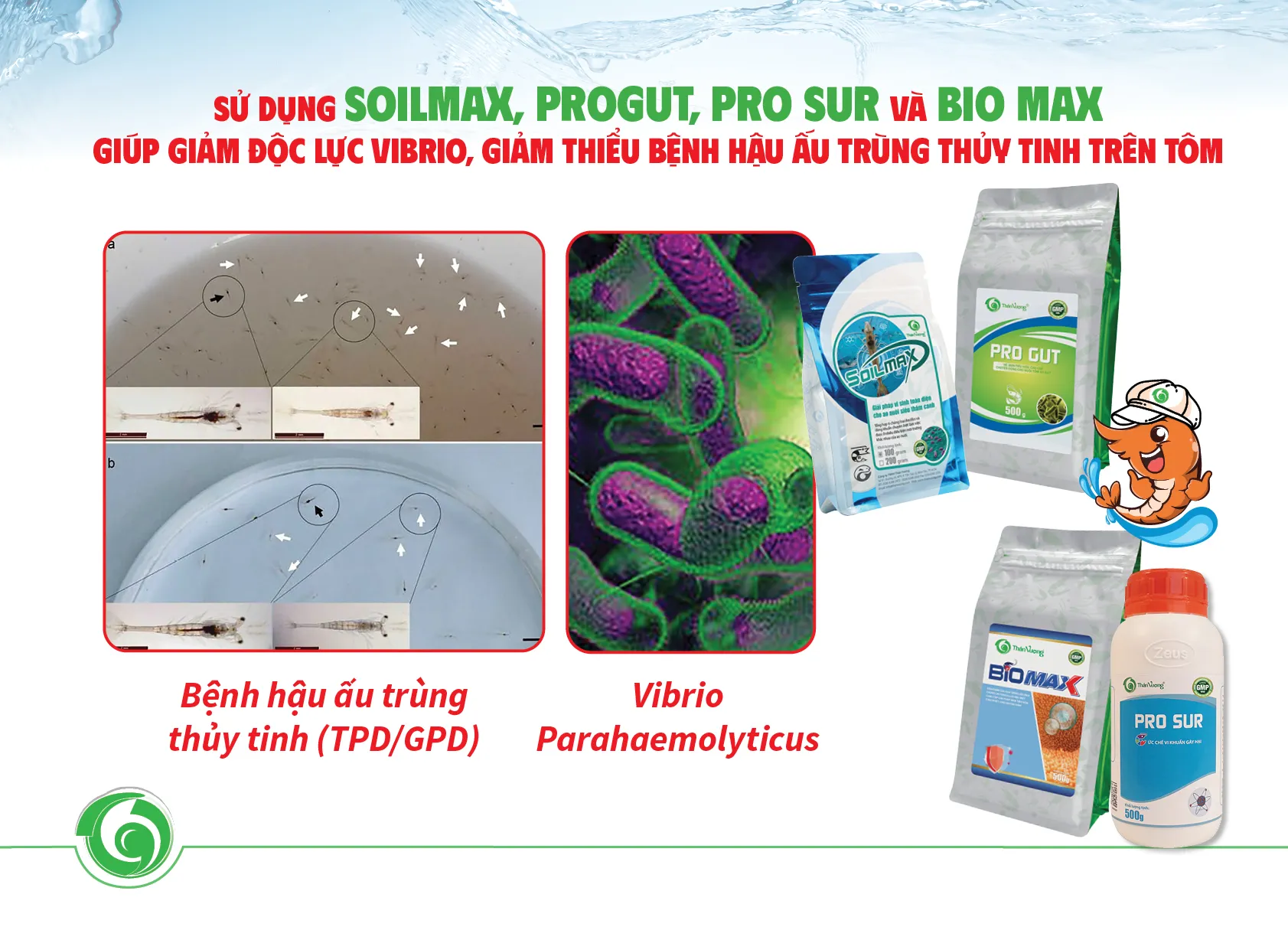
Learn more about TPD/GPD disease
- TPD/GPD disease is caused by Vibrio parahaemolyticus.
- Vibrio parahaemolyticus is a Gram-negative, aerobic bacterium that causes dangerous diseases in whiteleg shrimp, especially during the post-larval stage. This bacterium can survive in water, feed, farming equipment, etc., and cause disease in shrimp.
- VHVP-2 Virulence Protein (Vibrio Hemorrhagic Septicemia/Pulmonary Disease Protein. This is a highly virulent protein produced by Vibrio parahaemolyticus bacteria, encoded by the vhvp-2 gene located on the 187,892-bp plasmid of the VpTPD genome) is the main virulence factor of Vibrio parahaemolyticus causing glassy post-larval disease in shrimp.
- Disease signs:
- Shrimp stop eating, swim sluggishly, and react slowly to external stimuli.
- Shrimp gills are swollen and pale yellow.
- Intestine degenerates like glass, stomach is empty.
- Hepatopancreas is necrotic and pale.
- Shrimp body becomes white and translucent, with muscle atrophy.
- Shrimp die at post-larval stage 4 – post-larval stage 5 in hatcheries and during the first 5 – 7 days of commercial shrimp farming. In some cases, commercial shrimp die between days 5 – 20.
- To prevent and treat TPD/GPD disease, shrimp farmers often use measures such as:
- Select healthy shrimp post-larvae.
- Properly prepare the pond.
- Use quality feed.
- Periodically change pond water.
- Use disease prevention medicine.
-
Bathe shrimp with TetraMax before stocking (Use a 1m3 drum or tank, bathe shrimp with TetraMax at a concentration of 250g/m3 for 10 – 15 minutes, then transfer to the pond).
-
Additionally, high-quality probiotics should be used to balance the shrimp's gut-hepatopancreas microbiota, thereby increasing shrimp immunity and helping them stay healthy.
- The use of Lactic-producing microbial strains to control highly virulent Vibrio, aiming to reduce the impact of glassy post-larval disease TPD/GPD in commercial shrimp, is a new approach that has been researched and applied by many scientists.
Mechanism of Vibrio inhibition by Lactic-producing microbial strains:
- Nutrient competition: Competition from Lactic-producing microbes with Vibrio can reduce the growth and reproduction capacity of this bacterium.
- Adhesion to shrimp intestinal wall, forming a biofilm to protect the shrimp intestine: The biofilm created by Lactic-producing microbes can protect the shrimp intestinal wall from Vibrio invasion.
- Production of antimicrobial substances: Some Lactic-producing microbes can produce antimicrobial substances, such as bacteriocin, lactic acid, hydrogen peroxide,... These antimicrobial substances can kill or inhibit the growth of Vibrio.
- Enhancing shrimp immunity: Lactic-producing microbes can help enhance shrimp immunity by stimulating the shrimp's immune system. This helps shrimp resist Vibrio invasion and disease.
Advantages of using Lactic-producing microbes to control TPD/GPD disease:
- High efficacy, safety, and sustainability.
- Reduced chemical use, environmental protection.
- Brings economic benefits to shrimp farmers.
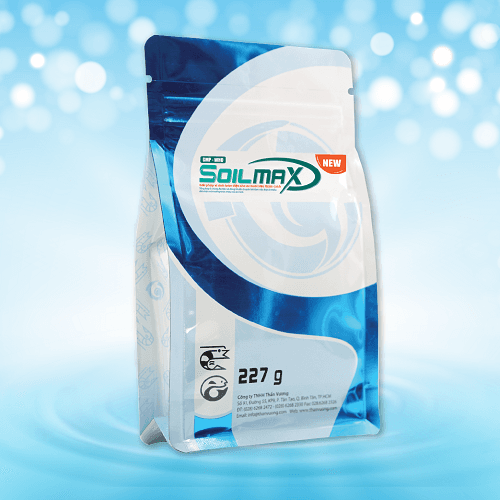
SOILMAX, PROGUT, PROSUR, and BIOMAX are microbial products used in shrimp farming to control pathogenic bacteria (both in the environment and within the shrimp's body), especially Vibrio parahaemolyticus which causes glassy post-larval disease TPD/GPD.
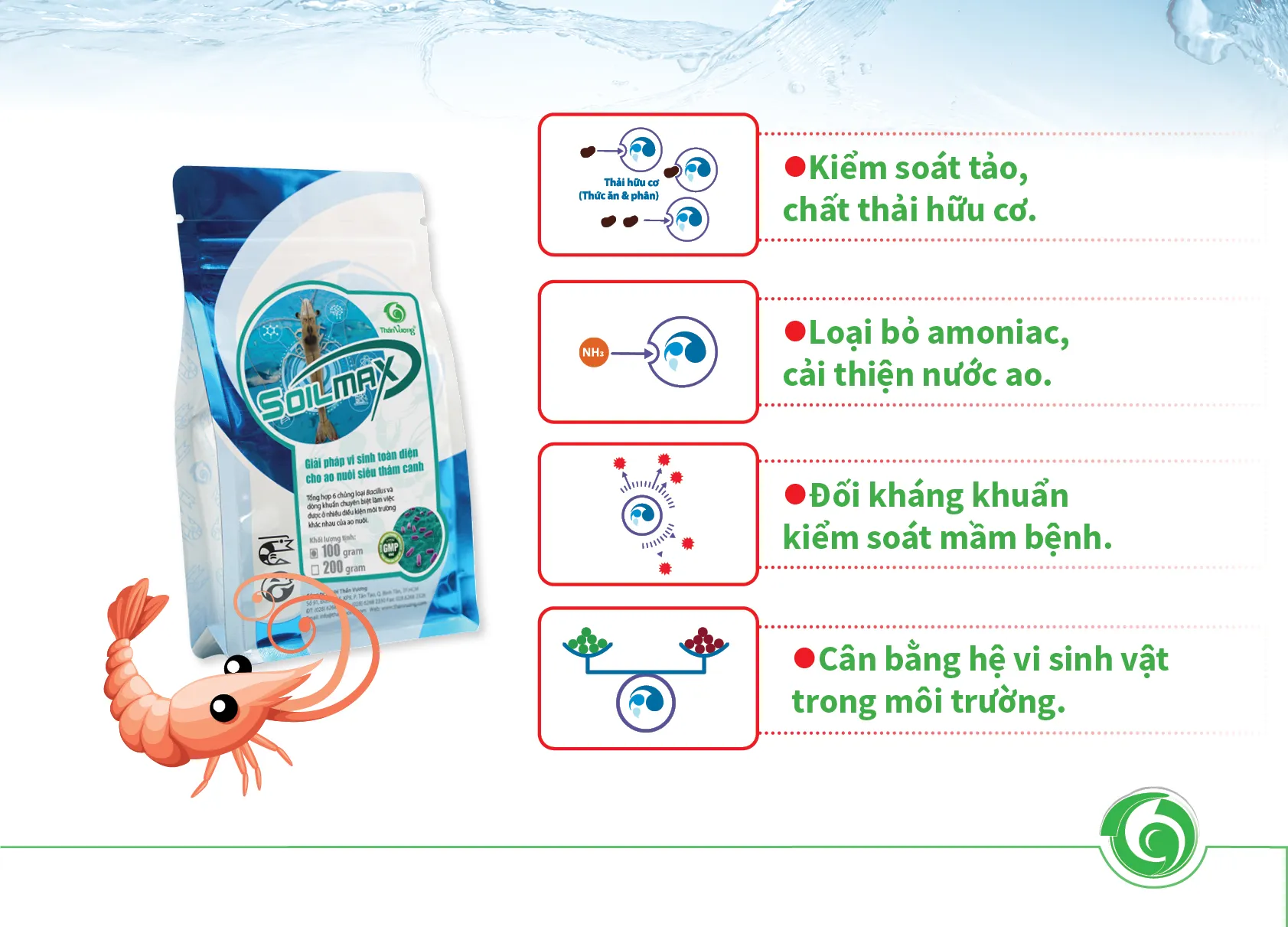
SOILMAX
SOILMAX is a multi-strain microbial product for water treatment and environmental balance. The product includes 5 Bacillus strains that perform well in various environments, even in saltwater. The microbial system in SOILMAX creates environmental balance, inhibiting harmful bacteria for shrimp.
Specifically, the Pediococus acidilactici strain in SOILMAX has the ability to produce powerful antibacterial lactic acid, which can inhibit the growth of Vibrio strains, including Vibrio parahaemolyticus causing TPD/GPD disease.
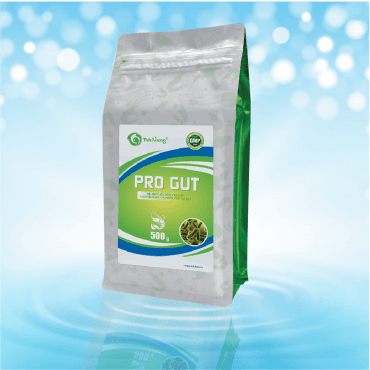
PROGUT
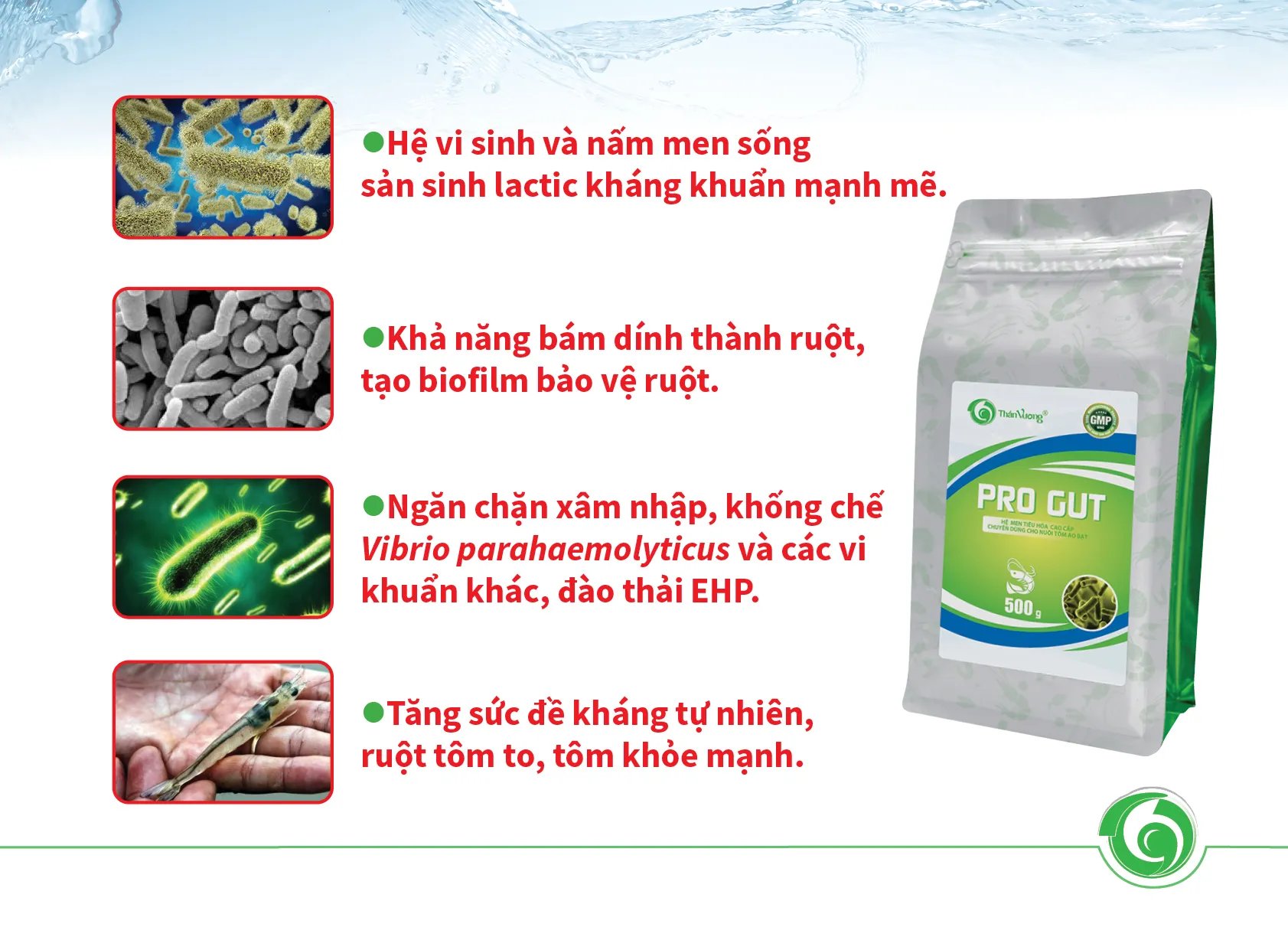
PROGUT is a live microbial – yeast system that protects the shrimp gut. The product includes the following characteristics:
- Saccharomyces cerevisiae: This microbial strain can produce antimicrobial substances, helping to inhibit the growth of Vibrio parahaemolyticus and other pathogenic bacteria.
- The yeast system can adhere to the shrimp intestinal wall, forming a biofilm to protect the shrimp intestine.
- Additionally, other Lactic bacterial strains such as Lactococcus lactis, Enterococcus faecalis,... also have the ability to control highly virulent Vibrio.
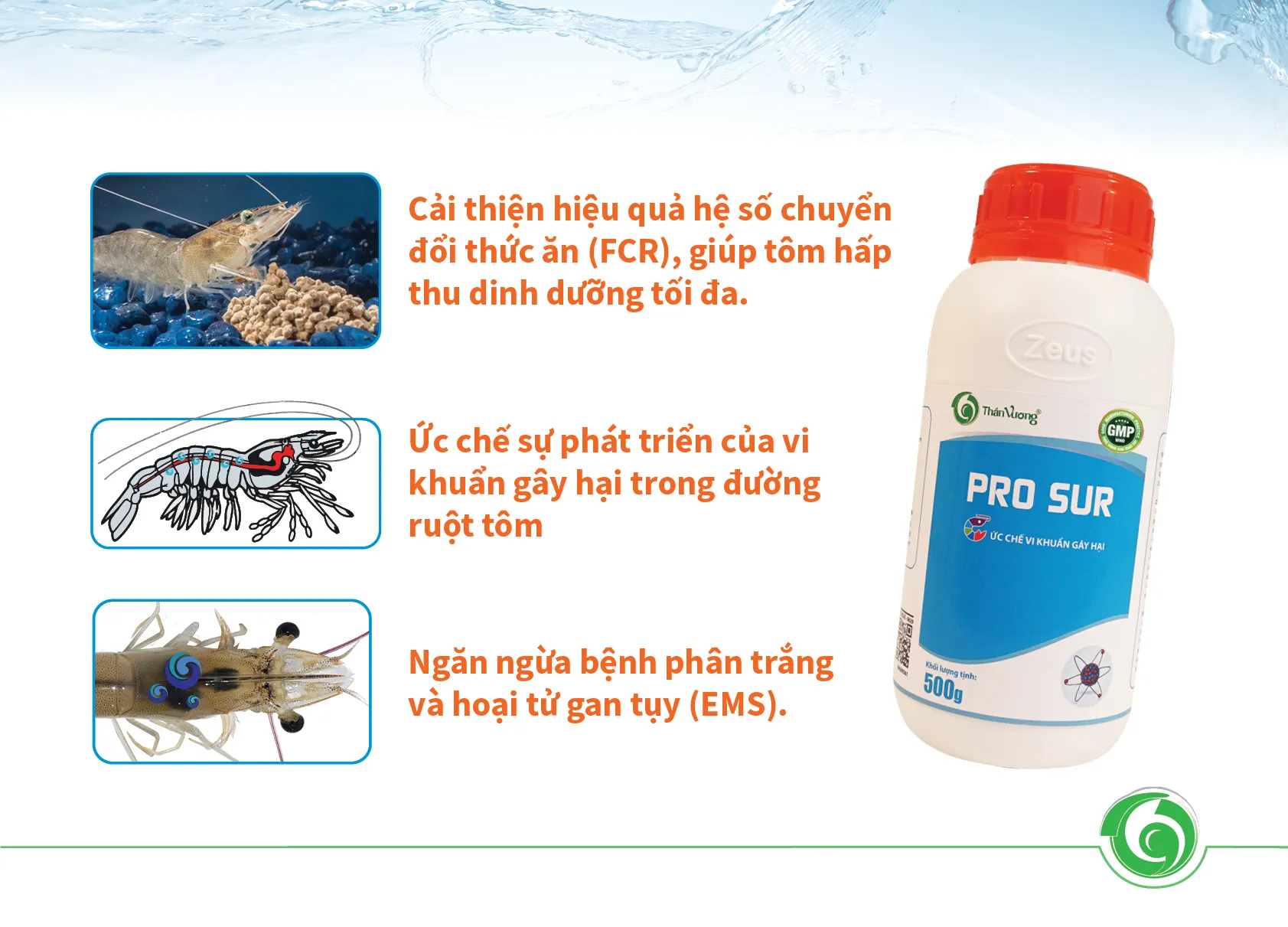
PROSUR
A mixture of Glycerol and medium-short chain fatty acids, creating a specific Amphiphilic property that allows them to disrupt bacterial cell membranes, release cells, and inhibit the growth of pathogenic bacteria.
PROSUR reduces Vibrio bacteria in the shrimp gut and hepatopancreas, providing high efficacy in preventing and treating shrimp gut-hepatopancreas diseases.
- USES:
BIOMAX
- USES:
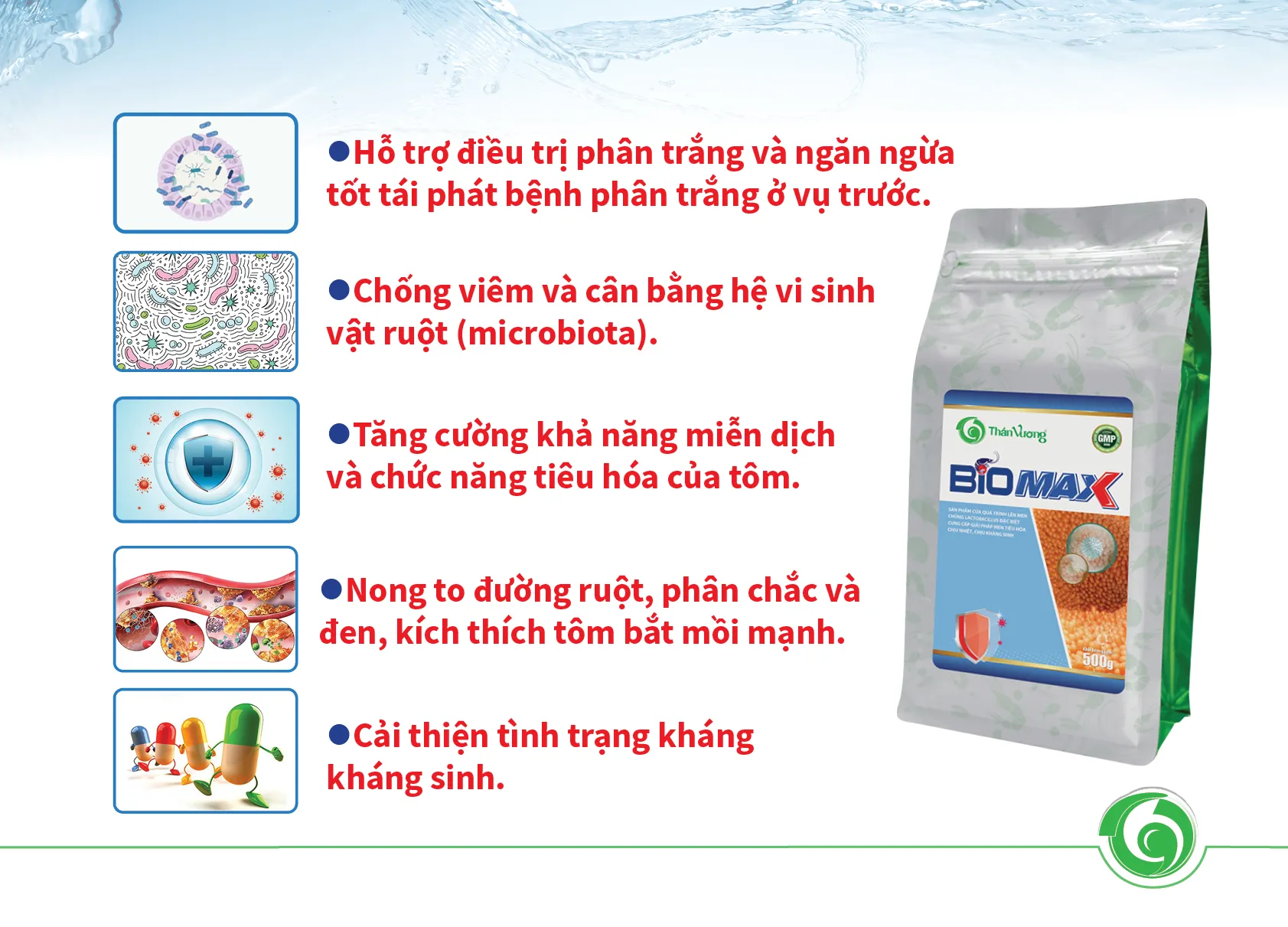
THE DIFFERENCE OF BIOMAX
- Bacterial adhesion capability
Firmly adheres to intestinal mucosal cells, forming a barrier to prevent pathogens from attaching and invading.
- Neutralizes and inhibits pathogens
Reduces the survival capacity of pathogenic bacteria in the digestive tract.
- Stimulates natural immune defense system
Protects tight junctions to maintain the integrity of the physical barrier.
USING SOILMAX, PROGUT, PROSUR, and BIOMAX PRODUCTS DURING FARMING:
- Stabilize the environment, stabilize algae, balance pond microbiota, inhibit harmful bacteria using SOILMAX
|
Application case |
Dosage |
Effect |
Notes |
|
Stabilize pond water quality |
100g/2,000–3,000 m3 of water |
Control algae, stabilize pond water, inhibit pathogenic bacteria. |
Periodically: 5–7 days/time Best applied at 9 – 10 AM |
|
Treat toxic algae, dense algae, slimy water, slimy pond bottom |
100g/1,000m3 of water |
Improve water quality, bottom quality, stabilize pond environment. |
Apply continuously for 2 - 3 days |
- Mix with feed:
Meal 1: Feed ProSur 3 g/kg of feed.
Meal 2: Feed ProGut 5 g/kg of feed.
Meal 3: Feed ProSur 3 g/kg of feed.
Meal 4: Feed BioMax 5 – 7g/kg of feed.
Thus, SOILMAX, PROGUT, PROSUR, and BIOMAX are essential products for controlling highly virulent Vibrio using Pediococuss acidilactici, Saccharomyces cerevisiae, and other Lactic bacterial strains, reducing the impact of glassy post-larval disease TPD/GPD in commercial shrimp.
Technical Department, THAN VUONG COMPANY