Current causes of white feces disease in shrimp
White feces disease in shrimp is a serious concern, often causing significant losses for farmers. There are many causes leading to this phenomenon, including:
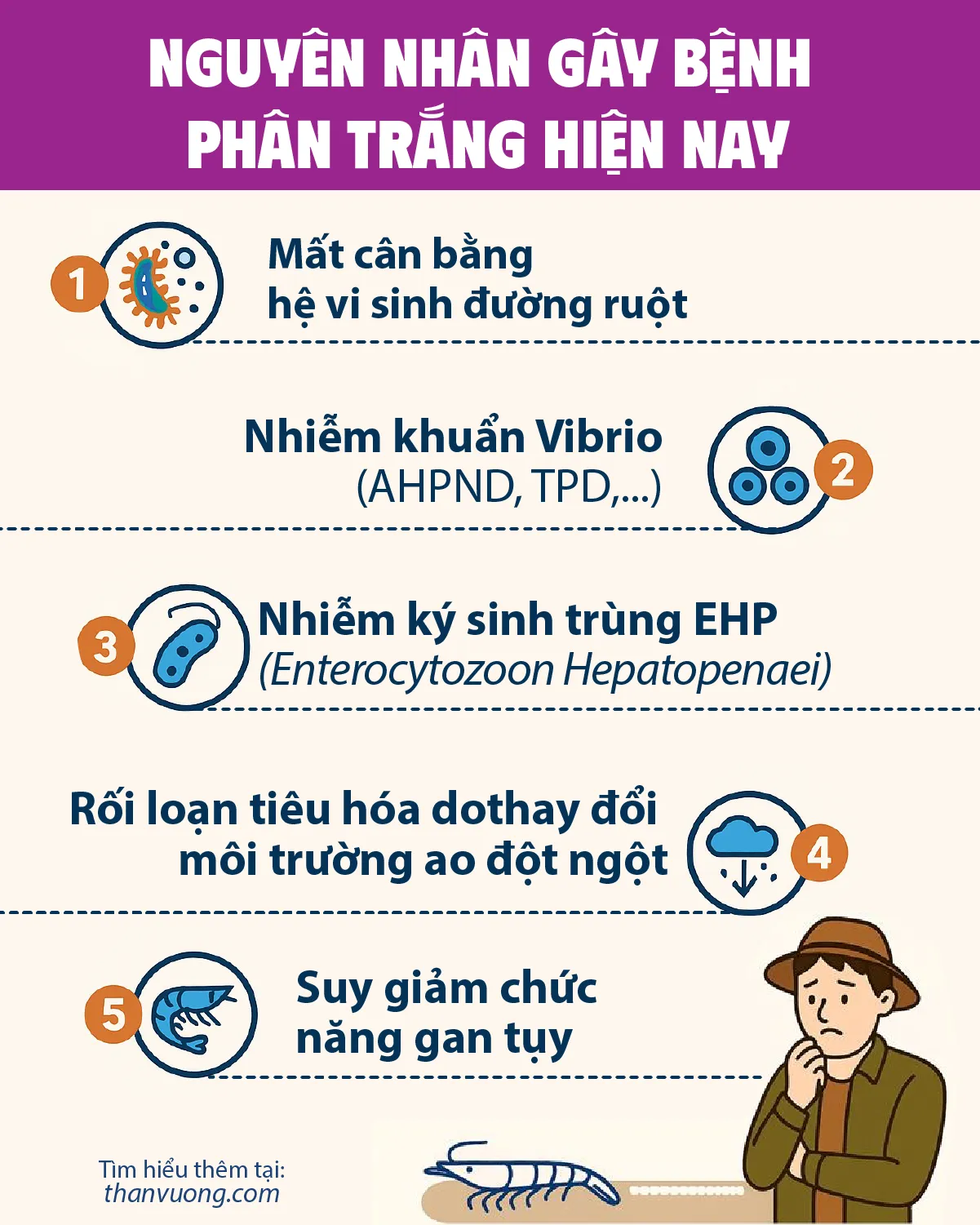
Imbalance of intestinal microbial flora
- When the intestinal microbial flora is disrupted, shrimp are prone to digestive disorders and white feces.
Vibrio infection (AHPND, TPD, …)
- Vibrio spp. bacteria attack the intestines, causing tissue necrosis, leading to weak shrimp and white feces.
EHP parasitic infection (Enterocytozoon hepatopenaei)
- EHP parasitizes hepatopancreatic cells, reducing digestive and nutrient absorption capacity, leading to white feces.
Digestive disorders due to sudden changes in pond environment
- Sudden fluctuations in temperature, salinity, pH, etc., cause stress to shrimp and digestive disorders.
Hepatopancreatic dysfunction
- A weak hepatopancreas leads to reduced digestive, absorption, and detoxification functions, making shrimp susceptible to white feces disease.
Solutions for treating white feces disease
Cases not caused by EHP: Use CLEVER in combination with FLASH
If the cause is determined not to be EHP, farmers can apply a combined solution of CLEVER and FLASH products to quickly improve the situation:
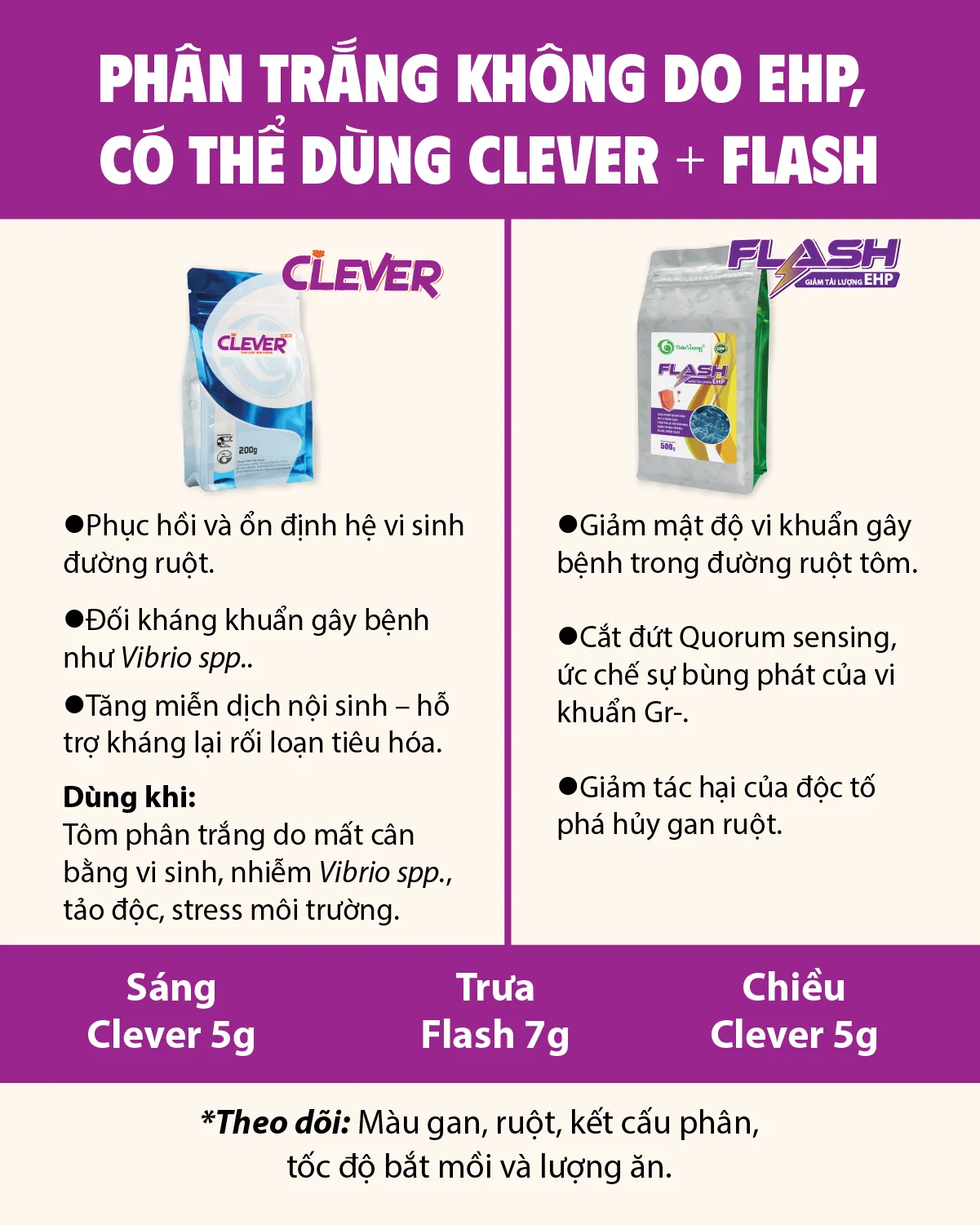
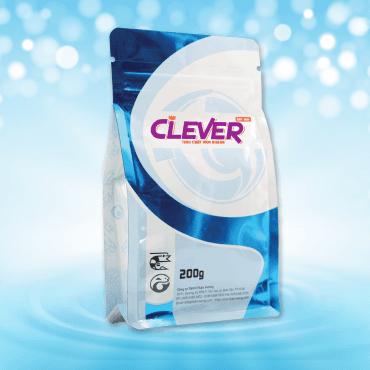
CLEVER
- Restores and stabilizes intestinal microbial flora.
- Inhibits pathogenic bacteria such as Vibrio spp.
- Boosts endogenous immunity, supporting resistance against digestive disorders.
- Use when: Shrimp have white feces due to microbial imbalance, Vibrio infection, or environmental stress.
- Dosage: 5g/kg feed, fed in the morning and afternoon.
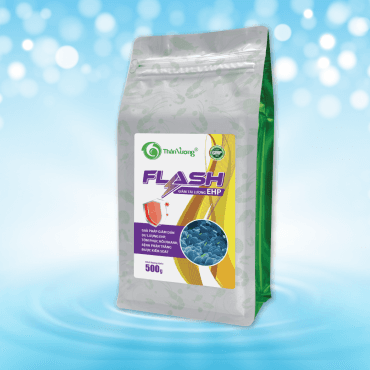
FLASH
- Reduces the density of pathogenic bacteria in the shrimp's intestines.
- Rapidly inhibits Gram-negative bacteria – often the causative agents of acute disease outbreaks.
- Reduces toxins from harmful bacteria.
- Dosage: 7g/kg feed, fed at noon.
Note:
- Closely monitor shrimp feces, hepatopancreas, feeding rate, and swimming behavior during use.
Combined environmental treatment – Dual disinfection
In addition to intestinal treatment, pond environmental remediation and pathogen control in the water are also extremely important. The recommended combined solution is:
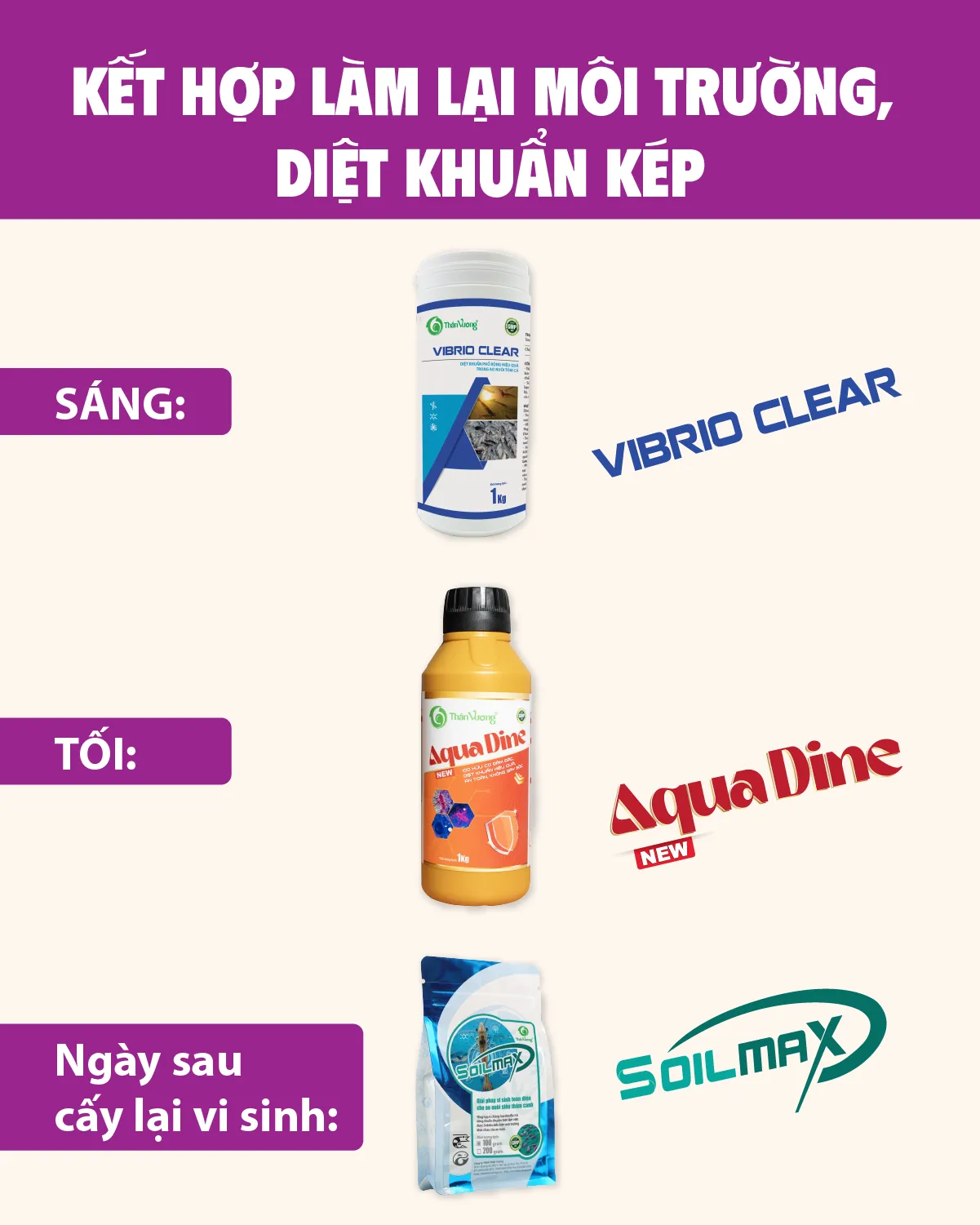
Morning: VIBRIO CLEAR
- Rapidly eliminates Vibrio bacteria in pond water.
- Reduces the risk of disease spread through the environment.
Evening: AQUA DINE New
- Disinfects and detoxifies the pond environment.
- Protects shrimp hepatopancreas and intestines from pathogens.
The next day, re-inoculate probiotics with SOILMAX:
- Supplements beneficial microorganisms, helping to stabilize the environment and limit the growth of pathogenic bacteria.
- Supports the decomposition of organic waste, keeping pond water clean and stable.
Conclusion:
White feces disease is no longer a "death sentence" if farmers correctly understand the cause and treat it promptly. Combining CLEVER and FLASH solutions with environmental treatment using VIBRIO CLEAR, AQUA DINE, and SOILMAX supplementation is an effective approach to help shrimp recover quickly, become healthy, and resume strong feeding.