
Results show that whiteleg shrimp can effectively adapt to temperature fluctuations
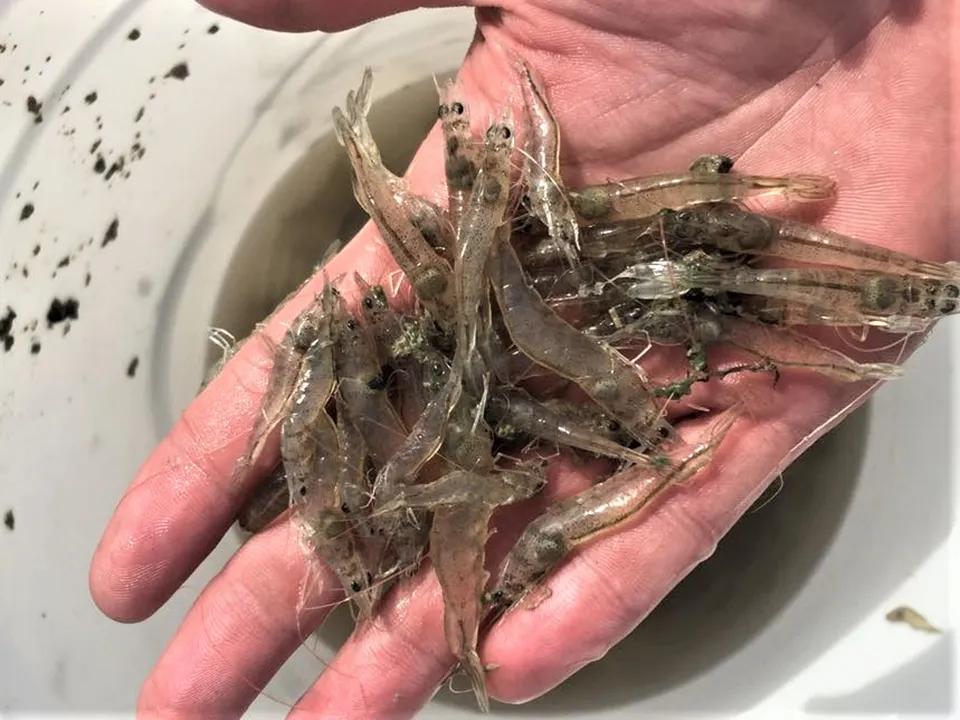
Whiteleg shrimp, with its good salinity tolerance, fast growth rate, and other characteristics suitable for intensive aquaculture, has become the most important farmed shrimp species globally. However, a range of environmental factors can affect shrimp growth, such as changes in pH, salinity, dissolved oxygen (DO), temperature, and also chemical compounds like nitrite, ammonia, and sulfide.
Annual cold spells affecting the shrimp farming industry in southern China during the winter months (November to January) cause significant economic losses to the aquaculture sector. However, there is very little information regarding the physiological responses of shrimp during cold and warm seasons.
In shrimp, the histology (the study of the microscopic anatomy of animal and plant tissues and cells) of their hepatopancreas has been reported by researchers as a tool to monitor the impact of environmental stressors that can cause ultrastructural changes at the onset of stress. For example, environmental stress such as pH changes can cause alterations or damage to hepatopancreatic cells. However, regarding temperature fluctuations, there has been no definitive information to date about any changes in the hepatopancreas.
This report investigates some physiological responses of whiteleg shrimp postlarvae subjected to temperature fluctuations (13 - 28 °C) in low-salinity water.
Study Setup
Whiteleg shrimp (average weight 5.4 ± 0.7g) from a commercial farm in Panyu (Guangdong, China) were transported to the laboratory and acclimated in filtered and aerated seawater tanks for several days prior to the experiment. During the acclimation period, the salinity and temperature of the water in the tanks matched those of the culture pond (salinity 5 ppt, pH 8.3 ± 0.1, and temperature 28 ± 1 °C). Shrimp were fed commercial feed twice daily at 5% of their body weight.
Healthy individuals were selected and randomly divided into 3 replicate tanks. Water temperature was decreased from the acclimation temperature (AT, 28°C) to 13°C at a cooling rate of 7.5°C/day (2.5°C/8 hours). After 24 hours at 13°C, the water temperature was increased back to 28 °C at the same rate.
At different temperature points – 28, 23, 18, and 13°C for 24 hours during the cooling process, and at 18 and 28 °C during the rewarming process – the entire hepatopancreas from experimental animals was dissected and preserved for various analyses.
Results and Discussion
In this study, we investigated various physiological responses – including hepatopancreatic histological changes, plasma metabolite concentrations, expression of different genes, and other processes in whiteleg shrimp postlarvae subjected to water temperature fluctuations (13 to 28°C). All these responses and processes were affected when the temperature decreased but generally recovered during the rewarming phase, providing evidence that shrimp can adapt to a certain degree of temperature fluctuation.
The crustacean hepatopancreas is a vital organ involved in excretion, molting, metabolic activities, and energy reserve storage. Research results showed that the number and volume of certain cells (B cells) in the hepatopancreatic tubules significantly increased after shrimp experienced cold stress. This may be related to the fact that B cells are the primary site for nutrient absorption and digestion. It is possible that the high rate of digestive enzyme synthesis and release in B cells promoted nutrient mobilization in the hepatopancreatic tubules, helping shrimp better adapt to temperature stress.
In shrimp, the hepatopancreas is known to have a high capacity for self-repair. For example, researchers have reported that whiteleg shrimp can repair hepatopancreatic damage after prolonged exposure to low zinc levels and low pH. And hepatopancreas weight significantly decreased after starvation but then increased immediately after re-feeding began. In our study, histological damage to the hepatopancreas was reversed after the shrimp were returned to higher water temperatures, confirming this reported self-repair capability.
Regarding changes in shrimp plasma during temperature fluctuations, results showed that lipids and proteins in whiteleg shrimp plasma responded more rapidly to temperature fluctuations, while glucose levels remained stable before the experimental water temperature reached 13°C and recovered to acclimation levels after the temperature increased back to 28°C.
The hepatopancreas typically contains abundant lipids and appears to be the primary site for gluconeogenesis (a metabolic pathway that produces glucose from certain non-carbohydrate carbon substrates) in crustaceans. Therefore, combined with the observed hepatopancreatic histology and plasma results, we conclude that the increase in B cells in the hepatopancreas facilitates gluconeogenesis to synthesize glucose from proteins and lipids, thereby supplying the shrimp's glucose demand under experimental cold stress conditions. However, after the water temperature dropped to 13°C, the hepatopancreatic tubules ruptured, causing lipids and proteins to enter the hemolymph, increasing plasma lipid and protein content, while glucose content also decreased due to hepatopancreatic damage.
Nonspecific immunity plays a crucial role in the immune defense of aquatic animals. Shrimp rely entirely on cellular and humoral immunity to prevent external damage. Enzyme Alkaline Phosphatase (ALT) is directly involved in several metabolic pathways and plays an important role in the shrimp's immune system against pathogens, perhaps because it can help protect the hepatopancreas and hemolymph during cold stress.
Analysis of plasma metabolite concentrations also showed that ALT enzyme activity reached its highest level at 13°C – plasma ALT activity is inversely proportional to hepatopancreatic health. This finding is consistent with previous studies and confirms the shrimp's self-repair capability. Furthermore, the expression of many genes we evaluated in our study, as well as the number of hemocytes (cells related to the invertebrate immune system), reached their highest levels in the hepatopancreas at 13°C.
Perspective
Our research results indicate that proteins and lipids are the primary energy sources for whiteleg shrimp during temperature fluctuations. During the rewarming phase, all histopathological manifestations, plasma metabolite concentrations, and gene expressions returned to acclimation temperature levels. Overall, the results suggest that whiteleg shrimp postlarvae can adapt to a certain degree of temperature fluctuation, but the detailed adaptation mechanisms in this shrimp species still require further investigation.
Source: www.aquaculturealliance.org
Translated by: Trần Thị Thúy Quyên