Marcela Salazar, Benchmark's shrimp production director and one of the pioneers in shrimp genetics, explains how shrimp breeding programs have evolved and where they are likely headed.
Inspired by the emergence of White Spot Syndrome Virus (WSSV) in Colombia in 1999. At that time, CENIACUA (the Aquaculture Research Center in Colombia) requested Corpogen to perform PCR diagnostic tests for pathogens and to help prevent and control this virus. I was involved from the beginning and found a new field with an excellent team of young researchers.
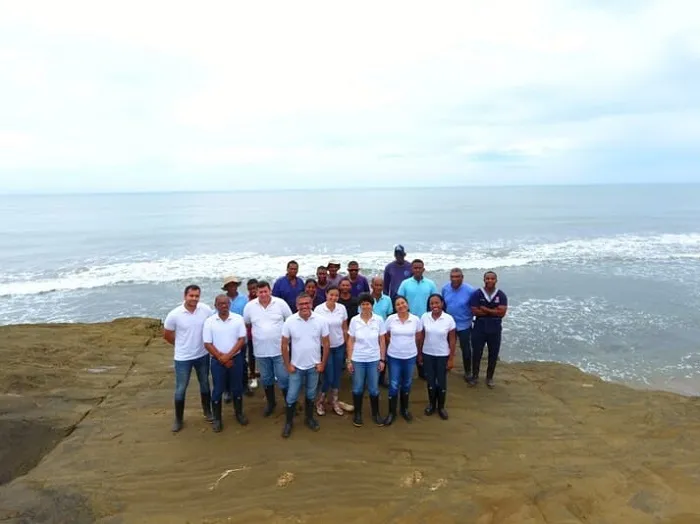
Marcela Salazar with her team
The main laboratory is located on the Atlantic coast of Colombia and is isolated from all other aquaculture facilities. The climate is optimal for the growth of P. vannamei and there is ample space to expand broodstock production as required by the market. We also have access to a laboratory on the Pacific coast of Colombia, where we can work with a white spot resistant strain without affecting the biosecurity of the breeding center. Meanwhile, challenge testing facilities are located in Bogotá, over 1,000 km from the breeding center, allowing us to safely work with exotic pathogens in Colombia.
Areas of Research Focus
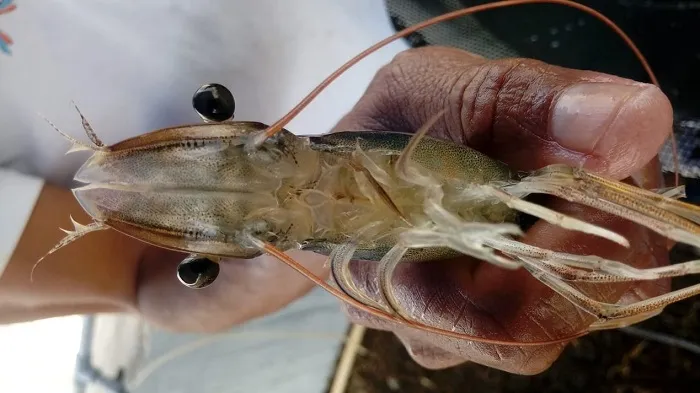
We are currently introducing genomic selection for resistance to White Spot Syndrome Virus (WSSV) and Acute Hepatopancreatic Necrosis Disease (AHPND) in the population. Our priority is to produce clean, safe, Specific Pathogen-Free (SPF) animals with high growth potential, but they must also be resistant to pathogens and environmental conditions.
Achievements in the Shrimp Sector So Far
We are very proud to have been able to maintain the breeding program during very challenging times. We have described the effect of hyperthermia in WSSV infection. Apoptosis (programmed cell death) is part of the shrimp's antiviral response. A negative correlation between growth and WSSV resistance in P. vannamei has been identified, and we have been able to produce shrimp with high growth potential.
Key Traits Sought by Shrimp Producers
The main trait targeted by shrimp producers in all regions is growth – we all need a fast-growing animal. In recent years, after several disease outbreaks, Asia is also looking for animals with high survival rates, making it a very large market for SPF/SPR strains. It is worth noting that not all broodstock are optimal for all conditions. At Punta Canoa, we are developing different lines. For example, early growth, low salinity, and WSSV resistance – which can be distributed for different environments and culture conditions.
The Difference Between SPR, SPF, SPT, and APE Shrimp
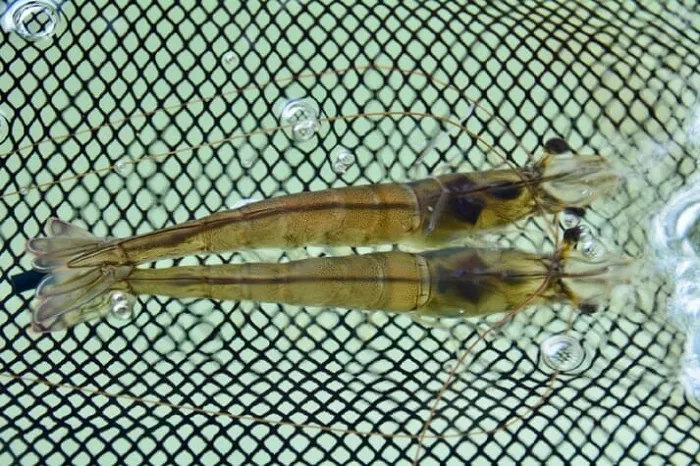
The classification is divided into 2 different groups: Group 1 is SPF and APE; Group 2 is SPR and SPT.
The first group is based on the sanitary status of the breeder. Specific Pathogen-Free (SPF) animals are those that have been tested and determined to be free of specified pathogens. According to guidelines established by the USMFSP, SPF shrimp stocks must come from a population that has tested negative for specific pathogens for at least 24 months and must be reared in high biosecurity facilities, following biosecurity management measures, with an appropriate monitoring program using both molecular and histopathological tools. SPF does not mean they are free of all pathogens, so the relevant pathogens must always be listed. On the other hand, APE (All Pathogen Exposed) is a term used to describe animals reared in ponds or tanks where they have been exposed to one or more pathogens – either through challenge tests or under culture conditions. This term is misleading because animals will never be exposed to *all* pathogens. These animals can be pathogen carriers and pose a risk of cross-border movement.
The second group, Specific Pathogen Resistant (SPR) and Specific Pathogen Tolerant (SPT), refers to how shrimp cope with pathogens. Resistance is the ability to limit parasitic burden, in other words, to fight off the enemy. Tolerance, conversely, is the ability to limit damage caused by parasites – to live with the enemy. These are two different types of defense against pathogens found in plants and animals, and both mechanisms can be inversely correlated. Resistance (being resistant or susceptible); tolerance can be influenced by the environment. Therefore, it is very difficult to say if a certain line is resistant or tolerant, and the market is using SPR/SPT. As with SPF, if a line is sold as SPR or SPT, the pathogens they are resistant or tolerant to should be listed.
Key Challenges the Shrimp Industry Needs to Overcome
The main challenge is to produce a fast-growing shrimp that is not only resistant to pathogens but also resilient under commercial farming conditions. Growth in shrimp is highly heritable and easy to select for. However, the negative correlation of these traits with resistance to certain pathogens like WSSV and with environmental conditions such as low oxygen levels makes the work more challenging. It is a question of how to increase growth rate without increasing mortality.
Source: The Fish Site