EHP disease has been present in shrimp for many years but had not received much attention. It wasn't until 2016 that the disease officially broke out on a large scale, and in 2019, EHP became a hot topic not only in Vietnam but globally.
Enterocytozoon hepatopenaei – EHP is a microsporidian that attacks shrimp by destroying their digestive system, also known as hepatopancreatic microsporidiosis. EHP reduces production and negatively impacts the shrimp industry in many countries such as China, Vietnam, Thailand, Malaysia, Indonesia, and India.
EHP's entry pathway into the body
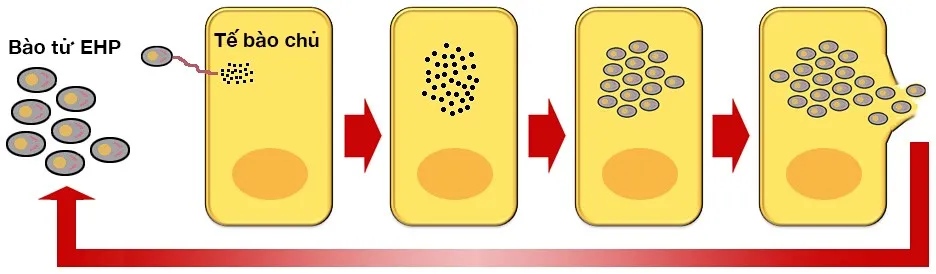
(Source: GAA)
EHP spores transfer genetic material into shrimp cells, where they grow and multiply. When the cells rupture, spores are released to repeat the cycle.
Inside the EHP spore is a long, coiled tube. When activated, this tube transforms into a harpoon-like structure that injects genetic material into a shrimp hepatopancreatic cell, where the spore multiplies. The activation mechanism of the spore may be related to pond bottom contamination due to accumulated excess feed. The severity of the disease increases with a high density of activated spores in the tissue.
EHP parasitizes shrimp hepatopancreatic cells, utilizing nutrients and energy within the hepatopancreas, leading to damage to the hepatopancreatic mass; shrimp lack sufficient nutrition for growth and molting. Furthermore, EHP is a fecal-oral transmitted disease, requiring no intermediate host. Therefore, the more shrimp consume, the more pathogens are released into the environment, infecting other shrimp in the pond. The increasing multiplication of microsporidia prevents shrimp from growing.
Methods for EHP detection
- Histological method
- Molecular biology method
Practical detection methods
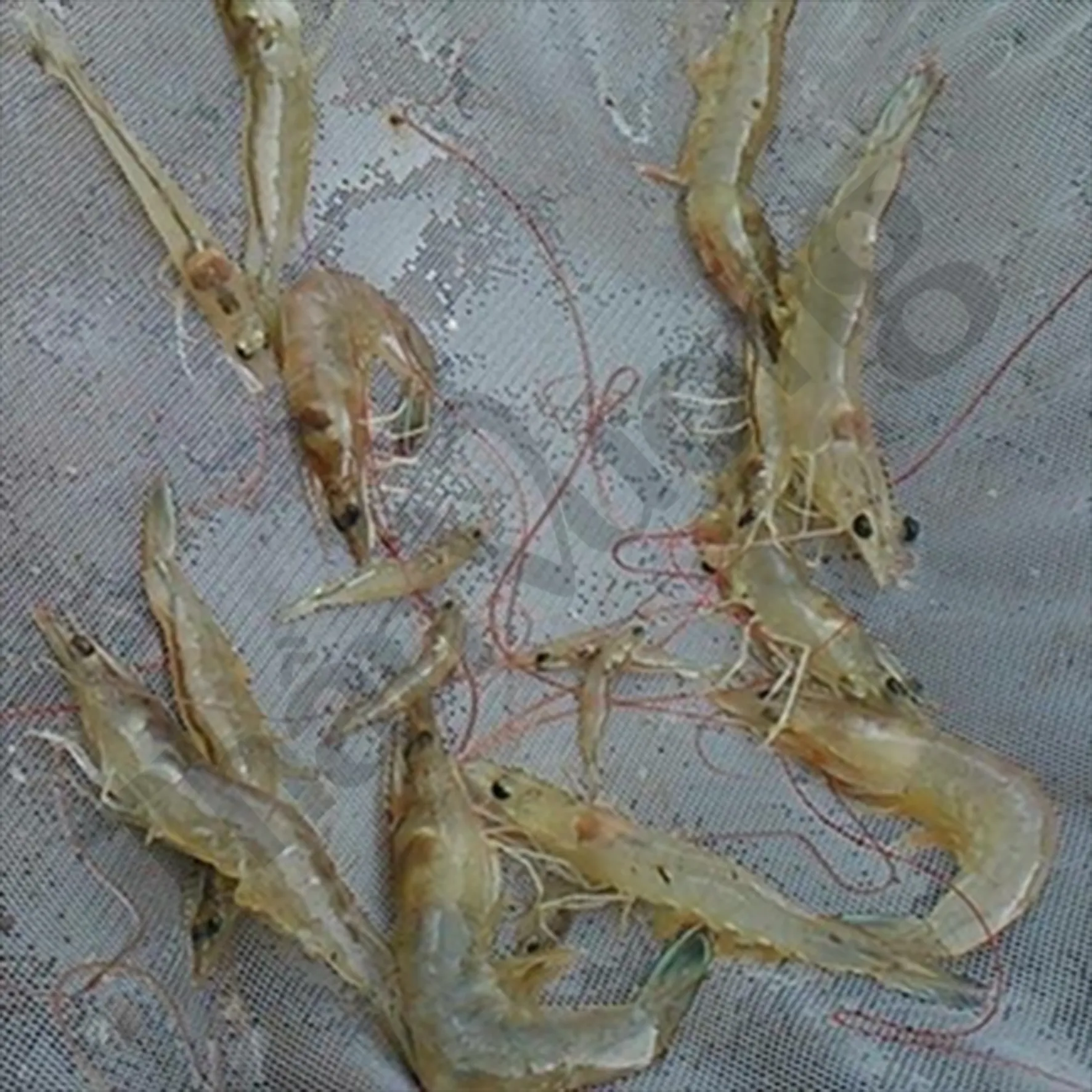
Shrimp with very large size variation
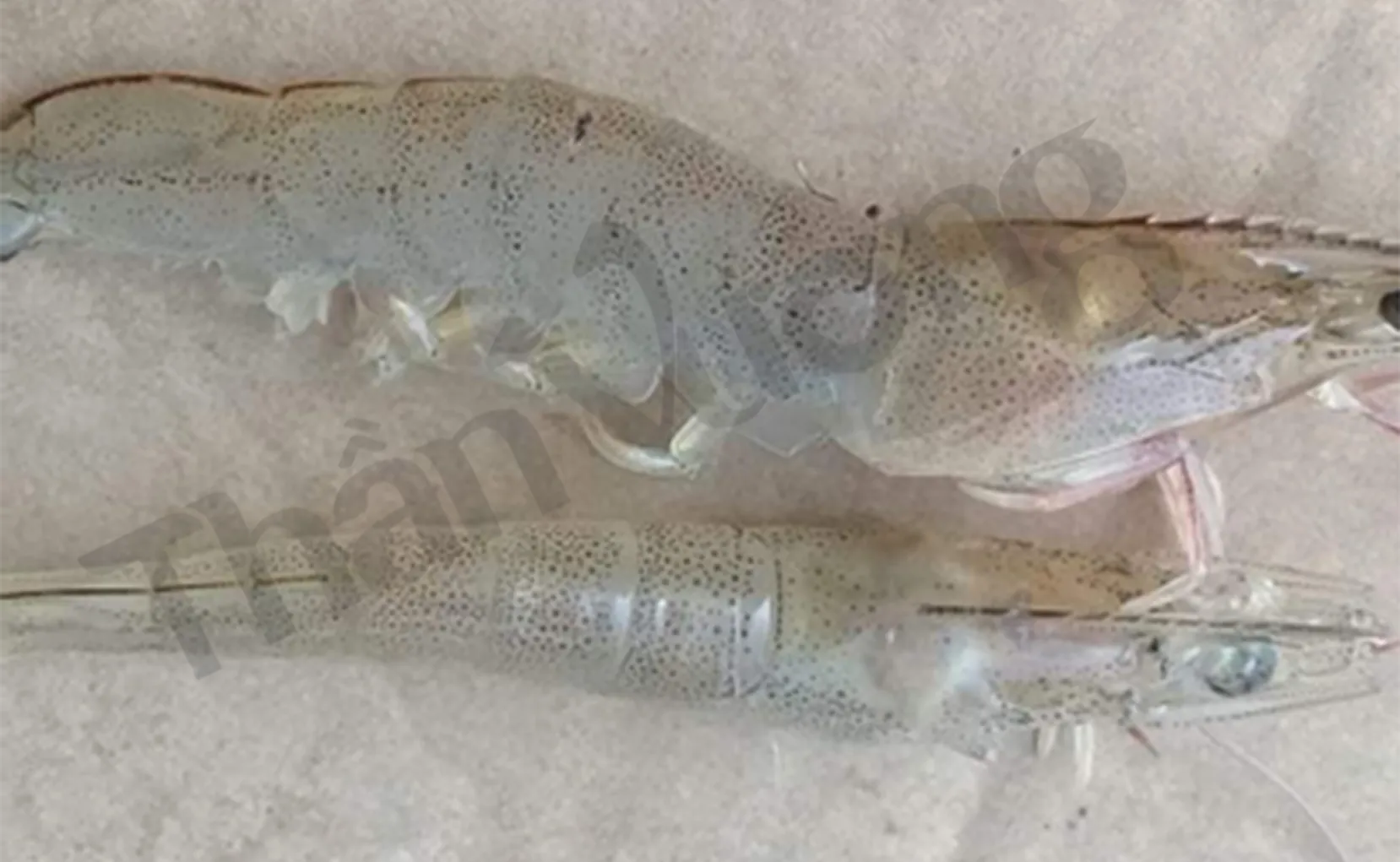
Shrimp gradually lose their gut, and the hepatopancreas turns green, associated with white feces.
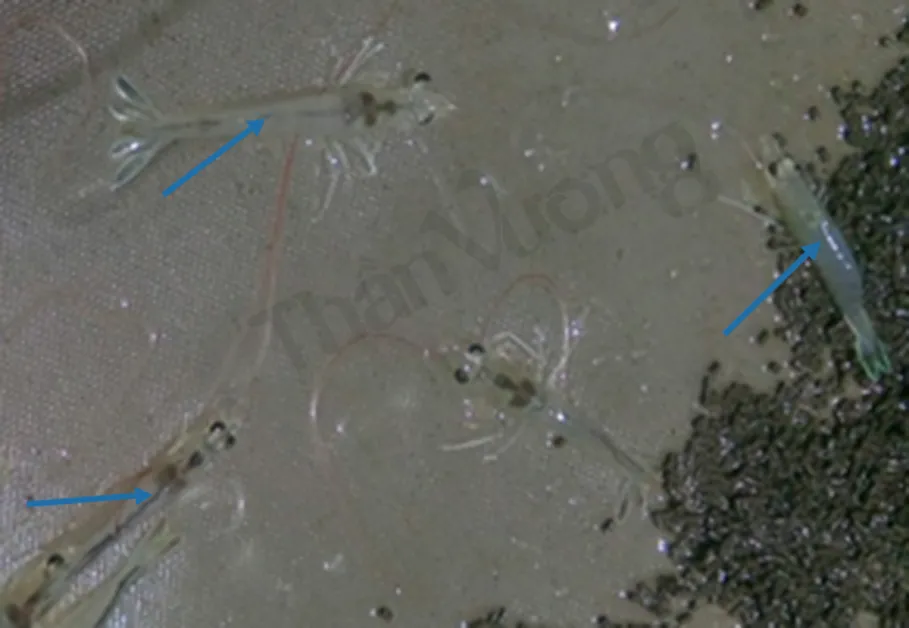
Shrimp with slow growth, faded gut, coiled gut, and grayish-blue discoloration
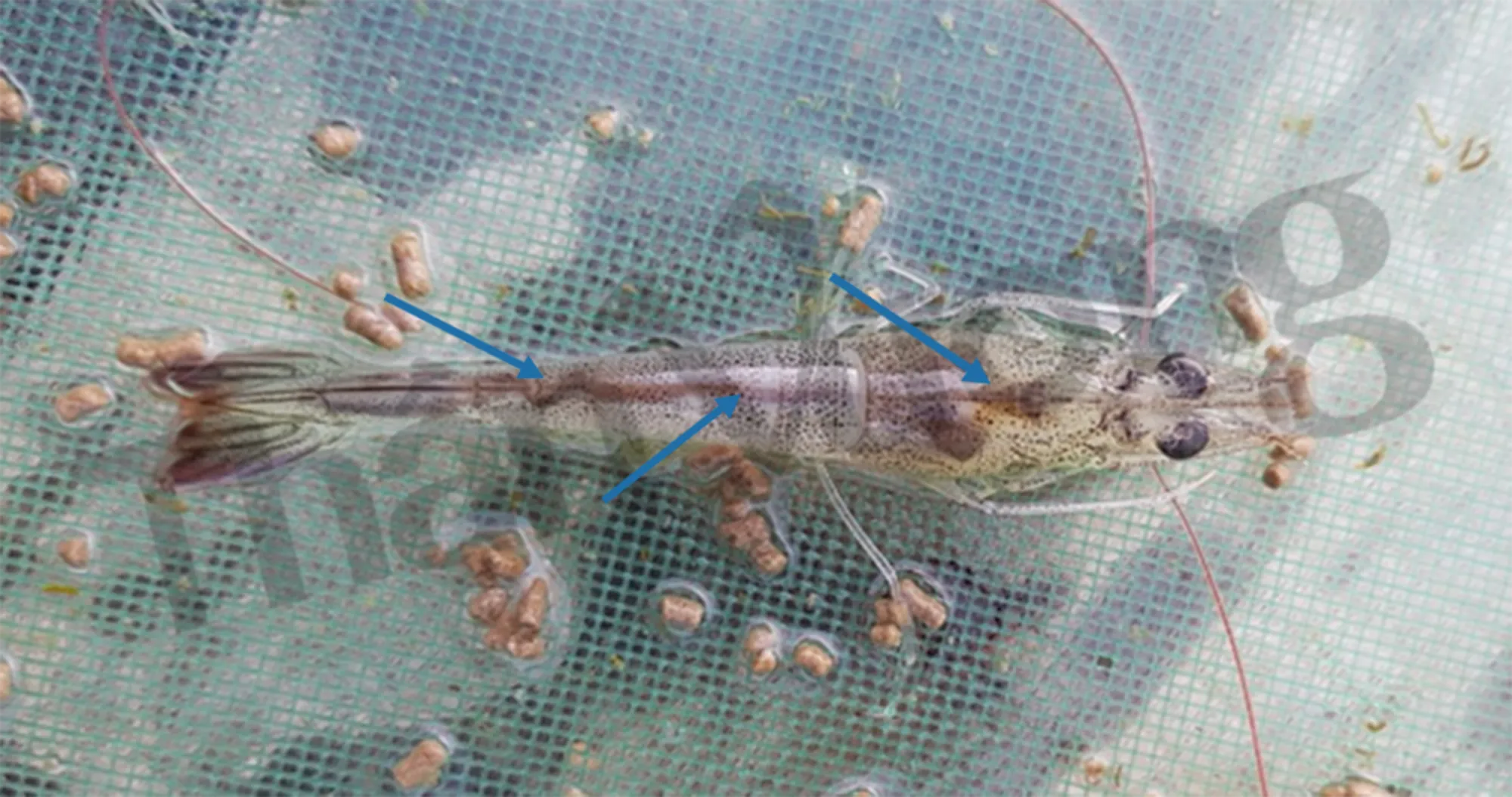
Gut coiled like a spring, the junction between the stomach and hepatopancreas is white, shrimp are discolored.
Factors affecting EHP development
and methods for prevention and reduction of infection
Hatchery
- Infection factors:
- Live feed such as: polychaetes, Artemia, squid, etc.
- Prevention methods:
- Live feed should be frozen, sterilized, or irradiated.
- Production facilities need to be dried, cleaned, and disinfected with NaOH.
- Equipment, pipelines, and tanks must be soaked in 2.5% NaOH for at least 3 hours. Then, rinse thoroughly and dry for several hours.
- Rinse thoroughly before use with acidified chlorine at 200 ppm and pH < 4.5.
- Eggs, Nauplii: Rinse with freshwater and appropriate chemicals such as Iodine and Formaldehyde to weaken the passive attachment of spores to eggs and Nauplii.
- Pay close attention to feed sources from areas contaminated with EHP
- Systematically and strictly control incoming water quality.
Farming process:
- Infection factors:
- Infected shrimp postlarvae
- Pond bottom from the previous crop infected with EHP was not thoroughly treated.
- Feces and infected shrimp carcasses during the farming process.
- High organic waste.
- Water sources with EHP around the infected area.
- Crabs, wild fish, and other crustaceans act as disease vectors for shrimp.
- Prevention methods:
- To date, there is no cure for EHP microsporidia. EHP can only be managed through a combination of synchronized solutions: Biosecurity control from the hatchery to pond preparation and good pond management practices.
- Biosecurity control in the hatchery is a very important criterion because if EHP is transmitted from postlarvae, the economic losses for farmers will be higher. Disease testing for shrimp postlarvae is almost mandatory.
- Treating incoming water quality, in addition to pond preparation, mostly involves raising pH to high levels or lowering pH, or removing as much organic matter from the pond as possible to reduce microsporidia. Removing crabs, wild fish, and other crustaceans, which are disease vectors for shrimp, is crucial.
- During the farming process, regularly inspect the pond bottom, siphon, and apply probiotics to decompose organic matter and stabilize water parameters at appropriate levels. EHP and Vibrio are related in both the aquatic environment and within the shrimp's body. Therefore, to effectively control the environment and shrimp health, a prevention plan is needed:
+ Control environmental parameters (algae, pH, toxic gas, etc.)
+ Siphon to remove waste and suspended sludge.
+ Periodically check water and shrimp samples for bacteria to guide treatment.
+ Monitor shrimp growth, color, and behavior to accurately assess EHP disease.
- Use supplementary feeds to improve shrimp condition, enhance health, and optimize resistance.