

For many animal species, ensuring proper nutrition from the outset is considered crucial for good growth and development until maturity, laying the foundation for optimizing healthy body development, good disease resistance, and reducing illnesses during physiological transitions. In aquaculture, the primary source of nutrition is provided through compound feed, but it is crucial to ensure the feed is of sufficient quality, especially during the early stages of fish development. This includes not only nutritional content and digestibility but also particle size, which must be appropriate for the fish's mouth size and suitable for each developmental stage to ensure good feed intake. Furthermore, the stability of the feed in water also plays a significant role in fish growth. Feed quality not only affects growth performance in the early stages of fish but also throughout their development until harvest (Figure 1). Therefore, nutrition during the stage when fish first begin to feed will determine their formation and development at all rearing stages, leading to optimal physical condition for the fish. This is also a key factor for the success and profitability of the aquaculture industry.
Development of major organs occurs in the early stages of fish.
Not all organs develop simultaneously in the early stages; instead, they form and develop according to specific fish stages, leading to varying organ size ratios across different stages. This phenomenon is known as allometry. For example, in humans, exponential brain development occurs during the first 1,000 days of life. This explains why an infant's head is proportionally larger than an adult's. Therefore, from a nutritional perspective, this is a critical period when nutrients can maximize body development and health, with the nervous system being a priority. In newly hatched fish, not all organs develop normally at the same time; instead, body organs and parts develop according to the fish's formative stages. These changes allow for a gradual transition from newly hatched fish to juveniles, and then to the adult stage. Experiments described for tilapia and mullet:
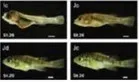
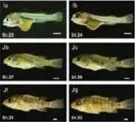
In the case of mullet, the experiment described three distinct growth stages observed in newly hatched mullet from post-hatch day 1 (dph1) to dph71. Stage 1: It begins with the development of the cephalic region (head), including: (development of eyes and vision, increased mouth size, and transition from cutaneous respiration to branchial respiration). Stage 2: Involves the development of locomotor organs, such as the tail and fins. Stage 3: Axial body muscles develop: muscle fibers begin to grow. These developing parts enable fish to better detect feed particles (eyes and vision), have larger mouth sizes, swim faster and more accurately (locomotor organs and muscle development), and ensure more efficient oxygen supply (gills) to support forward swimming for foraging. In the case of tilapia, (Figure 2) illustrates the evolution of tilapia from yolk sac absorption to the juvenile stage. Since critical developmental factors occur in the early stages of fish, providing essential nutrients at the right time is extremely important. The nutritional composition of the feed must be adjusted to suit each developmental stage. Additionally, during the first few weeks of the early stage, the fish's intestine is forming and developing, making it very delicate. Therefore, feed ratios must be adjusted, necessary digestive enzymes and nutrients supplemented, and feed quality ensured. Providing feed with good palatability also helps ensure sufficient nutrient intake for the fish. Furthermore, selecting the appropriate feed particle size is essential to match the fish's mouth size and optimize fish growth.
Initial nutritional quality affects animal phenotype until harvest
Nutrition from the outset will impact the animal's phenotype to varying degrees depending on the species. The influence of nutrition in the early stages can alter gene expression and lead to changes in the animal's metabolism. The way external factors like nutrition can influence gene expression is called epigenetics. Furthermore, changes in tissue characteristics during the juvenile stage also affect the animal, not only in the early stages but also in adulthood, leading to different phenotypes at maturity and varying care regimes and quality.
The impact of early-stage nutrition on fillet quality at harvest also applies to aquaculture. For example, a reduction in dietary protein combined with lipid supplementation in salmon feed during the first 75 days of development will affect later fish meat quality and lead to a different fish phenotype. For similar body weight at harvest, excess fat in the early stages reduces the fish's muscle mass.
This example illustrates that initial nutrition not only affects fish performance in the early stages but also impacts the overall performance and quality of fish until harvest. The impact of reduced fish growth rate in the early stages might not be significant initially, but it will become more severe during the fish's development. “That is why a strategy for better profitability at harvest must include precise nutrition during the early developmental stages of animals.”
Investing in early growth as a strategy to leverage changes in fish growth mechanisms
Most fish will continue to grow throughout their life cycle. Approximately 90% of a fish's body mass is muscle, and prioritizing muscle development will promote fish size. Muscle growth is based on two phenomena: hyperplasia (increase in muscle fiber number) and hypertrophy (increase in muscle fiber diameter), as presented in Figure 3. It has been demonstrated that hyperplasia occurs most intensely during growth in small fish and gradually decreases as fish size increases, while hypertrophy continues to occur. Hyperplastic muscle growth primarily occurs in small fish, which is of great interest in commercial fish farming as it contributes to the fish yield at the end of the culture cycle. Furthermore, a higher number of muscle fibers will also lead to better quality (fewer gaps, firmer texture) due to a larger amount of connective tissue in the muscle. To leverage these muscle growth mechanisms, providing appropriate nutrition for good fish growth in the early stages – as long as hyperplasia predominates – will benefit the fish's later growth and body weight at the end of the culture cycle.
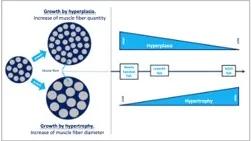 Figure 3. Muscle growth mechanisms and animal evolution through stages
This is an additional calculation showing that promoting high-quality nutrition from the outset will stimulate growth and bring economic efficiency to aquaculture.
Furthermore, fish rearing must be prepared at the right time and stocked at a moderate density to ensure proper fish development during the initial screening stage. The care and management process is crucial for fish development and must be carefully managed, especially concerning nutrition, as it will affect fish yield and quality.
In addition to environmental factors and the development of organs within the fish's body. Fry are also subject to external factors (such as transportation, handling, changes in water quality, and various bacteria). This is a very critical stage because the digestive system is not yet fully developed, and the fish's immune system is not capable of effectively fighting off pathogens. Furthermore, this is a stage of exponential growth. Therefore, fish at this stage face numerous challenges that they need to overcome. High-quality feed and timely nutrient provision, including energy-providing components, are crucial keys to promoting successful outcomes for fish farms.