Handling and transferring fish to other locations for further rearing is a critical step in the fish production cycle. If not managed properly, the transportation process can cause severe stress and physical damage, with long-term impacts on growth, feed efficiency, yield, and harvest value. Among current good management practices, natural nutritional solutions such as specific yeast derivatives can enhance fish immunity, recovery, and resilience. These are important tools to minimize the impact of handling and ensure fish can adapt quickly after transfer, thereby optimizing the production cycle.
Challenges in Fish Transfer
Transferring fish from one nursery facility to another poses significant health risks. Fish are typically transported by specialized trucks or boats that can maintain appropriate conditions throughout the process. However, fish transfer introduces numerous stressors, including physical handling, dewatering, sudden changes in water quality, and new microbial environments that fish may not yet be adapted to. Exposure to these factors can cause direct damage such as minor wounds, tissue lesions, while also leading to immunosuppression, disruption of mucosal barriers, reduced resistance, and affecting the final product quality.
For example, stress has been shown to increase epidermal permeability and scale loss, reducing the physical properties and antimicrobial capacity of fish skin. Additionally, feed intake often drops sharply for several days after reception, especially when transferring from land-based farming systems to offshore cages. Consequently, in addition to the risk of direct mortality, secondary diseases, prolonged morbidity, and poor growth performance are commonly observed in fish populations that are not well-prepared or lack resilience.
Nutritional Solutions to Enhance Resilience During Fish Transfer
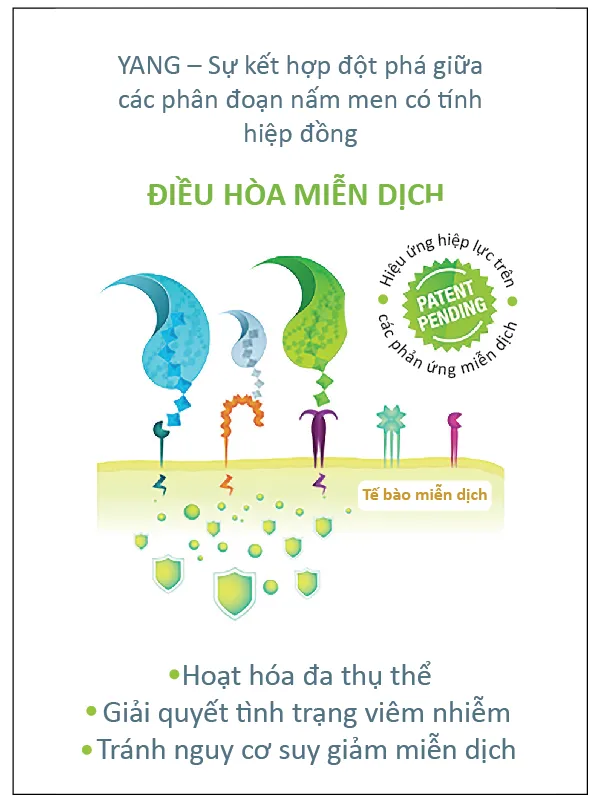
Lallemand has developed YANG – a unique multi-strain yeast fraction, specifically designed to support immune modulation. Scientists have demonstrated YANG's ability to activate a balanced and comprehensive immune response through synergistic action on immune receptors (patented). This product has proven effective in various fish species, including salmon, European sea bass, and gilthead sea bream. YANG shows clear benefits in facilitating and accelerating wound healing on fish skin through faster tissue regeneration. This solution has shown particular efficacy during the transfer phase and under challenging conditions (handling, high temperatures, and pathogen pressure). When transferring salmon, it is recommended to use YANG in feed for 2 - 4 weeks before and after transfer, at a dosage of 1 - 1,5 kg/ton of feed.
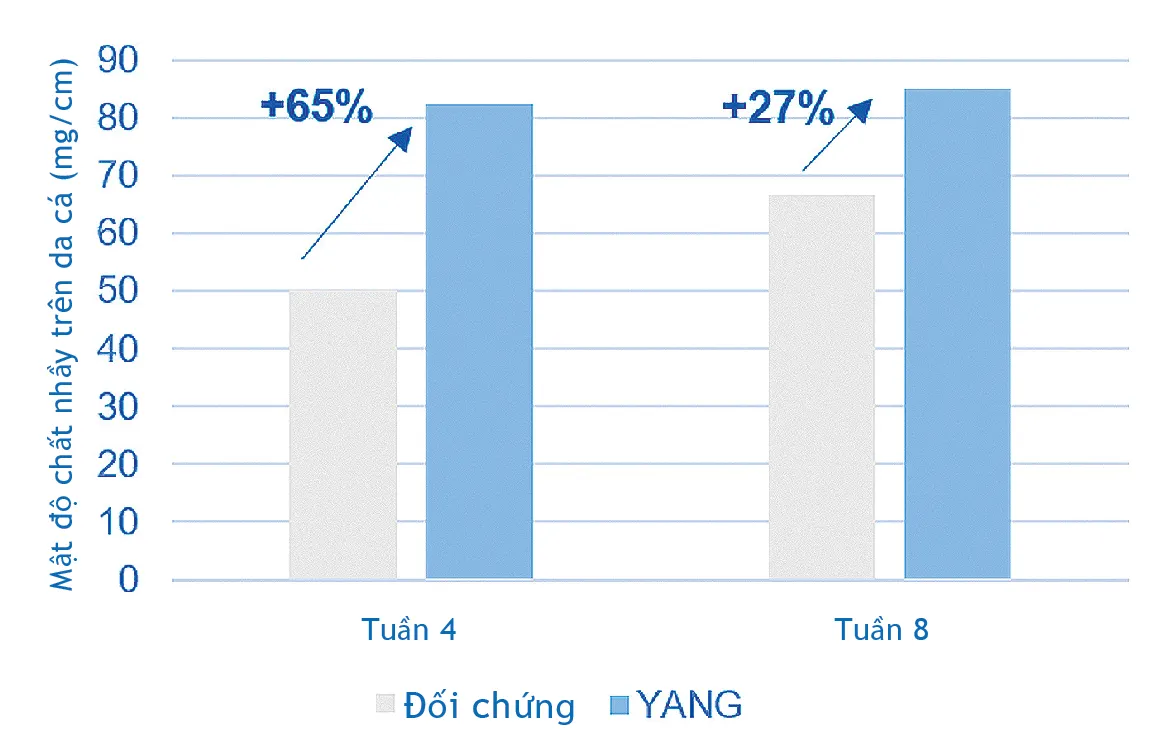
Figure 1. Skin mucus secretion in rainbow trout in the control group and the YANG-supplemented group
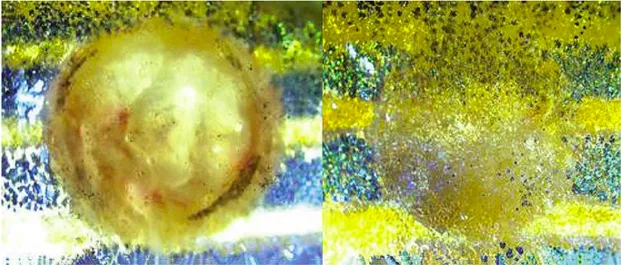
Figure 2. Wound healing model in zebrafish. Left: skin wound; right: wound healing process (wound diameter: 1 mm)
Strengthening the First Line of Defense
Studies with YANG in salmon have demonstrated its ability to strengthen the fish's first line of defense: the protective mucus layer on the skin and gills.
A trial fed rainbow trout (Oncorhynchus mykiss) with yeast derivatives to assess the impact on skin mucus secretion after transfer. Compared to the control group, the YANG-fed group showed positive effects after 4 weeks, with a 65% increase in mucus secretion. After 2 months, the mucus level in the YANG group was 27% higher than in the control group (Figure 1).
By promoting rapid recovery (within less than 4 weeks) and increased skin mucus secretion, yeast derivatives help maintain fish health and growth performance throughout the transfer phase. The positive impact of YANG on mucus secretion and antimicrobial properties has been observed in various fish species such as sea bass, sea bream, and Atlantic salmon (Rawling et al., 2017, 2018; Leclercq et al., 2020). Other studies also show that YANG helps enhance immunity in the gills, skin, and gut of juvenile salmon (Pontefract et al., 2021), and demonstrates a strong correlation between YANG supplementation and gut immune response (Rawling et al., 2019, 2021).
Accelerating Skin Wound Healing in Fish
Fish transfer, even when performed with good procedures, inevitably causes some degree of skin damage and mucosal layer disruption. Scientific studies specifically examining YANG's effect on skin wound healing (Edirisinghe et al., 2023) used a standard mechanical skin injury model. In this experiment, multi-strain yeast fractions were continuously supplemented before tissue injury, promoting early wound healing (Figure 2). YANG supplementation helped shorten the inflammatory process and increased granulation tissue synthesis at the wound site (as observed through histological analysis – Figure 3). Early wound closure is associated with the regulation of a series of genes related to mucosal immunity and tissue regeneration at the injured site.
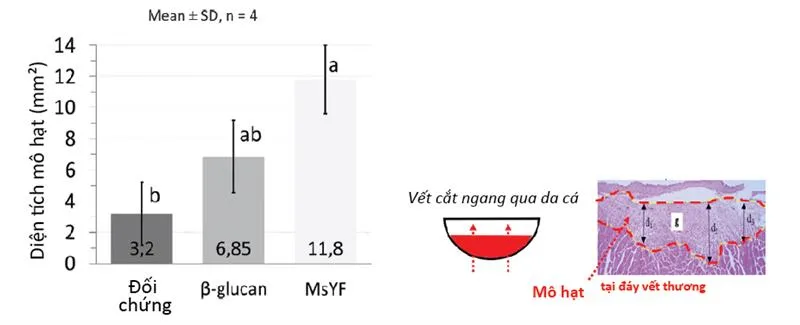
Figure 3. Comparison of granulation tissue regeneration between injured fish without supplementation, fish supplemented with β-glucan solution, and fish supplemented with YANG (MsYF)
Conclusion
Fish transfer is a critical but risky step that can severely impact farming performance and animal welfare. As part of a sound transfer protocol, the nutritional yeast derivative YANG is an effective tool to support fish health and resilience, with clearly demonstrated benefits on the gut and skin mucosal barriers when fish face challenging conditions. Furthermore, YANG's ability to accelerate skin wound healing is also expected to help fish recover better after transfer and handling.