Results show partial and full compensatory growth after temperature and feed challenges
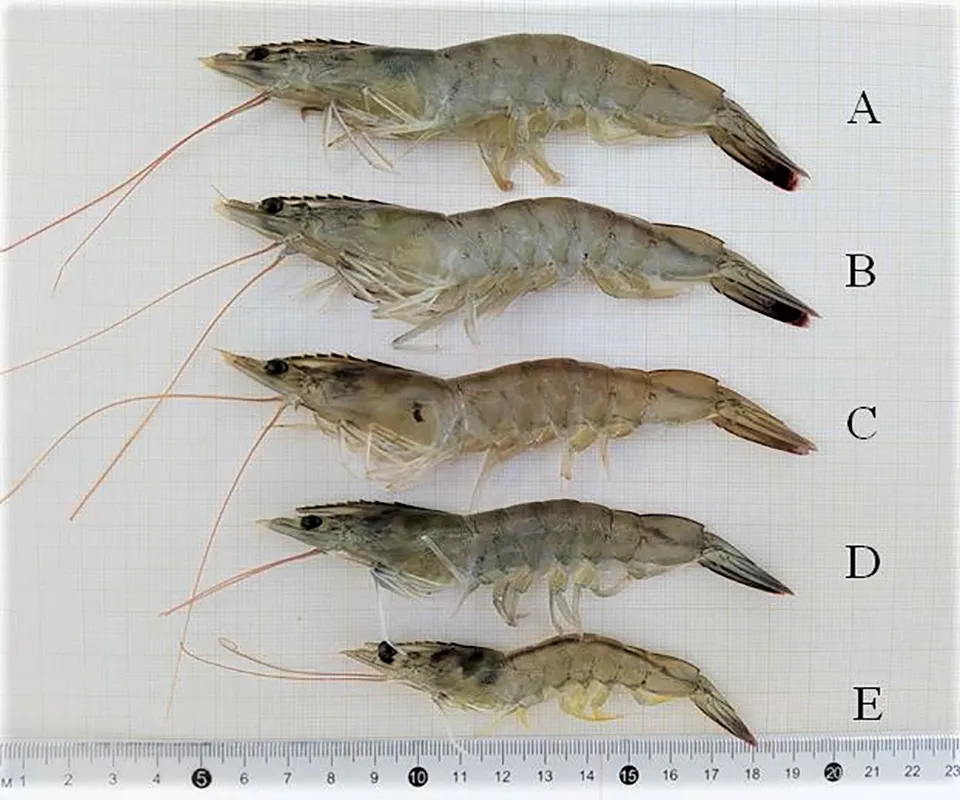
Figure 1. Shrimp growth results for different compensation levels compared to the control group (B). (A) Overcompensation; (C) Full compensation; (D) Partial compensation; (E) No compensation
One of the potential management measures to improve productivity in shrimp farming is the application of Biofloc Technology (BFT), which offers several production advantages compared to traditional systems. BFT systems improve water quality, thereby eliminating the need for water exchange to reduce or eliminate wastewater.
Additionally, Biofloc systems help increase stocking density, improve biosecurity, and remove nitrogen compounds through the absorption by the microbial system. This microbial community also acts as a supplementary food source for shrimp, providing a continuous 24-hour feed supply and also allowing for a reduction in the protein level of the provided feed.
Compensatory growth is defined as a physiological process in which cultured animals undergo a period of rapid growth after a period of restricted development. This varies depending on the species, life stage, environmental conditions, degree and duration of restriction, and how the organism responds when culture conditions are improved or ideal conditions are restored. Compensatory growth has been studied in several aquatic species (including shrimp) under various conditions, including feed restriction, hypoxia, high density and temperature, and exposure to toxic compounds. It can occur at different levels (Chart 1), according to the classification below:
- Full compensation: Cultured animals that have undergone a restricted period reach a weight equivalent to animals under normal conditions.
- Partial compensation: Cultured animals that have undergone a restricted period exhibit rapid growth and may have a better feed conversion ratio during the recovery phase, but do not reach the same weight as animals under normal conditions.
- Overcompensation: Cultured animals that have undergone a restricted period reach a higher weight than animals under normal conditions.
- No compensation: Stressed cultured animals do not grow further when optimal conditions are re-established.
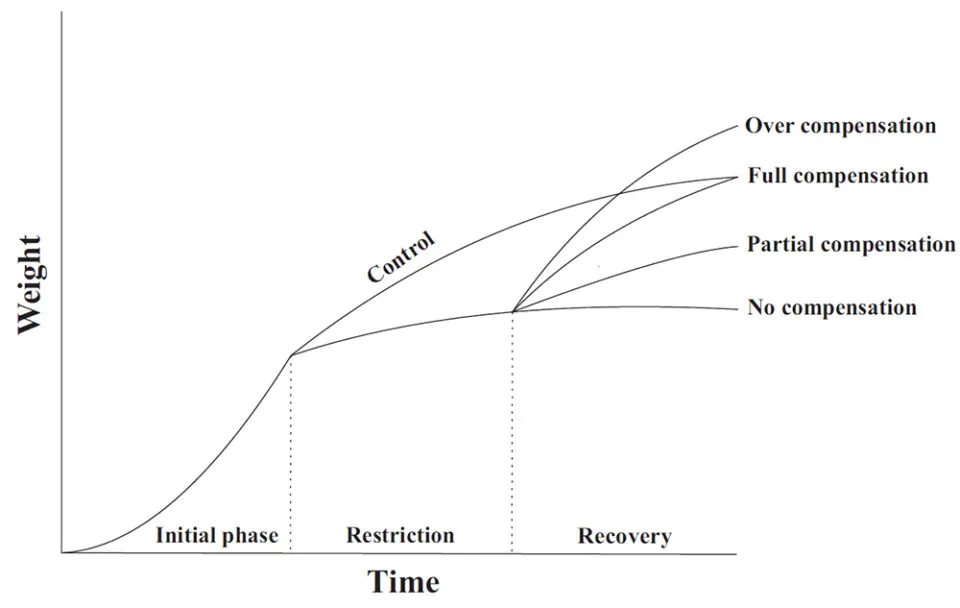
Chart 1. Theoretical model of compensatory growth in shrimp in Biofloc systems
The culture of whiteleg shrimp (Litopenaeus vannamei) in Biofloc systems has been developed in Brazil, mainly in the South and Southeast regions. In these areas, production is often limited by low temperatures during autumn and winter. Therefore, evaluating compensatory growth after re-establishing optimal temperatures for the species will allow for two or more production cycles per year despite the low growth rates experienced during autumn and winter.
In addition to studying compensatory growth from temperature changes, evaluating the impact of this process related to feed management is important, because feed during cultivation is the main production cost – up to 60% in intensive shrimp farming. Therefore, using feed restriction as a trigger for compensatory growth could be a strategy to reduce feed demand and costs.
We conducted a study to evaluate compensatory growth in whiteleg shrimp at different temperatures and under feed restriction conditions at 28°C. The study was carried out at the Marine Aquaculture Station (EMA), part of the Institute of Oceanography, Federal University of Rio Grande in Southern Brazil.
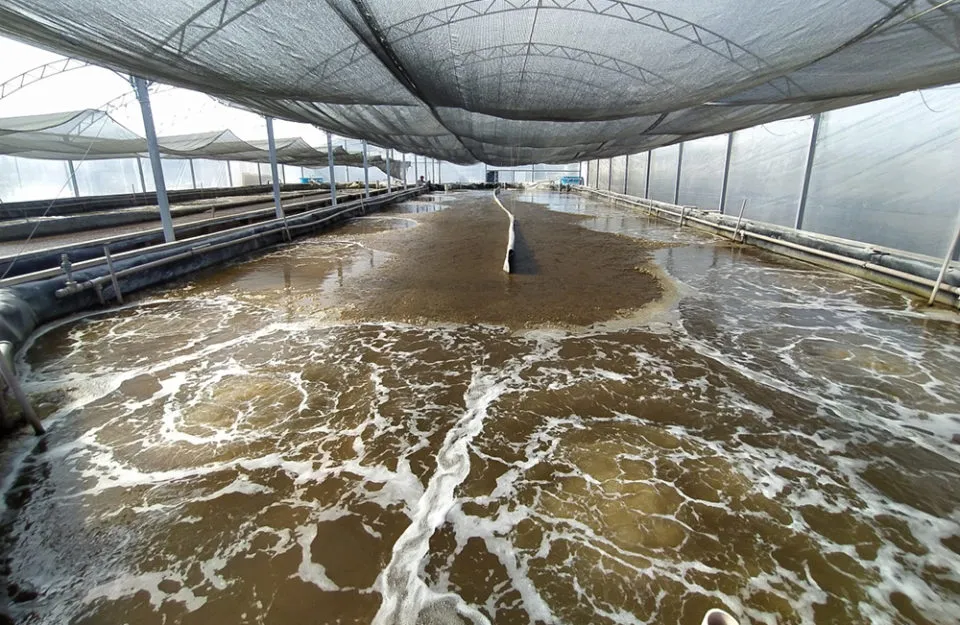
Figure 2. Biofloc system at the Marine Aquaculture Station (EMA), where samples for this study were collected
Study Setup
Whiteleg shrimp (initial weight 1.78 g ± 0.38) were initially stocked at a density of 300 individuals/m3. Two experiments were set up involving temperature and feed restriction for 65 days, divided into two phases: the restriction phase and the recovery phase.
To evaluate compensatory growth at different temperatures (Experiment 1), three groups were established (in triplicates), in which shrimp were tested at three temperatures (20, 24, and 28°C) during phase 1, and then all experimental groups were returned to 28°C for 30 days (phase 2 – recovery).
For the feed restriction experiment (Experiment 2), three groups were established (in triplicates): (1) Control group, in which shrimp received 100% of the feed throughout the entire experimental period; (2) Restricted group, in which cultured animals received only 40% of the feed amount compared to the control group during the first 35 days of the experiment (phase 1) and were then fed 100% like the control group (phase 2). All experimental groups were maintained at 28°C.
In both experiments, shrimp were fed a 38% protein diet twice daily using feeding trays.
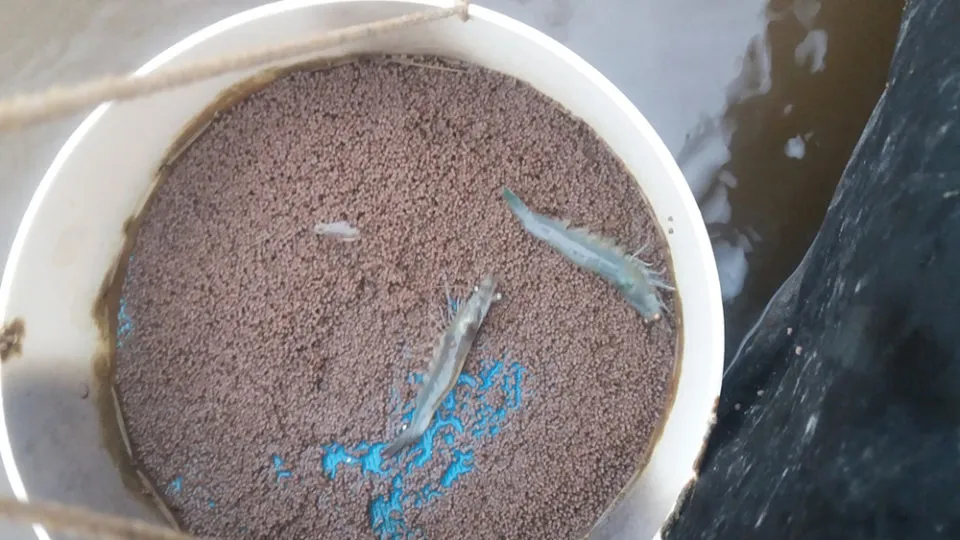
Figure 3. Use of feeding trays to control feed consumption during the study
During the study, water temperature, dissolved oxygen, salinity, and pH were monitored twice daily. Total ammonia, nitrite, and alkalinity were monitored three times a week, while nitrate, phosphate, and total suspended solids were monitored once a week. Alkalinity was adjusted according to Furtado et al. (2011) using hydrated lime to maintain concentrations above 150 mg/L and pH 7.2.
Results and Discussion
Water quality parameters – including dissolved oxygen concentration, salinity, pH, ammonia, nitrite, nitrate, alkalinity, total suspended solids, and phosphate – were maintained at acceptable levels for whiteleg shrimp throughout the study.
For Experiment 1, shrimp in the 20 and 24°C treatments had significantly lower final weights compared to shrimp under 28°C conditions (Chart 2). Survival rates among treatments showed no significant difference, and shrimp in the 20 and 24°C treatments also achieved high weekly growth rates during the recovery phase (Chart 3).
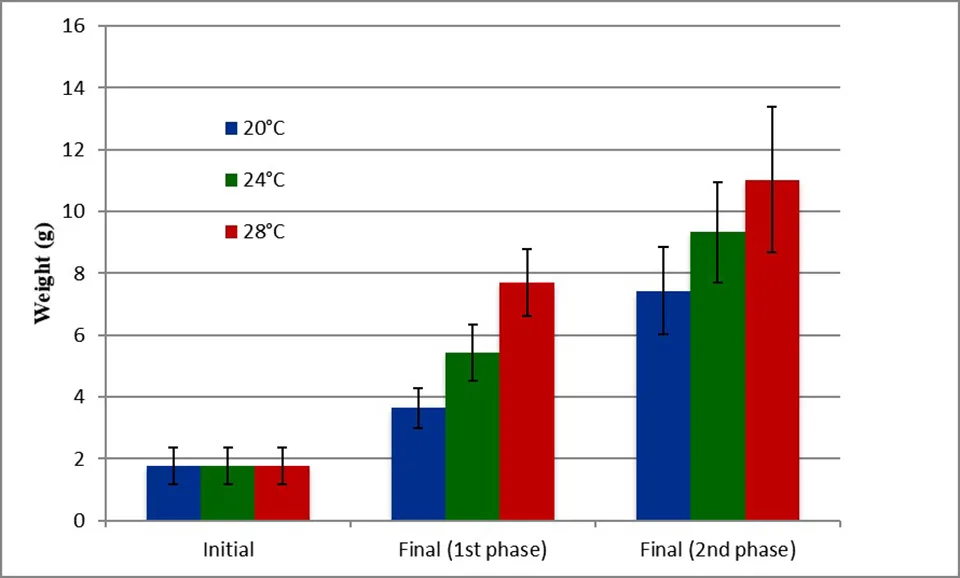
Chart 2. Initial and final weights of shrimp in phases 1 and 2 for the 20, 24, and 28 °C treatments
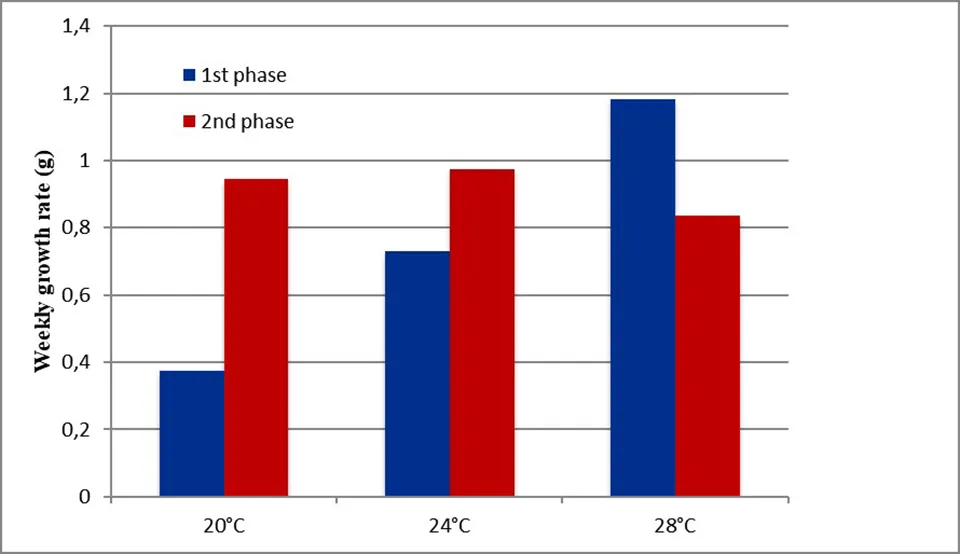
Chart 3. Weekly growth rate (g/week) of shrimp in phases 1 and 2 for the 20, 24, and 28°C treatments
Tóm tắt nội dung chính: Sự nóng lên toàn cầu làm thay đổi hệ vi sinh vật đường ruột của tôm thẻ chân trắng Thái Bình Dương bằng cách[...] Tổng hợp thị trường tôm thế giới 2025: Ecuador dẫn đầu xuất khẩu (1.39M tấn, +15%), EU tăng nhập khẩu mạnh nhất (+21%), Mỹ biến động[...] As the aquaculture industry increasingly develops strategies for animal health protection, functional nutrition has become a key fac[...]Products linked to this topic
Related technical articles

CHANGES IN GUT MICROBIOTA DUE TO GLOBAL WARMING. REGULATING HOST HEALTH AND DISEASE STATUS IN POIKILOTHERMIC ANIMALS

Global Shrimp Market 2025 Overview — Shrimp Insights Bulletin February 2026

SALMON UNDER STRESS CONDITIONS: REINFORCING THE FIRST LINE OF DEFENSE