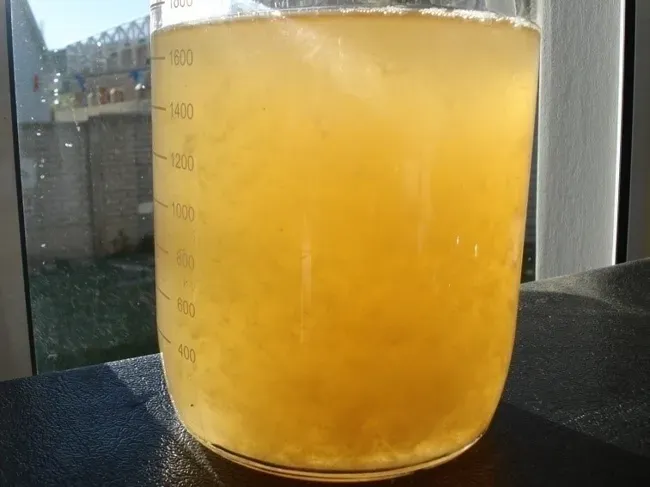
A recent supplementary study by Khanjani et al. evaluated the nutritional value and functional properties of biofloc biomass and dried biofloc powder as a way to enhance aquaculture feed quantification. The study showed that biofloc contains significant amounts of protein and fat, with the added benefit of being continuously available to the culture. Probiotics and microbial derivatives can activate immunostimulatory effects, reducing the feed requirements of cultured animals by 30-50%.
One of the lead authors of these two studies is Dr. Maurício Emerenciano, who has analyzed and developed shrimp and fish production techniques, especially biofloc technology (BFT) systems, over the past 15 years. In 2018, he joined the Commonwealth Scientific and Industrial Research Organisation (CSIRO) supporting aquaculture projects in Australia and Vietnam.
From 2018 to 2021, he worked at BFT-based intensive shrimp farms in Vietnam. His team conducted a series of commercial-scale trial systems that yielded high productivity, including stable survival rates above 90% and a maximum yield of 46 tons of shrimp/ha per crop.
Dr. Maurício Emerenciano shares 4 ways to optimize BFT stability:
1. Monitor and Maintain Water Quality
BFT requires optimal alkalinity and dissolved oxygen to maintain stable microbial populations. Strict control of water quality using reliable equipment and methods is essential to generate accurate data.
“The key to achieving consistent performance is generating reliable data using well-calibrated, fast, and reasonable equipment. Expensive technology is not mandatory, but reliable equipment is key. Dr. Emerenciano explains: We still primarily perform manual monitoring in our projects. “Without reliable data and close monitoring, you can miss critical windows for action. You would be surprised by the amount of erroneous data you can find in the field. Especially at the start of a production cycle, it is imperative to monitor the curves of N compounds, alkalinity, and Vibrio density so you can take appropriate action when needed.”
2. Nurture the Microbial Community in the Culture System
A proper understanding of the complex bacterial dynamics of BFT is crucial for success. There are 3 communities that need to be balanced: algae, heterotrophic bacteria, and nitrifying bacteria.
Since BFT is constantly exposed to sunlight, it can quickly be overwhelmed by algae. To control this, it is necessary to limit available light to ensure a balanced and healthy heterotrophic bacterial population.
For BFT, algae can be beneficial but should never dominate; algal blooms must be prevented as they can significantly reduce oxygen levels at night.
How to create and maintain a stable heterotrophic nitrifying community?
Dr. Emerenciano: “Stable water quality parameters. Monitor the development of the nitrifying community by noting trends and peaks of N compounds.”
The nitrogen cycle is always active in BFT. Stable levels of dissolved oxygen, pH, salinity, and temperature help stabilize the nitrifying community. Additionally, appropriate alkalinity and suspended solids levels will help the desired microbial populations thrive.
The development of the heterotrophic microbial community can be further promoted by closely managing the C:N ratio by supplying external carbon sources to the culture system when needed.
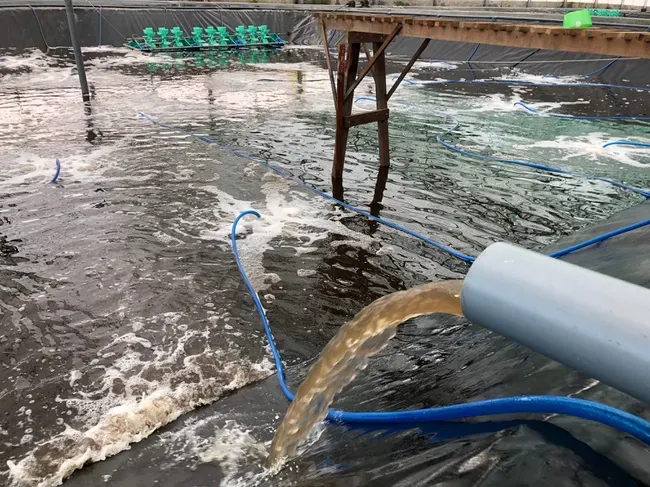
“In the culture system, we add external carbon sources (e.g., molasses) as a management tool when necessary. This promotes the growth of heterotrophic organisms, thereby keeping the water stable to prevent algal blooms,” Dr. Emerenciano notes.
Microbial strains from reliable brands can be used to ensure the development of the correct community of the most effective species.
3. Proper Feed and Waste Management
Due to minimal water exchange in BFT, continuous monitoring and management of water quality and waste are necessary. Waste can be minimized by properly adjusted automatic feeders and high-quality feed, which both stimulates growth and increases digestibility, also helping to control waste volume.
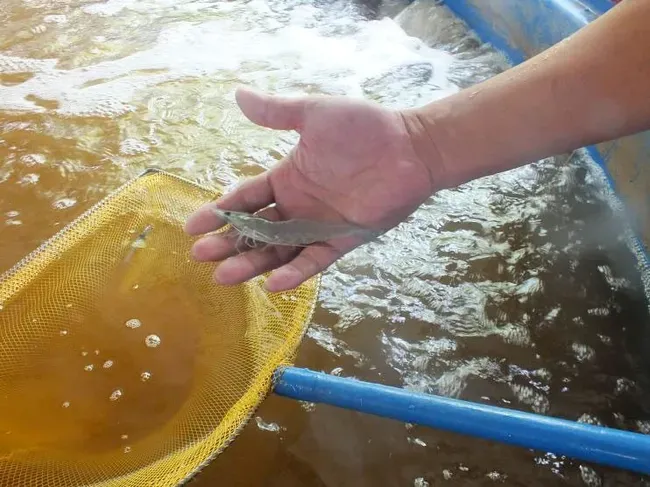
Dr. Emerenciano: “Although high-quality feed is more expensive, the final results in the culture process will be much better.
Appropriate feeding strategies should be adopted, and overfeeding avoided.
Based on water quality monitoring results, adjust feed amounts. When nitrogen peaks or when temperatures drop, feed amounts should be reduced appropriately and precisely.
Poor quality feed, excess carbon sources, or overfeeding will increase sludge and pathogen proliferation in the culture system. Dissolved oxygen, pH, and other parameters such as ammonia, nitrite, and Vibrio bacteria will also be affected. Sludge accumulation is a powerful factor in system imbalance and a perfect recipe for disaster.
Every parameter in BFT needs to be in balance. Imbalance can lead to many risks. Pathogen proliferation is often directly related to water quality, feeding, and improper waste management.
4. Use Proper Techniques and Tools
Successful BFT requires appropriate infrastructure. Proper aeration, sludge removal, and effective siphon pit design are crucial. The system needs an appropriate number of paddlewheels, with good water movement and oxygenation. Dr. Emerenciano: “Simple technology is good, but keep the system clean and well-maintained to ensure everything operates at peak performance.”
Future Developments
Dr. Emerenciano: “The future of BFT is quite promising, but there are still some shortcomings that require further research. Meanwhile, decision-support tools using artificial intelligence, linked and connected to automatic feeders, water quality sensors, and cloud-based data systems, will help accelerate operational response times.
I always emphasize continuous monitoring, which can truly optimize response times and system input requirements. We should embrace technology because understanding it can help accomplish some incredible tasks with just a mobile phone. I think we will see a true revolution in automated and digital aquaculture within a decade.
New thermal storage technologies and reliance on cost-effective renewable clean energy sources, such as solar, small-scale hydropower, and wind energy, will also be a challenge in the coming decade. Some technologies can reduce the carbon footprint not only of BFT but also of all our future aquaculture operations.”
Another important aspect is proper waste treatment, especially in developing countries, where natural systems are relatively abundant but often threatened by development and pollution. Improper waste treatment and disposal can lead to pathogen outbreaks. We are witnessing this repeatedly. The ongoing battle with AHPND/EMS in Southeast Asia is a perfect example, making regular pathogen monitoring mandatory.
Keeping up with new developments and technologies will ensure stable aquaculture production in the future. In biofloc technology, reduced feed requirements, clean and microbe-rich water, probiotic benefits, and better broodstock production at comparable costs can be realistically achieved when adhering to appropriate management techniques. It is no surprise that more and more aquaculture farmers are adopting this system.
Source: Thefishsite
Translated by: Trần Thị Thúy Quyên