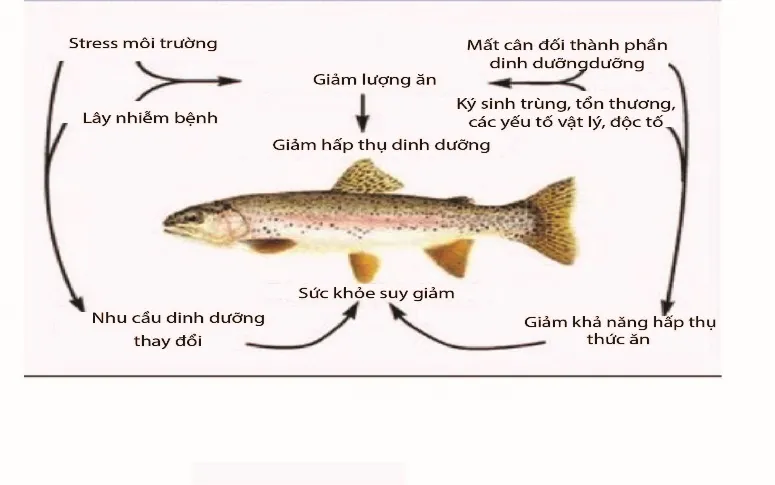
“Providing good nutrition in aquaculture systems is essential for producing a high-quality and safe product.” said Mr. Prakash Chandra Behera, Technical Director (Aqua Division), PVS Group, India.
The role of vitamins and multivitamin diets in enhancing immunity, growth, and biological performance in shrimp/fish.
Vitamins are essential nutrients in food. They perform specific and important functions in a variety of bodily systems and are also crucial for maintaining optimal health. Vitamins are a heterogeneous group of organic compounds that are vital for the growth and maintenance of aquatic animals. Most vitamins are not synthesized by the fish/shrimp body or are present at levels too low to meet the needs of aquatic animals.
Vitamins differ from major food nutrients (proteins, fats, and carbohydrates) in that they are not chemically related to each other. They are present in very small quantities in animal and plant foods. They are required by the fish/shrimp body in trace amounts. Approximately 15 vitamins have been isolated from biological materials, and their essentiality depends on the species, growth rate of the animal, feed composition, and the bacterial synthesis capacity of the animal's digestive tract. Generally, all individuals exhibit morphological and physiological differences when vitamins are absent from the diet.
There are two different forms of vitamins: fat-soluble vitamins and water-soluble vitamins.
Fat-soluble vitamins are dissolved in fat before they are absorbed into the bloodstream to perform their functions. These vitamins dissolve in the digestive tract in the presence of fat and can be stored in the body's fat reserves whenever the diet exceeds the body's metabolic needs.
These fat-soluble vitamins include: Vitamin A1 (Retinol, retinal, retinoic acid), Vitamin A2 (Dehydroretinol), Vitamin D2 (Ergocalciferol), Vitamin D3 (Cholecalciferol), Vitamin E (Tocopherol, tocotrienols), Vitamin K1 (Phylloquinone), Vitamin K2 (Menaquinone)), Vitamin K (Menadione).
Water-soluble vitamins are not stored by the body. They are automatically excreted in urine, thus requiring a continuous daily supply in the fish/shrimp diet. Water-soluble vitamins are easily destroyed or washed away during storage or feed preparation. Body organs rapidly weaken in the absence of water-soluble vitamin sources, if following a normal diet that does not provide this group of vitamins.
These water-soluble vitamins include: Thiamin (Vitamin B1), Riboflavin (Vitamin B2), Niacin (Vitamin B3), Vitamin B6 (Pyridoxol, pyridoxal, pyridoxamine), Pantothenic acid (Vitamin B5), Biotin (Vitamin H, Vitamin B8), Folic acid (Vitamin M), Vitamin Bc, Vitamin B9), Vitamin B12 (Cobalamin), Choline (Gossypine), Vitamin C (ascorbic acid).
VITAMIN C
Vitamin C is the most important vitamin as it is a powerful antioxidant and immune booster for fish/shrimp. Fish and shrimp bodies need Vitamin C (ascorbic acid or ascorbate) to maintain good health.
Optimal functions of Vitamin C:
Stress: Ascorbic acid concentrations in fish/shrimp tissues change during periods of stress. Vitamin C helps prevent: environmental stress, general stress, disease stress, transport stress, osmotic stress...
Toxic Gas Detoxifier: Ascorbic acid helps eliminate ammonia in ponds and reduces the toxic effects of nitrite concentrations in intensive aquaculture systems.
Wound Healing: Vitamin C helps form collagen in the body and aids in rapid wound healing for fish/shrimp.
Reproduction: Aids in egg and sperm formation, optimal reproductive capacity, improved hatching rates, and healthy larvae.
Larval Nutrition: Diets supplemented with Vitamin C promote embryo/larval development and reduce early-stage mortality in fish/shrimp.
Immunity: Vitamin C is at the top of the list among natural immune boosters for fish and shrimp. Vitamin C possesses immunostimulatory properties and compensates for immune deficiencies. It protects the fish/shrimp immune system by stimulating the activity of immune cells, including neutrophils and phagocytes. Collagen prevents various diseases caused by bacteria and viruses. Mucus helps prevent microorganisms from entering the body through the skin, gills, and gastrointestinal mucosa. High concentrations of Vitamin C in white blood cells allow the immune system to function well by protecting against oxidative damage from free radicals generated during their activity against bacterial, viral, or fungal infections.
Antioxidant: Free radicals, such as superoxide, hydroxyl ion, and nitric oxide, all contain an unpaired electron. These free radicals can have negative effects on cells, causing oxidative damage leading to cell death. Antioxidants, such as Vitamin E & Vitamin C, prevent cell damage by binding to free radicals and neutralizing their unpaired electron. Ascorbic acid is well-known for its antioxidant activities. Ascorbate acts as a reducing agent to reverse oxidation in aqueous solutions.