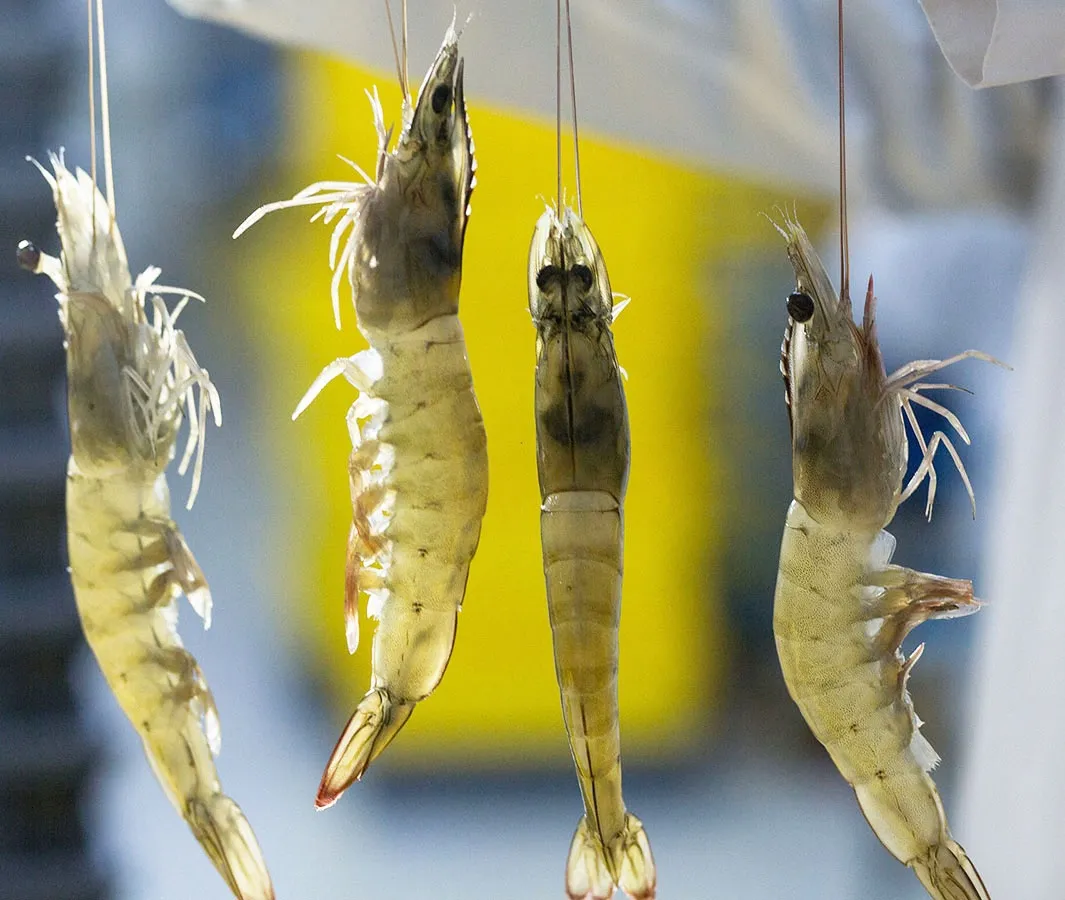
Gregarine causes shrimp to eat less, grow slowly, and reduce nutrient absorption, leading to significantly slower growth than usual.
Gregarine is a protozoan parasite in the digestive tract of most shrimp species. They appear 40-50 days after stocking and are more prevalent in high-density ponds, ponds with excessive organic matter, and during prolonged hot weather. Although it does not cause mass mortality, the presence of Gregarine causes shrimp to eat less, grow slowly, and reduce nutrient absorption, leading to significantly slower growth than usual.
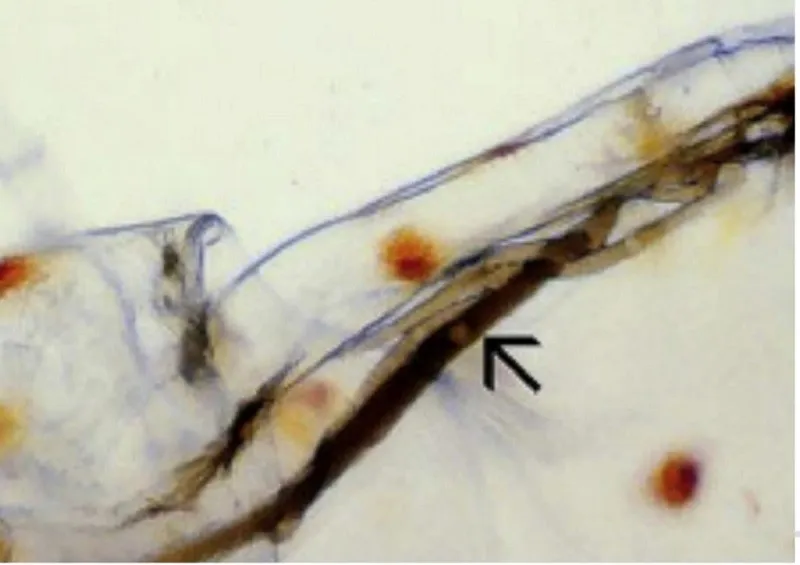
Gregarine, also known as biflagellate parasites, has at least three genera found: Nematopsis spp, Cephalolobus spp, and Paraophioidina spp. Most Gregarines have 2 to 3 segments, with the last segment having a suckering organ used to attach to the stomach and intestinal walls of shrimp. Gregarine parasitizes the shrimp's digestive tract in the form of trophozoites (mature sporozoite stage) or cysts (gametocysts).
Shrimp become infected by ingesting intermediate hosts such as snails, bivalve crustaceans, or polychaete worms infected with Gregarine or their spores. This group of protozoa can spread widely in aquatic environments. According to a study by the author on shrimp diseases in Taiwan in 1989, over 80% of black tiger shrimp were infected with Gregarine.
When shrimp ingest intermediate hosts infected with Gregarine spores, the spores in the feed will germinate into sporozoites, which then attach to the shrimp's digestive organs, drawing nutrients from the host to develop into trophozoites. They attack the intestinal epithelium, causing damage, intestinal blockage, and completely impairing nutrient absorption in the foregut and hindgut of shrimp. This also creates an opportunity for other bacteria (typically Vibrio) to invade, causing other diseases in shrimp. It is very difficult to detect infected shrimp in the early stages with the naked eye until the severe stage where the shrimp's intestine turns yellow or yellowish-brown. In most early stages of infection, shrimp typically eat less, show noticeable slow growth, and the FCR (Feed Conversion Ratio) is also significantly higher.
To prevent diseases caused by Gregarine parasites, farmers can use stimulants to support growth and ensure the health of cultured shrimp. A study evaluating the effectiveness of using gut-optimizing stimulants to prevent Gregarine parasites in shrimp, conducted with 12 shrimp ponds divided into two groups (a control group with a standard diet and a group with a standard diet combined with stimulants for 12 weeks), showed that the shrimp weight obtained in the stimulant-fed group was 8% higher than the control group, and the FCRs obtained in these two groups were 1.6 and 1.72, respectively. The mortality rate for both groups at the end of the trial was recorded as 10%.
This indicates that gut-optimizing stimulants prevent intestinal damage caused by parasites, helping shrimp absorb nutrients better, reducing mortality rates, and thus improving shrimp growth rates. They are added to shrimp feed to stimulate shrimp immunity, enhance the capacity of the intestinal epithelium, and simultaneously disrupt the Gregarine life cycle and prevent their multiplication. These stimulants are plant-derived molecules that enhance shrimp immunity and control Gregarine invasion. These substances can be used throughout the production cycle and leave no residues in shrimp.
Additives are also used to enhance shrimp health support in preventing parasitic diseases caused by Gregarine. A trial at a shrimp farm in Ecuador also showed that using a product containing oregano essential oil significantly reduced Gregarine levels. After 5 days of feeding a product containing 50% oregano essential oil, the parasitic infection was reduced to a safe level.
Additionally, to prevent diseases caused by Gregarine parasites, farmers also need to properly prepare ponds, eliminate intermediate hosts such as snails and bivalve mollusks, and filter and treat pond water before stocking shrimp; Broodstock feed and fresh feed types must be thoroughly inspected or only fed after being cooked (Lavilla-Pitogo, 2000); Increase aeration in ponds during prolonged hot weather and supplement with vitamin C to boost the immunity of cultured shrimp.
Source: https://tepbac.com/