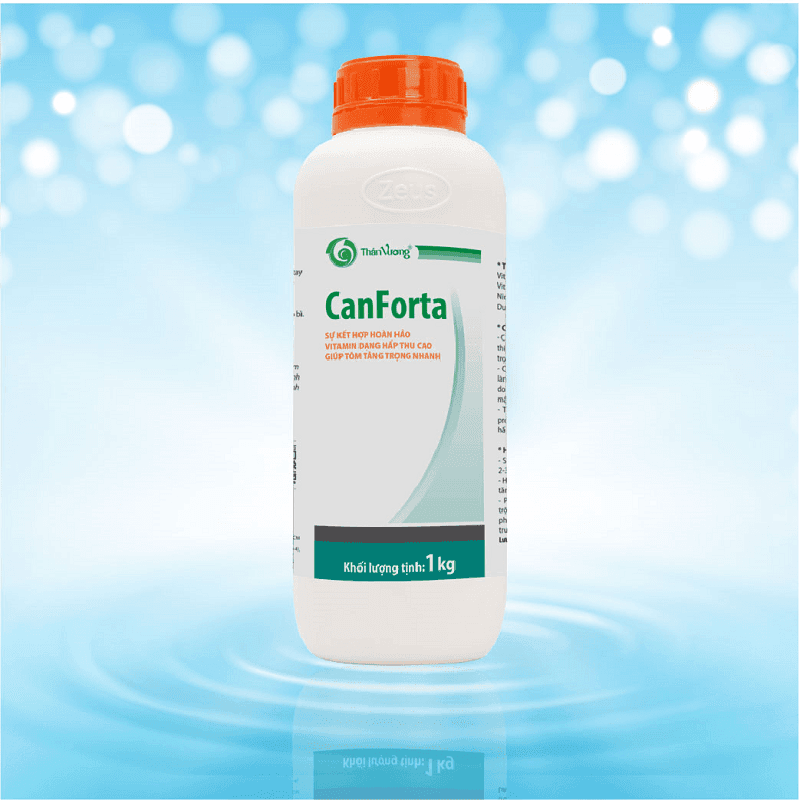
1. Functions and Roles:
- Emulsifiers in animal feed play a role in helping animals enhance energy metabolism, effectively absorb indigestible fats, improve diarrhea, and prevent visceral fat accumulation in livestock and aquatic animals, especially in the liver.
- Helps make lipids easily digestible, providing an energy source for fish and reducing feed costs.
- Provides flexibility in using plant-based raw materials.
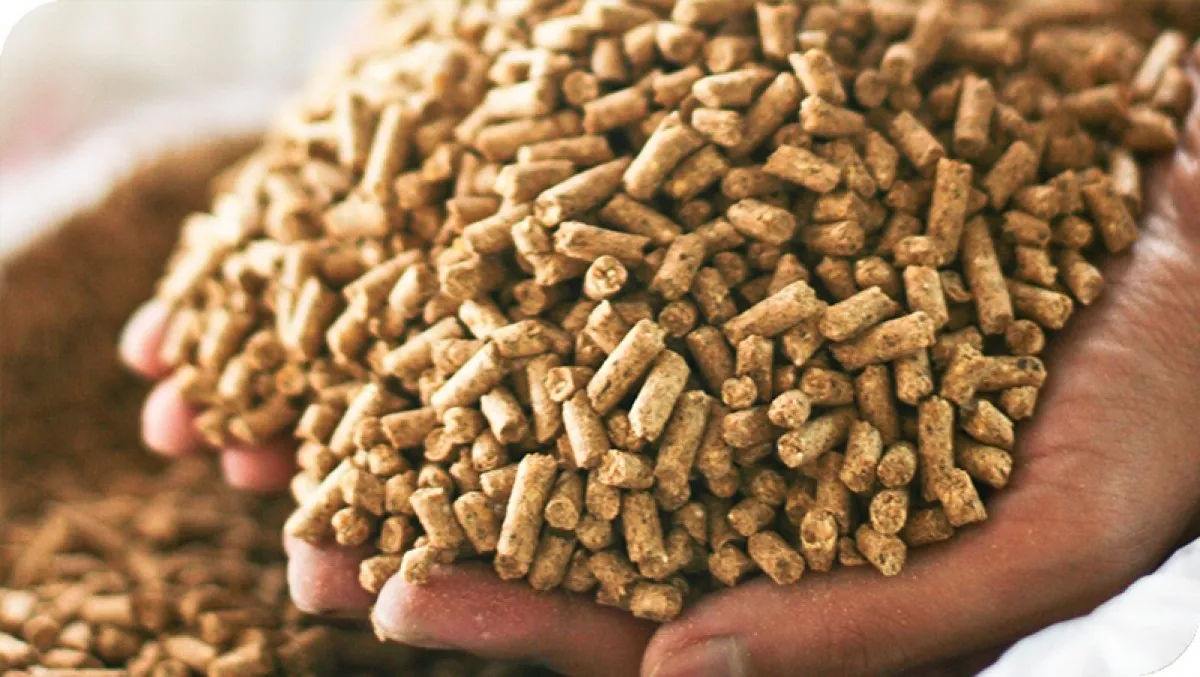
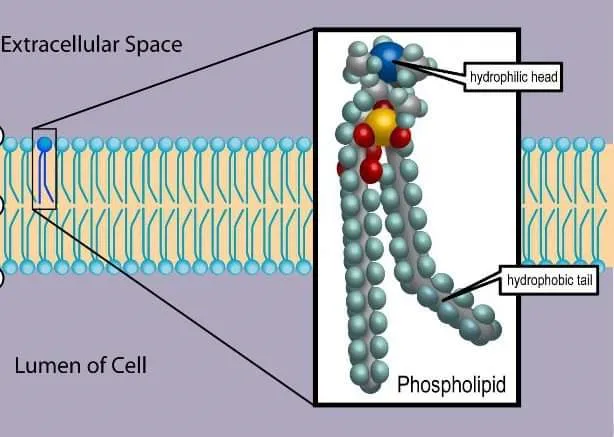
a. Lecithin & Lysolecithin: are well-known emulsifiers, with lecithin being the most common phospholipid used in animal nutrition.
- Lecithin and Lysolecithin are cost-effective solutions that improve the emulsion system in animal feed while stimulating nutrient absorption and uniform growth in various animals such as poultry, barramundi, and pigs.
- Lecithin is a phospholipid with surface-active properties that helps stabilize emulsion systems, found in soybean protein and egg whites.
- Supplementing lysolecithin in the diet of barramundi helps improve indices such as PE (protein efficiency) and FCR (feed conversion ratio).
b. Lyso-Phospholipid: is an emulsifier derived from Phospholipid after enzymatic hydrolysis.
- Promotes the formation of small micelles and high water absorption.
- Improves nutrient transport through the unstirred water layer surrounding the intestinal villi.
- Aids growth and improves FCR.
c. Bile Acids and Bile Salts: are emulsifiers composed of a mixture of potassium or sodium salts of conjugated bile acids derived from cholesterol with glycine or taurine.
- They are key metabolites of cholesterol, balancing cholesterol homeostasis and activating pancreatic lipase to hydrolyze fats into monoglycerides.
- In plant-based protein feeds, due to the limited availability of high-protein sources for many fish species, bile salt activity is reduced, leading to poor digestion. Supplementing bile salts is a way to overcome this impaired digestive function.

COMPILED FROM INTERNET DEPARTMENT - PKT