1. Definition of mold inhibitor:
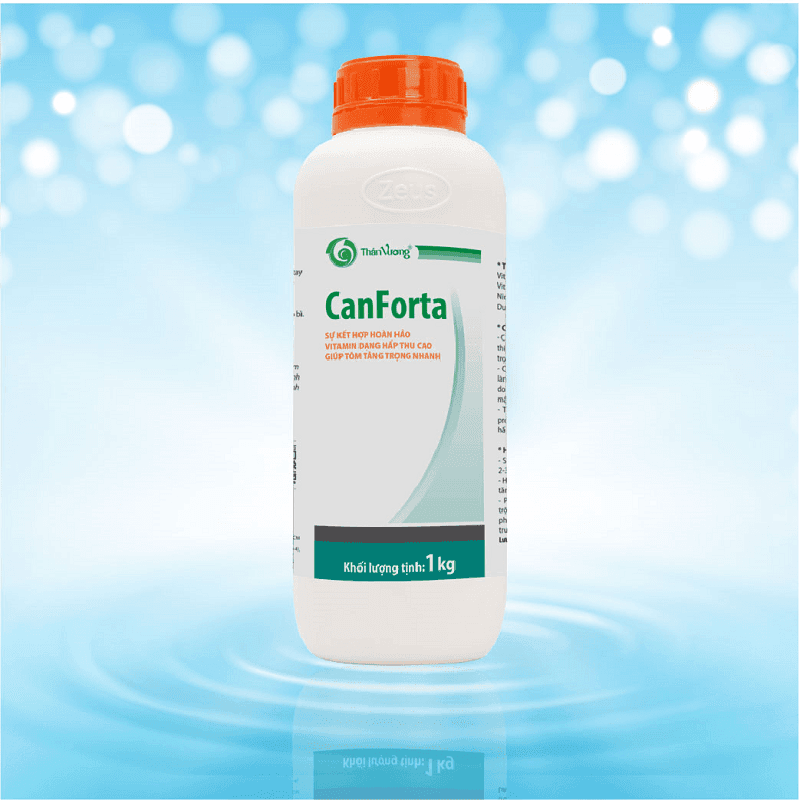
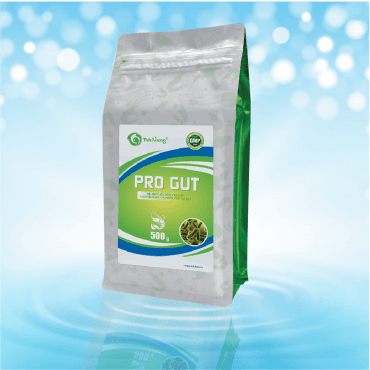
- A substance that prevents the growth of mold species capable of causing harm to aquatic animals.
2. Origin of mold:
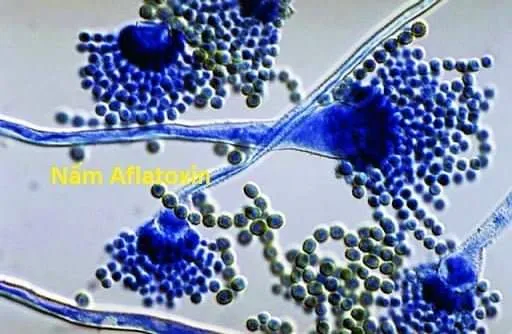
- Molds that develop and cause toxicity in feed are often *Aspergillus flavus*, producing aflatoxin, which is harmful to aquatic animals.
- Aflatoxin commonly develops on peanut meal, corn, and cassava.
3. Causes and the necessity of using mold inhibitors in aquaculture feed:
- Due to the scarcity of animal protein sources, there is a trend towards using more plant-based protein sources, leading to a higher risk of mycotoxin contamination because plants contain high oil content, making them very susceptible to mold growth.
- Additionally, adverse hot and humid weather conditions can cause spoilage, and molds can easily grow on feed.
=> Therefore, if not treated, feed quality will decrease, causing toxicity when fed to fish. To prevent this, mold inhibitors are added to feed as an essential additive.
- Common antifungal agents used include:
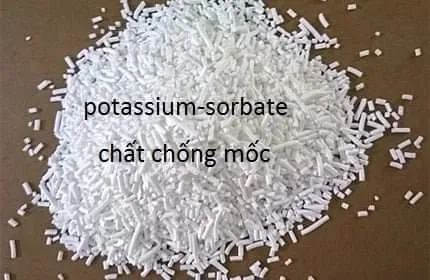
+ Potassium sorbate (2,000ppm) inhibits mold growth (does not kill mold).
+ Polypropylene glycol (1,2 – propanediol: 10,000ppm) inhibits and kills mold in feed. However, it does not completely eliminate aflatoxin.
+ Propionic acid, benzoic, and acetic acids inhibit the growth of other mold species.
4. Effects of mold on aquatic animals:
- When fish are infected with mycotoxins from Aflatoxin, it will affect liver function, causing liver swelling and the formation of tumors in the liver and kidneys.
- Slow growth, suppressed immune response.
- Reduced feed quality.
5. Solutions for mold control in feed:
- Add mold inhibitors during feed production to adsorb toxins and prevent mold growth.
- Choose reliable and reputable feed suppliers.
- Store feed in a cool, dry place to avoid humidity.
- Ensure raw materials are dried and free from insects and pests.
TECHNICAL DEPARTMENT - MINH DUC