Technical Article

PREVENTING TAIL ROT IN PANGASIUS FINGERLINGS

Challenges for pangasius fingerling farmers are currently significant, due to the increasingly polluted water environment, unstable weather patterns, and the growing prevalence of pathogen drug resistance, highlighting the urgent need for new, effective measures to effectively prevent diseases.

ProtocolShrimpMay 20, 2024👁 44 views
Click to listen to AI-narrated summary (1.2×)
AI Summary

Generate an English summary for PREVENTING TAIL ROT IN PANGASIUS FINGERLINGS

AI-generated summary based on the full article content below.

Editorial Framing

Why this article matters

    Full Article

    The challenges for pangasius fingerling farmers are currently significant, due to increasingly polluted water environments, unstable rainy and sunny weather, and the growing prevalence of pathogen drug resistance, posing an urgent need for new, effective disease prevention measures.
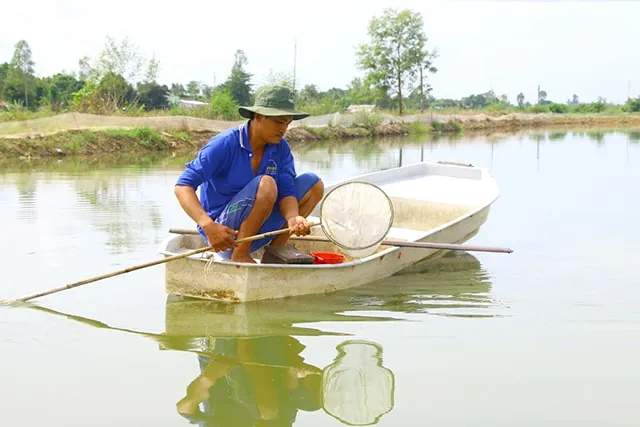
    prevention_of_fin_rot_disease_in_pangasius_fingerlings-min


    Causative agent of fin rot disease

    There are many opinions regarding the causative agents of fin rot disease in pangasius fingerlings, because when fish contract the disease, many species such as parasites, fungi, and bacteria are found on their bodies, leading to co-infections. Analysis has identified the primary causative agent as the gram-negative bacterium Flavobacterium columnare.
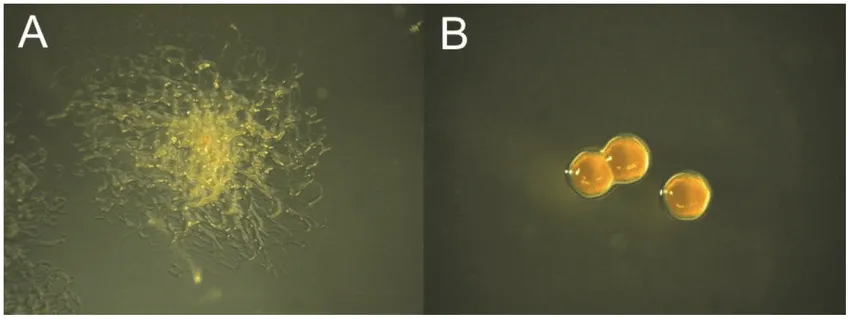
    Flavobacterium-columnare-colony-morphotypes-A-Ancestral-rhizoid-Rz-colony-and-B-min


    Causes of the disease

    There are many factors causing the disease, but the main issue is poor water quality throughout the rearing process, due to the impact of various factors such as: excess feed, heavy rainfall, cold season, and inadequate pond preparation, leading to conditions favorable for the strong development of pathogens in the pond sediment, harming the fish.

    Symptoms in fish

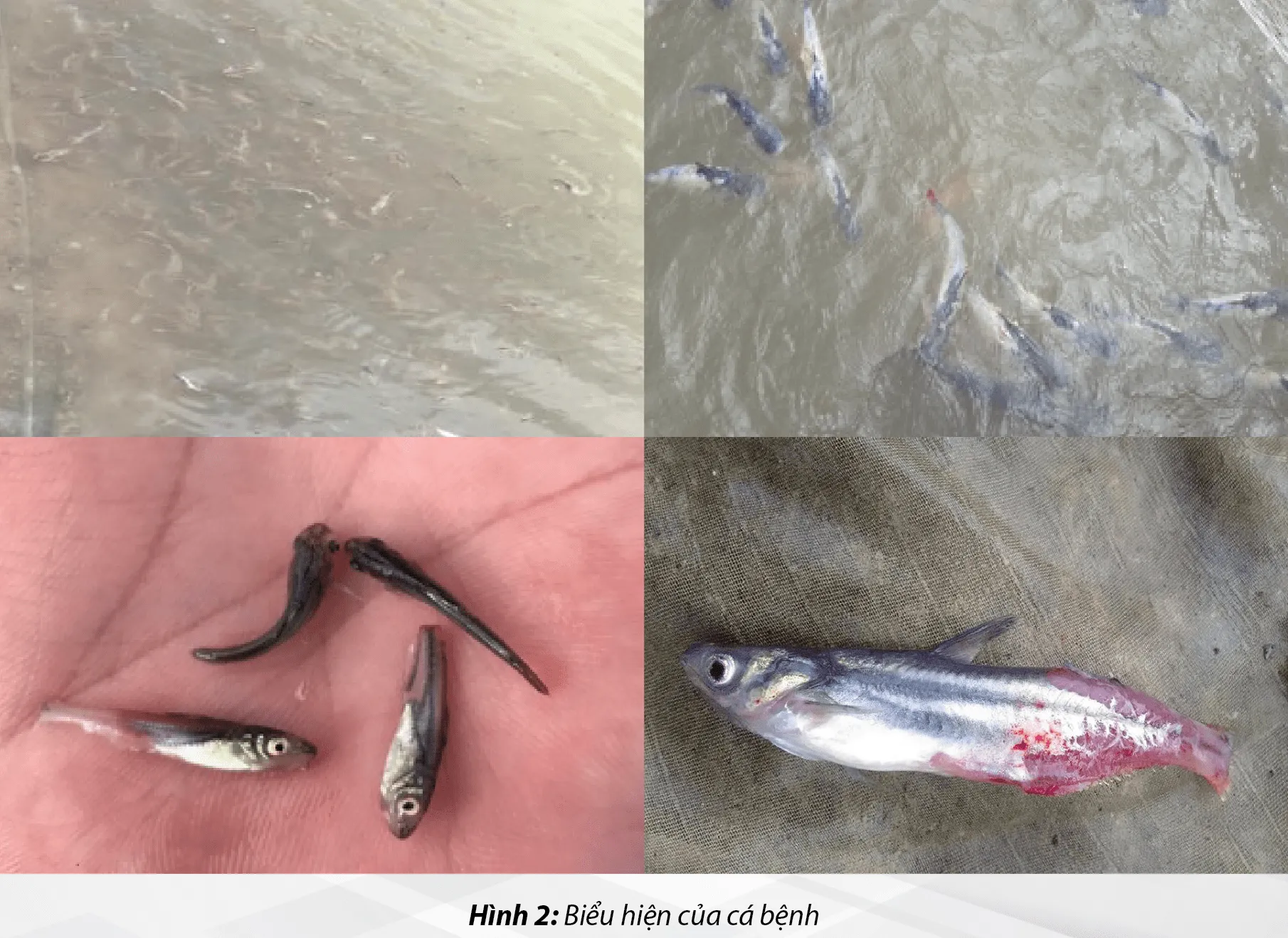
    When fish contract the disease, they will gather in areas with water flow, swim sluggishly and disoriented, secrete mucus, and have discolored skin patches on their bodies. Severe cases lead to ulcers, eroded tails, and necrosis on the body. The disease spreads very quickly if not treated properly and promptly, and fish will gradually die, leading to significant losses.
    Technical_Solutions___Prevention_and_Treatment_of_Fin_Rot_Disease_in_Fingerlings___P1_05-min


    Disease Prevention Methods: By Fish Age Stage

    Fish Age (Days)

    Treatment

    Dosage

    Notes

    15

    Workcop plus

    1 liter/6,000m3 water

    Treat in the morning

    Power gluta

    1 liter/6,000m3 water

    17

    Workcop plus

    1 liter/6,000m3 water

    Increase water level by 15cm

    Power gluta

    1 liter/6,000m3 water

    19

    Workcop plus

    1 liter/6,000m3 water

    Gradually increase water level by 15cm daily

    Power gluta

    1 liter/6,000m3 water

    22

    Chlorine

    1 liter/3,000m3 water

    Copper sulfate

    1 liter/4,000m3 water

    25

    Chlorine

    1 liter/3,000m3 water

    Copper sulfate

    1 liter/4,000m3 water


    Note: The water source supplied to the pond must be good, and regularly check water quality parameters (pH, NO2, H2S…) to make timely adjustments for stability.

    Technical Department, Than Vuong Company
     

    Related Products

    Products linked to this topic

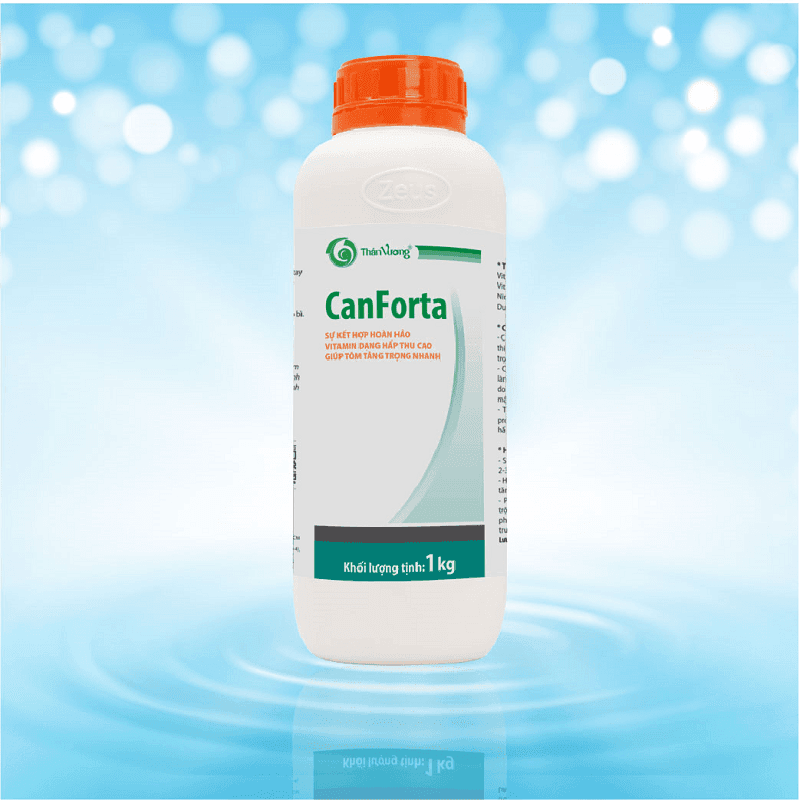
    Product reference for CANFORTA
    shrimpThần Vương Blue

    CANFORTA

    Vitamin dạng hấp thu cao giúp tôm tăng trọng nhanh

    Product reference for HERB GUARD
    shrimpThần Vương Blue

    HERB GUARD

    Tăng cường chức năng gan, cải thiện màu sắc khối gan tụy

    Product reference for CLEVER
    shrimpThần Vương Blue

    CLEVER

    Tinh chất men kháng khống chế bệnh chết sớm và phân trắng

    More Reading

    Related technical articles

    SỰ THAY ĐỔI CỦA HỆ VI SINH ĐƯỜNG RUỘT DO SỰ NÓNG LÊN TOÀN CẦU. ĐIỀU HÒA SỨC KHỎE VẬT CHỦ VÀ TÌNH TRẠNG BỆNH Ở ĐỘNG VẬT BIẾN NHIỆT
    Research InsightShrimpFebruary 28, 2026

    CHANGES IN GUT MICROBIOTA DUE TO GLOBAL WARMING. REGULATING HOST HEALTH AND DISEASE STATUS IN POIKILOTHERMIC ANIMALS

    Tóm tắt nội dung chính: Sự nóng lên toàn cầu làm thay đổi hệ vi sinh vật đường ruột của tôm thẻ chân trắng Thái Bình Dương bằng cách[...]

    Toàn cảnh thị trường tôm thế giới 2025 — Dữ liệu từ Shrimp Insights (Tháng 2/2026)
    Technical articleShrimpApril 9, 2026

    Global Shrimp Market 2025 Overview — Shrimp Insights Bulletin February 2026

    Tổng hợp thị trường tôm thế giới 2025: Ecuador dẫn đầu xuất khẩu (1.39M tấn, +15%), EU tăng nhập khẩu mạnh nhất (+21%), Mỹ biến động[...]

    CÁ HỒI TRONG ĐIỀU KIỆN STRESS: CỦNG CỐ TUYẾN PHÒNG THỦ ĐẦU TIÊN
    Solution TrackShrimpFebruary 27, 2026

    SALMON UNDER STRESS CONDITIONS: REINFORCING THE FIRST LINE OF DEFENSE

    As the aquaculture industry increasingly develops strategies for animal health protection, functional nutrition has become a key fac[...]

    Technical Advisor

    Aquaculture Q&A

    🦐

    Help us serve you better

    Share your name + phone so we remember your pond next time — no repeating yourself.

    • 🔒 Tech team only — never shared with third parties
    • 📨 No spam, no promotional SMS
    • 💾 History saved on your device — clear anytime