Photo: Internet
A recent study compared the effectiveness of biofloc systems supplemented with neem tree (Azadirachta indica) and unsupplemented biofloc systems in controlling luminous bacteria in whiteleg shrimp Litopenaeus vannamei.
The rapid increase of various pathogens in farmed shrimp leads to severe production losses in many tropical countries. Vibrio spp are often considered opportunistic pathogens in shrimp farming. Luminous bacteria (LB), especially Vibrio harveyi and sometimes other luminous species, have been recognized as devastating pathogens for penaeid shrimp larvae and adult whiteleg shrimp throughout Southeast Asia, Australia, and India. Diseases caused by luminous bacteria are reported to cause the highest mortality rates in shrimp hatcheries. The luminescence of Vibrio harveyi is the result of a chemical reaction in which chemical energy is converted into light energy (Azizunnisa and Sreeramulu, 2013). They are ubiquitous in marine environments (Nealson and Hastings, 1991) and part of the microbial flora in the shrimp gut (Abraham et al., 1998).
Previous studies have shown that virulence factors such as endotoxin, exotoxin, haemolysin, chitinase, lecithinase (Liu et al., 1996; Montero and Austin, 1999), low salinity (Prayitno and Latchford, 1995), R-plasmid (Aoki, 1992), are known to influence the infection of Vibrio spp. and other bacterial pathogens.
Over the past decade, whiteleg shrimp L. vannamei cultured in intensive biofloc systems with zero water exchange has become popular due to its efficiency and sustainability. Biofloc technology is characterized by Bacillus spp. bacteria, as this species predominates (Zhao et al., 2012). Bacillus spp. populations are antagonistic to Vibrio spp (according to Pattukumar et al. 2010).
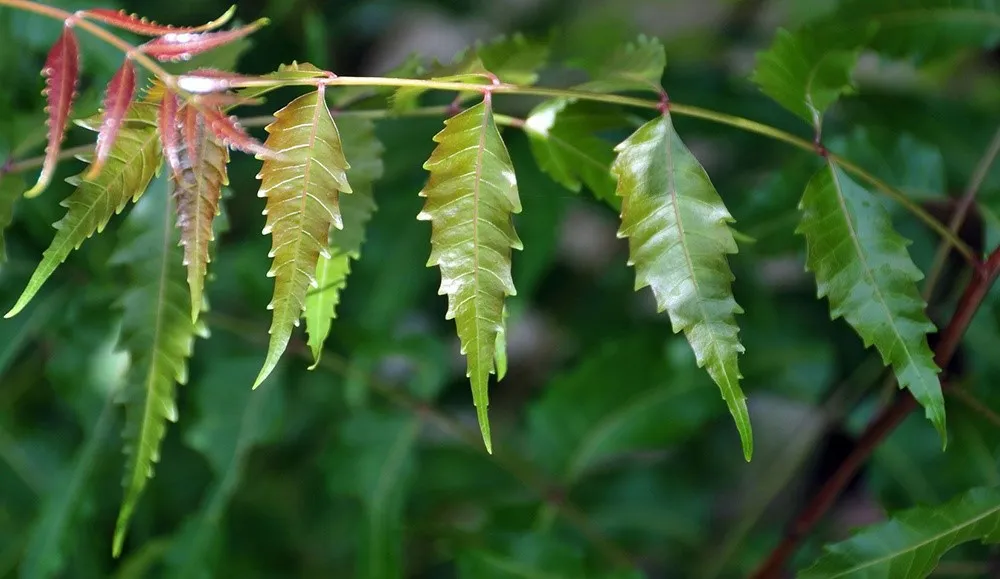
In aquaculture, various methods have been reported to control pathogenic Vibrio spp. strains, including chemicals, antibiotics, probiotics, herbal extracts, and natural essential oils. Among these, neem leaf extract (aquaneem) is considered a natural antibiotic and is used to reduce the impact of various pathogens at different doses. Different parts of the neem tree (Azadirachta indica) have potential as effective herbal medicine against fish diseases and other aquaculture pathogens (Pandey et al., 2012; Murthy and Kiran, 2013; Kannappan and Krishnamoorth, 2013).
Using Neem in Biofloc Systems
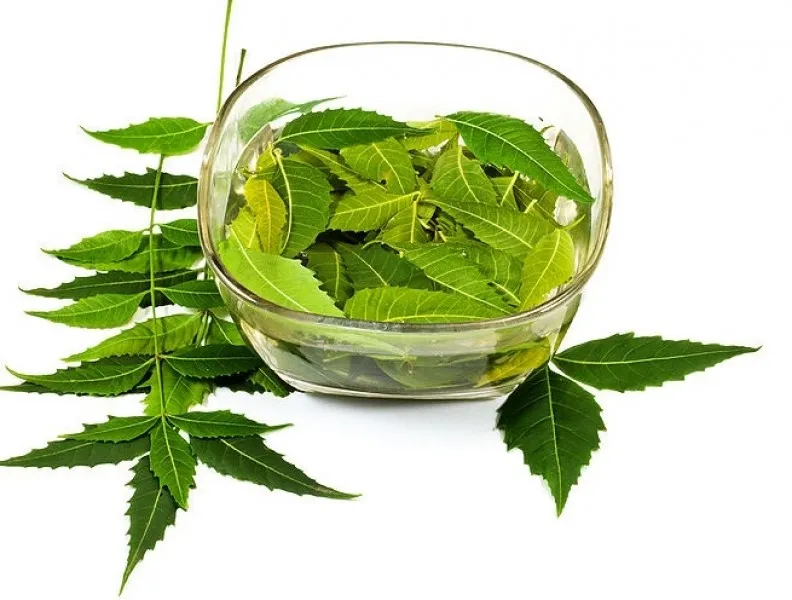
Azadirachta indica. Photo: advantagenature
The current study was designed to evaluate the impact of two biofloc environments with and without neem supplementation on reducing harmful luminous Vibrio spp in natural whiteleg shrimp ponds.
The impact of two biofloc systems, with and without neem, on reducing the abundance of luminous bacteria and pathogenic bacteria (Vibrio harveyi, V. parahaemolyticus, V. Alginolyticus, and V. Fisehri) was evaluated. The growth of Bacillus cereus and Lactobacillus spp. was examined in both summer and autumn in natural whiteleg shrimp (Litopenaeus vannamei) ponds in Rasulpur (21.83 N, 87.86 E), West Bengal, India.
Results
Biofloc responses in the bacterial reduction process of shrimp ponds varied seasonally; being more intense in summer. Neem used in biofloc systems should be used with caution as it also reduces beneficial bacteria, especially at low temperatures.
The results of this study indicate that the heterotrophic microbial community is more pronounced in biofloc systems compared to conventional Litopenaeus vannamei culture using only feed. Carbon-rich biofloc environments, with or without neem extract, directly affect the entire aerobic heterotrophic bacterial population, with a more noticeable effect in summer. Previous studies (Avnimelech, 1999, Shan and Obbard, 2001, Pérez-Rostro et al., 2014) also reported that carbon supplementation enhances bacterial abundance in fish and shellfish farming systems.
Biofloc promotes two strains, Bacillus cereus and Lactobacillus spp., which help reduce harmful bacteria in whiteleg shrimp ponds. And the beneficial bacterial population, especially Lactobacillus spp., negatively impacted the luminous bacterial population and helped reduce the number of luminous bacteria in both experimental groups, more significantly in summer.
Although the densities of Bacillus cereus and Lactobacillus spp. significantly increased in both experimental groups, the biofloc treatment supplemented with neem negatively impacted these beneficial bacteria, as significantly lower population sizes were recorded in the pond water and sediment. Therefore, the use of neem in biofloc systems should be avoided during low temperatures, such as in autumn.
From the above study, it is shown that shrimp farming using biofloc technology can limit diseases caused by Vibrio spp, especially the luminous bacterium Vibrio harveyi. And the use of neem extract in biofloc systems by farmers should be cautious and depend on the season (it can be used in summer to prevent bacterial diseases) but its use should be limited in autumn and winter when temperatures are low, as it can inhibit the growth of beneficial bacteria such as Lactobacillus spp.
(Amit Mandala, S.K. Das/ Aquaculture 492 (2018) 157–163)
Source: Tép bạc