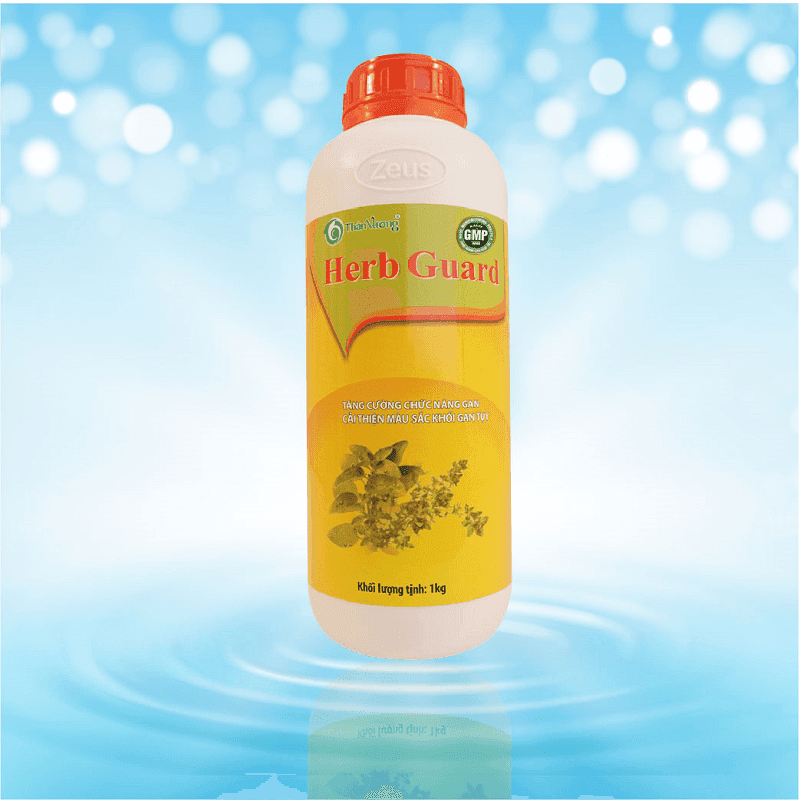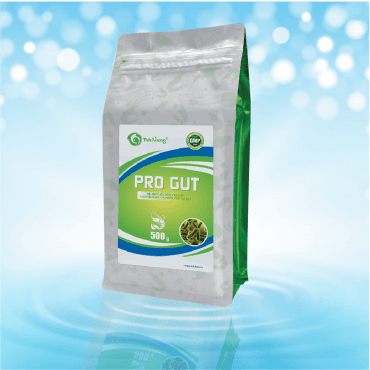
Phytobiotic can reduce the number of Vibrio in the gut and hepatopancreas, leading to improved health and survival rate.
In recent years, shrimp farming has developed rapidly due to high profit margins, offering great opportunities for those interested in this sector. In Asia, the production of Pacific whiteleg shrimp (Litopenaeus vannamei) reached over 3 million tons in 2015 with a value of 14 billion USD (FAO Statistics, 2015).
Despite significant efforts to produce specific pathogen-free (SPF) shrimp broodstock, farmers still face continuous disease outbreaks during cultivation. It is impossible for the shrimp farming environment to be completely pathogen-free, as the pond ecosystem naturally contains numerous bacteria and parasites. Some bacteria are essential for the ecosystem, while others are opportunistic. The balance between these bacteria is crucial in shrimp farming, especially to reduce their overgrowth and high mortality rates in shrimp. Nevertheless, farmers constantly contend with the presence of various pathogens in ponds: Acute Hepatopancreatic Necrosis Disease / Early Mortality Syndrome (AHPND/EMS), White Spot Syndrome Virus (WSSV), Enterocytozoon hepatopenaei (EHP) microsporidiosis, and White Feces Syndrome (WFS).
Phytotherapy
This is an effective therapy for farmed animals, helping them combat parasites, bacteria, and fungi. Preventive strategies combined with good management solutions are crucial for achieving better profits and moving towards sustainable development. Continuous supplementation of Phytobiotics in feed will result in healthier stock, with improved immune systems and growth performance. An experiment was conducted at Kasetsart University Liptoaqua-Liptosa, Spain, with Phytobiotic made from organic acids, plants, and essential oils; the 60-day experiment showed positive results for the survival rate and growth of Pacific whiteleg shrimp. The study began with post-larvae (PL10) transported from the hatchery and cultured for 2 days in glass tanks at the Aquaculture Business Research Center (ABRC) laboratory. Nine glass tanks (500 L) were used in this experiment, and post-larvae were stocked at a density of 80 individuals/tank (120 PL/m2). Salinity during the acclimatization and experimental phases was maintained at 25 ppt.
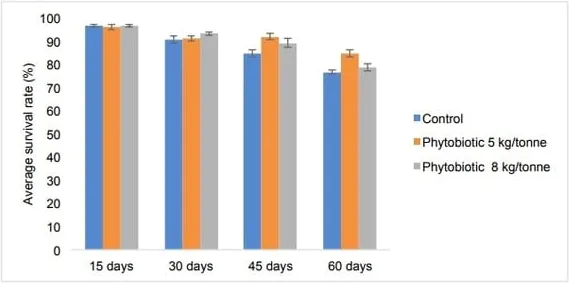
Figure 1. Average survival rate of Pacific whiteleg shrimp at 15, 30, 45, and 60 days fed with different diets
Shrimp were fed Liptofry phytobiotic, an externally coated feed from Charoen Pokphand Thailand (CP) with 36% crude protein, 5% lipid, and 4% ash, then mixed with fish oil and air-dried for 15 minutes. Three experimental groups were prepared with 3 tanks per group:
• Control group;
• Phytobiotic at 5 kg/ton;
• Phytobiotic at 8 kg/ton.
Growth and Survival Rate:
Shrimp were fed 4 times daily according to standard feeding rates. Water quality parameters such as pH, dissolved oxygen (DO), ammonia, and nitrite were measured weekly throughout the experimental period. At the end of the 60-day feeding trial, shrimp from all groups were weighed. Growth rate and survival rate of shrimp were statistically compared. Five shrimp from each tank were sampled to check the total count of Vibrio spp. in the hepatopancreas and gut.
Results showed that shrimp fed with Phytobiotic at a dose of 5 kg/ton had the highest survival rate of 84.7 ± 1.15%, significantly higher than the group fed with Phytobiotic at 8 kg/ton (78.7 ± 1.15%) and the control group (76.7 ± 1.15%) (p <0.05, Figure 1).
The average body weight (ABW) of shrimp is shown in Figure 2, and the feed conversion ratio (FCR) of shrimp fed with different diets is presented in Table 1. After the 60-day feeding trial, shrimp from the two Phytobiotic-fed groups showed significantly higher body weight (p <0.05) and significantly lower FCR compared to the control group.
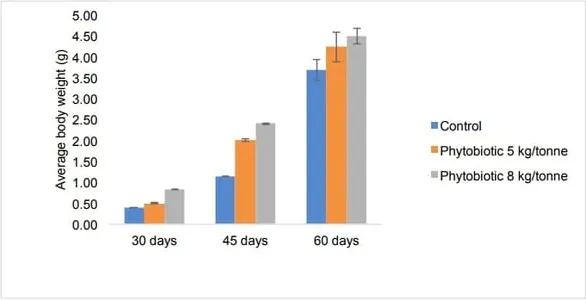
Figure 2. ABW of Pacific whiteleg shrimp at 30, 45, and 60 days fed with different diets
Table 1. Feed Conversion Ratio (FCR) of Pacific whiteleg shrimp after 60 days fed with different diets
|
Diet |
FCR |
|
Control group |
1.78 ± 0.14a |
|
Phytobiotic 5 kg/ton |
1.40 ± 0.12b |
|
Phytobiotic 8 kg/ton |
1.42 ± 0.05b |
Bacterial Count:
The average total count of bacteria and Vibrio spp. in the shrimp gut throughout the study period is presented in Table 2. Shrimp fed with Phytobiotic at doses of 5 and 8 kg/ton had significantly lower counts of bacteria and Vibrio spp. compared to the control group during 30 - 60 days of feeding.
The average total count of bacteria and Vibrio spp. in the shrimp hepatopancreas is shown in Table 3. Shrimp fed with Phytobiotic at doses of 5 and 8 kg/ton had significantly lower counts of bacteria and Vibrio spp. compared to the control group during 30 - 60 days of feeding.
Table 2. Bacteria and Vibrio spp. in the gut of Pacific whiteleg shrimp