A recent study has identified many benefits of co-culturing microalgae with whiteleg shrimp (Litopenaeus vannamei). The study found that adding the microalga T.pseudonana to the culture water significantly reduced levels of ammonia, suspended solids, orthophosphate, nitrite, and nitrate during the culture cycle. They also noted that microalgae helped regulate pH levels and increased dissolved oxygen levels during daylight.
The study also showed that adding microalgae to the culture environment reduced Vibrio concentrations in tank sediment and surrounding water. This suggests that microalgae can help shrimp be healthier by preventing pathogens. When compared to the control group, researchers noted that shrimp cultured with microalgae had significantly higher average weight gain and growth rates, while achieving the lowest feed conversion ratio. The results indicate that supplementing T.pseudonana in intensive culture systems will improve water quality and prevent the accumulation of Vibrio in the water, which can lead to better growth performance for shrimp.
Potential Benefits of Green Water Aquaculture
Shrimp farming is rapidly developing but still faces challenges due to environmental pollution and viral diseases. Some shrimp farmers use microbes and microalgae in culture water to improve water quality and reduce pathogen levels instead of relying on chemicals. Microalgae naturally remove nitrogen and phosphorus from the culture water and can also produce extracellular compounds (such as tropodithietic acid) that inhibit the growth of Vibrios and other harmful pathogens.
The use of microalgae or "green water" technology in aquaculture systems also offers other benefits. In addition to removing nutrients from the culture water, microalgae species can treat aquaculture wastewater and minimize pollution in surrounding areas. Since they contain lipids, minerals, and essential amino acids, they can also serve as a feed source for cultured fish and crustaceans. Other studies have shown that adding microalgae to culture water improved shrimp survival rates, growth, and weight gain when compared to controls.
Research Results
For this study, researchers used specific pathogen-free post-larval shrimp and divided them into three experimental groups. The control group was cultured in three concrete tanks (6m long x 5m wide x 1.6m deep) at a stocking density of 250 individuals/m3. They were cultured in seawater for 84 days of the experiment. The two remaining experimental groups were cultured in six separate tanks of the same size and stocking density, but instead of using only seawater, the researchers introduced shrimp to different microalgae species during the experimental period.
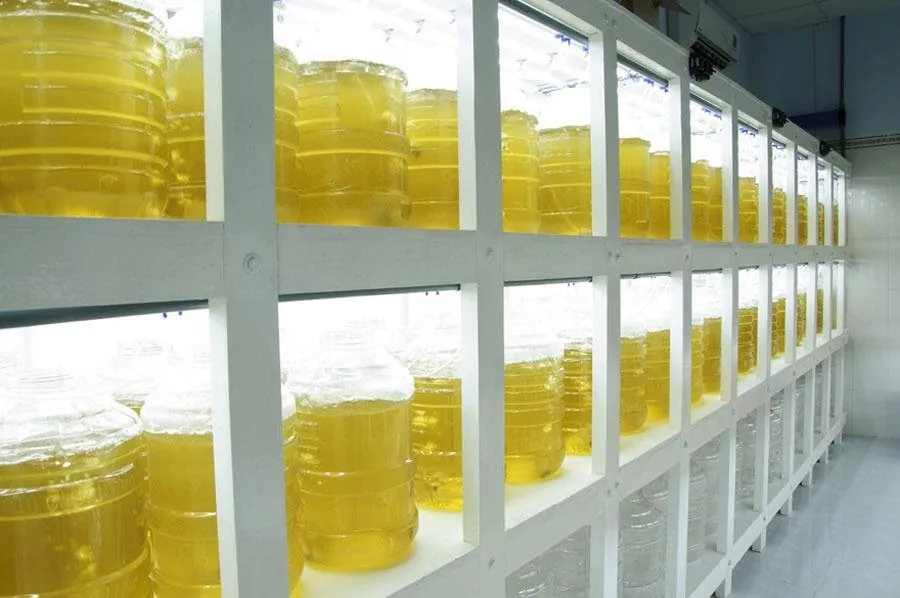
One experimental group was cultured with the microalga Nannochloropsis oculata (N.oculata) at a stocking density of 10 × 10^4 ~ 80 × 10^4 cells/ml. The other was cultured with Thalassiosira pseudonana (T.pseudonana) at the same stocking density. The researchers used shrimp of uniform size for the experiment so they could compare their growth rates and weight gain.
The experiment showed that shrimp cultured in the experimental co-culture groups had improved growth rates and survival compared to the control group. The co-culture groups with microalgae also showed better water quality parameters than the groups cultured in plain seawater. However, shrimp in the T.pseudonana group performed significantly better across the study indicators compared to shrimp in the control group or shrimp cultured with the microalga N.oculata.
Co-culturing shrimp with T.pseudonana kept nitrite, nitrate, orthophosphate, total ammonia, and suspended solids content at low levels. It also helped regulate pH concentration and increased dissolved oxygen concentration in the culture water during the day. Researchers also noted that Vibrio levels in the culture water and sediment were significantly lower in this group, suggesting that microalgae can inhibit the growth of opportunistic pathogens.
Shrimp in the T.pseudonana group also had the highest average weight gain (1.49 ± 0.056 g/week), growth rate (1.50 ± 0.067 g/week), and the lowest feed conversion ratio (1.42 ± 0.023). Researchers found that the overall yield rate of shrimp in the T.pseudonana group was 25% higher than that of shrimp in the control group.
Due to these results, researchers felt that supplementing T.pseudonana into the culture water was more suitable than using N.oculata. They suggested further research on the inclusion rate of microalgae in culture water and how sunlight affects the photosynthetic properties of the algae.
According to Megan Howell, article posted on Thefishsite.