Ensuring pond water quality plays a crucial role in the success of the crop, alongside using disease-free postlarvae. A balanced pond ecosystem helps farmed shrimp grow healthy, reduces the risk of disease outbreaks, and optimizes productivity. Below is an analysis of important factors and water quality control solutions to protect the pond.
The dominance of yellow colony Vibrio bacteria over green colony Vibrio and plankton in shrimp ponds?
The dominant growth of yellow colony Vibrio on TCBS (Thiosulfate-Citrate-Bile Salts-Sucrose) agar medium and the suppression of photosynthetic plankton in shrimp ponds can be explained by the following factors:
Excess nutrients:
- Overfeeding and the decomposition of organic matter increase excess nitrogen (ammonia, nitrite, nitrate) and carbon.
- Yellow colony Vibrio has efficient metabolic capacity, especially in absorbing nitrogen and sucrose, allowing them to thrive when organic load is high.
High stocking density and deteriorating water quality:
- Dense stocking density increases organic waste and oxygen depletion, creating anaerobic microenvironments favorable for Vibrio growth.
- Limited water exchange leads to nutrient accumulation, promoting Vibrio proliferation.
Environmental factor influences:
- High pH: Alters the competitive dynamics among bacterial species.
- High temperature: Increases Vibrio metabolic rate, especially fast-growing species like yellow colony Vibrio.
- Low DO (Dissolved Oxygen): Stresses plankton and aerobic organisms, creating conditions for Vibrio growth.
- Low alkalinity and minerals: Weakens plankton, allowing Vibrio to dominate.
Adaptability and resistance of yellow colony Vibrio:
Yellow colony Vibrio has good adaptability to environmental fluctuations, resists antibiotics and disinfectants, helping them survive and thrive.
Competition with photosynthetic plankton:
High nitrogen concentration reduces the advantage of photosynthetic organisms (requiring a balance of nitrogen, CO2, and phosphorus), creating conditions for heterotrophic Vibrio to grow and disrupting the pond ecosystem balance.
Impacts of excessive growth of yellow colony Vibrio:
Pathological risk: Some species like Vibrio harveyi and Vibrio parahaemolyticus can cause vibriosis, while other Vibrio strains secrete toxins causing disease under harsh environmental conditions.
Water quality degradation: Vibrio proliferation reduces dissolved oxygen, releases harmful metabolites, and stresses shrimp.
Ecosystem imbalance: The decline of photosynthetic plankton disrupts nutrient cycles, affecting pond stability.
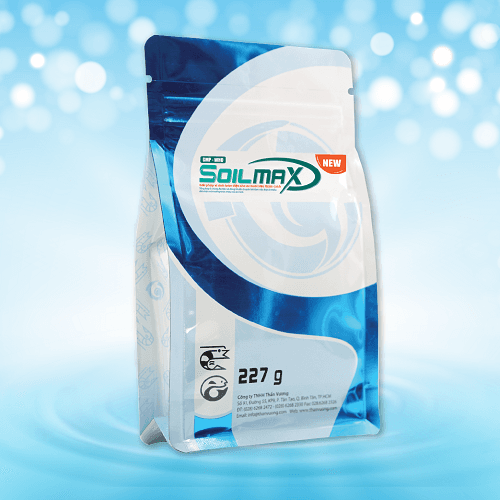
Application of SoilMax Probiotics – The Optimal Solution Today
To control the growth of yellow colony Vibrio and rebalance the pond ecosystem, the use of SoilMax probiotics with specific pure strains producing lactic acid is considered the most outstanding and effective solution.
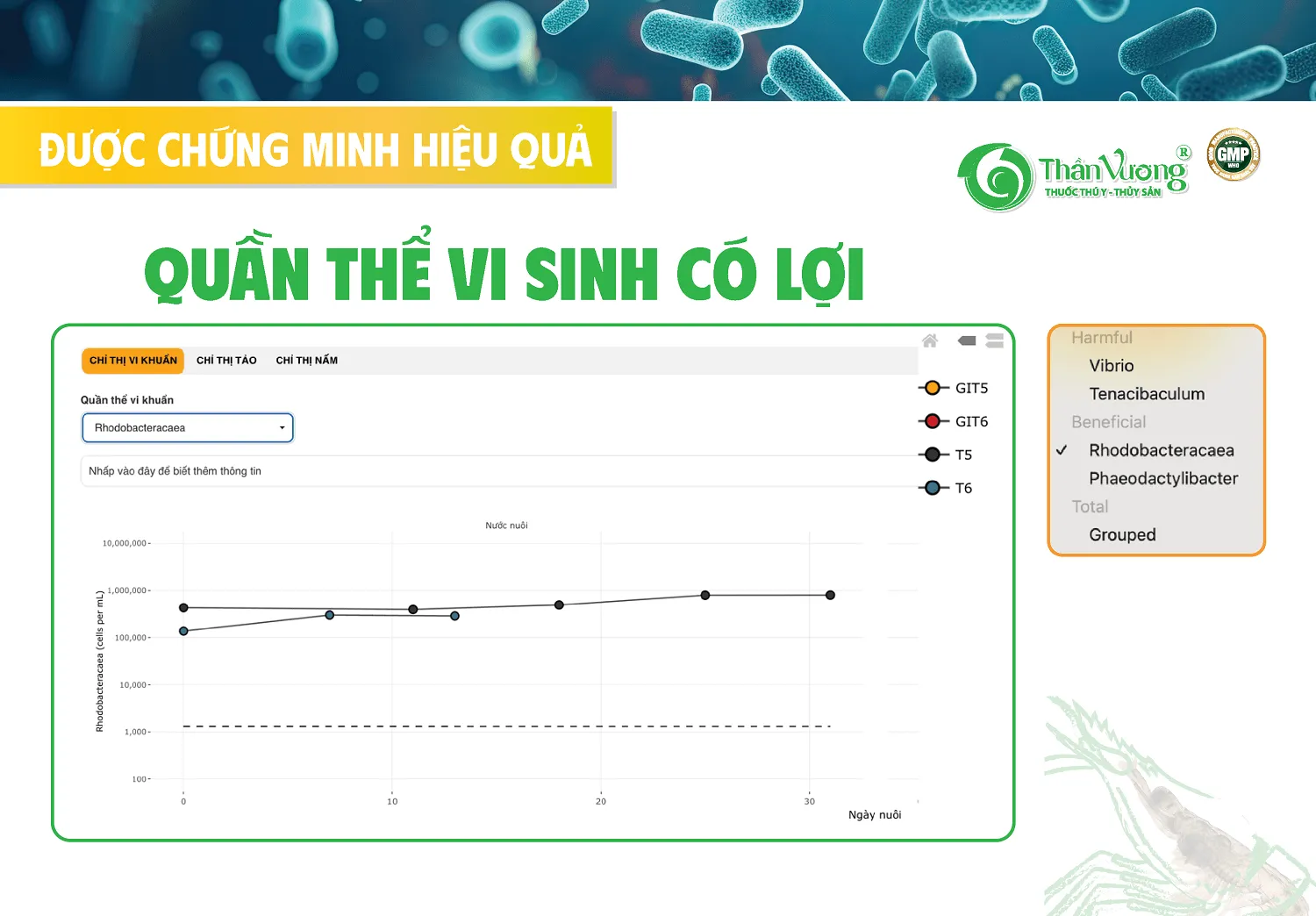
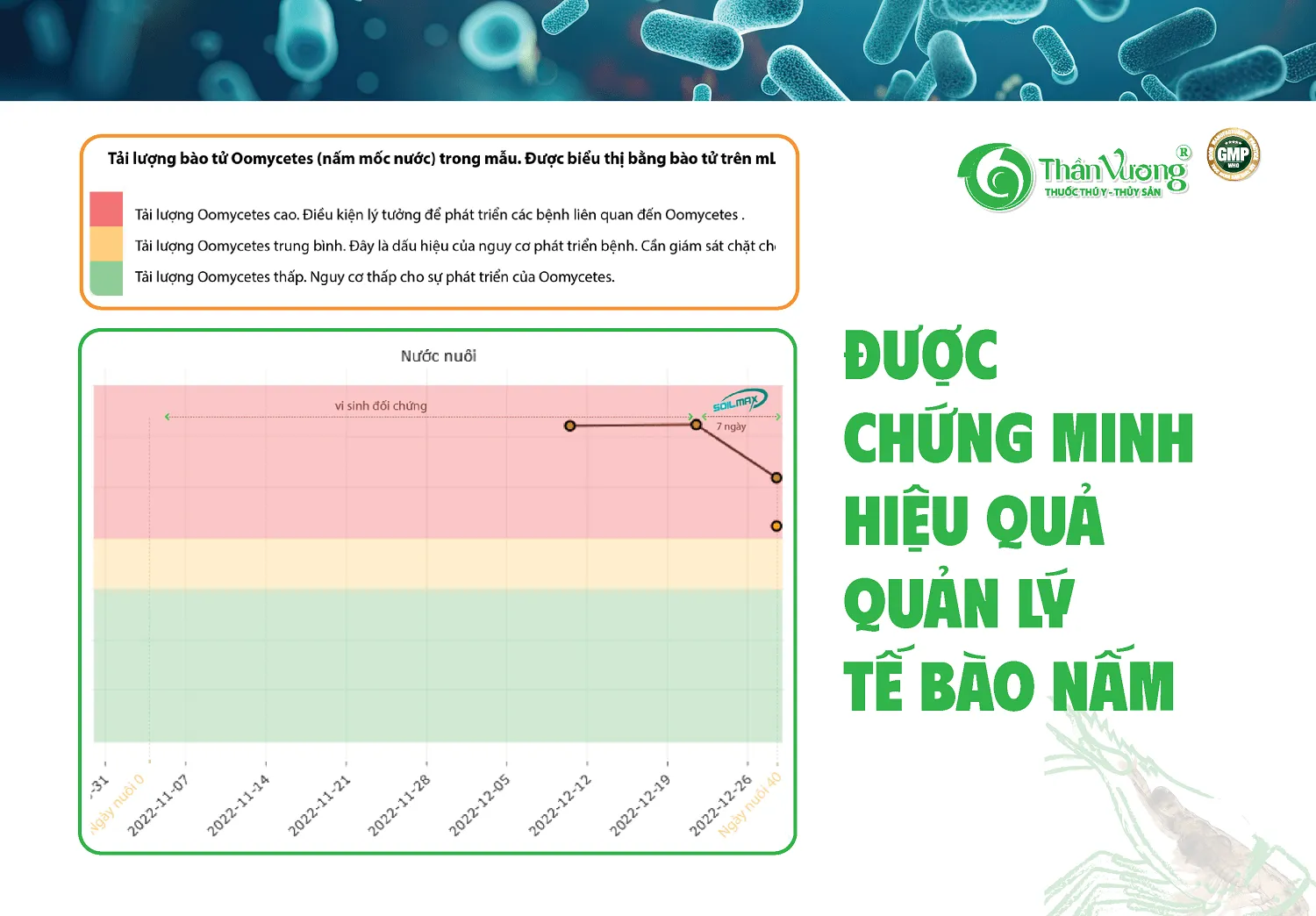
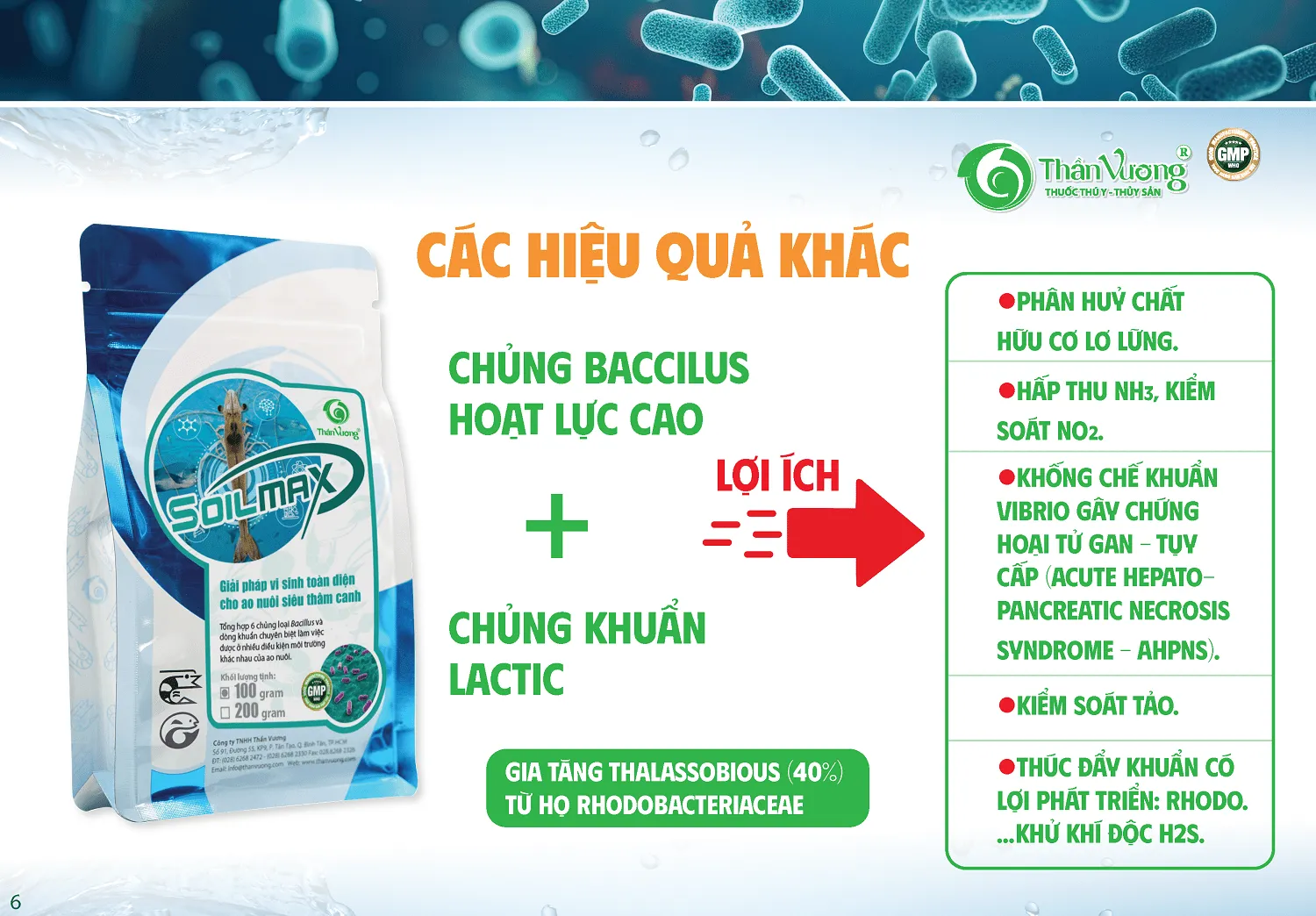
This solution is currently rated highest by users, especially in super-intensive farming models.