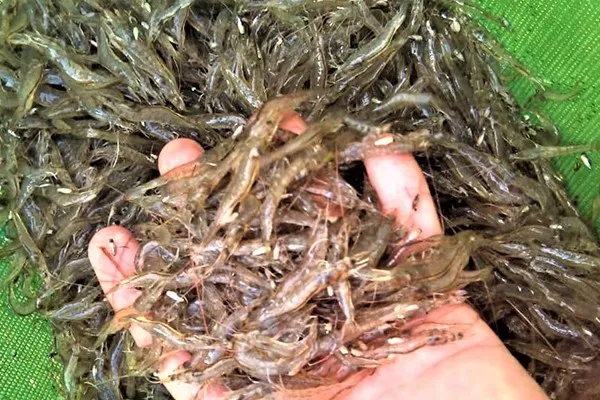
White Spot Syndrome Virus (WSSV) is a shrimp pathogen causing significant global economic losses, destroying 1/10 of farmed shrimp production (approximately 1 billion USD) annually. Shrimp infected with WSSV cannot withstand the pathogen within two to seven days, with mortality rates reaching up to 100%. Developing safe and effective disease intervention approaches is crucial, and in this regard, vaccination strategies such as inactivated viruses, subunit antigens, and DNA-based vaccines against WSSV have shown promise at the laboratory scale. However, limitations – such as variable efficacy, high production costs, and limited practical applicability – require further research.
RNA interference (RNAi) in invertebrates is a cellular antiviral mechanism whereby activators, such as double-stranded RNA (dsRNA) or small interfering RNA (siRNA), block viral gene expression. These dsRNAs have been tested in various settings, such as crop pest control, next-generation mosquito control, and vaccine development. In aquaculture, the concept of RNAi-based vaccines has been advocated for several reasons:
- RNAi acts as an antiviral immune response in shrimp
- It is considered a pathogen
- It generates a long-lasting protective immune response.
Previous studies have shown that dsRNA-based vaccines are non-toxic, effective, and provide protection against a high viral load of WSSV (which can be lethal to shrimp). However, in all the applications mentioned above, the main challenge for the development of dsRNA-based vaccines from discovery to product and practical application is their environmental stability and production cost.
Although nanomedicine has made significant contributions to human health, its use in promoting animal health is still in its infancy. One of the primary concerns for livestock vaccines is that they should not cause any adverse effects on farming outcomes.
Nanoparticles can affect the tissue biodistribution and survival of Pacific white shrimp. Nanoparticles, after being introduced into the body, were already present in the intestine; within two hours, they were also found in the stomach, hepatopancreas, cephalothorax, and gill tissues. It is important to note that gills are one of the target organs for several viral pathogens such as Taura Syndrome Virus, Yellow Head Virus, and WSSV. Therefore, the presence of nanoparticles in the gills could potentially contribute to protection against diseases caused by these viruses.
DsRNA-based vaccines can be effectively used against several shrimp viruses; however, developing appropriate delivery strategies to introduce the medication into the shrimp's body is a major challenge. Oral administration (mixed into feed) has been the most common vaccine delivery method to date. Nanovaccines not only increase shrimp survival but also reduce WSSV replication experimentally.
This finding could have significant implications in this field, as it is known that horizontal WSSV transmission in shrimp ponds can occur through direct contact with infected dead shrimp, i.e., cannibalism, or through indirect waterborne transmission. Therefore, regardless of the transmission route, reducing the viral load can contribute to decreasing the spread of WSSV by lowering the available viral dose.
Tan Phat – summarized and translated from an article by Lyric C. Bartholomay on GSA.