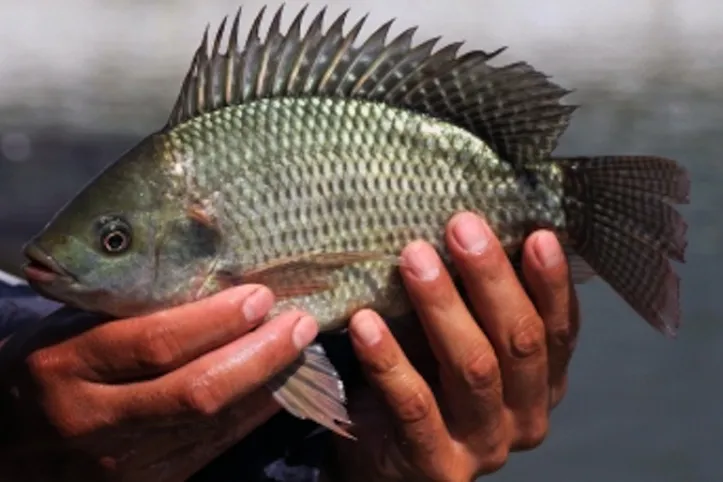
A new vaccine, announced in March 2019, has shown effectiveness in preventing infections caused by the bacterium Streptococcus agalactiae in tilapia.
Tilapia is one of the most representative and popular aquaculture species globally. However, farming this species has never been simple, as risks from the environment and diseases are always present. According to a report by the Fisheries and Aquaculture Journal (2017), 10 pathogenic bacterial species have been identified in tilapia, including: Arthrobacter sp., Enterococcus sp., Staphylococcus sp., Micrococcus sp., Streptococcus sp., Aeromonas sp., Pseudomonas sp., Edwardsiella sp., Flexibacter sp., and Flavobacterium sp. Among these, Streptococcus agalactiae infection is becoming a major threat to tilapia farming due to the very high morbidity and mortality rates in fish after infection.
According to several studies, the streptococcus S. agalactiae is a Gram-positive bacterium and is divided into 4 types: Ia, Ib, II, and III. Common signs of S. agalactiae infection in tilapia include anorexia, hemorrhagic skin, exophthalmia, unilateral or bilateral corneal opacity, eye rupture, darkened body, and abnormal swimming behavior. Typically, when fish show clinical signs, antibiotic use is the preferred option for farmers. However, the frequent use of antibiotics to treat infected fish has led to the emergence of antibiotic-resistant Streptococcus sp. strains or other bacterial agents.
Therefore, in the search for safe and effective preventive measures, many types of vaccines have been researched and applied recently. Most commonly, vaccines from live attenuated or inactivated S. agalactiae bacteria have been developed as potential vaccines, and they can provide certain protection against virulent S. agalactiae strains. These vaccines are typically administered by intraperitoneal injection or bath immersion, which are less effective and require large quantities of vaccine. Therefore, the oral administration of vaccine for tilapia by scientists, recently published in the journal Fish and Shellfish Immunology, can be considered a significant breakthrough.
As we know, Bacillus subtilis is considered non-pathogenic, and its spore form is currently used as a probiotic, being very safe and environmentally friendly. B. subtilis spores have strong resistance properties and can protect antigens in the digestive tract against degradation. Therefore, spores have been proposed as a recombinant oral vaccine with antigens to elicit an effective immune response. However, to date, no specific studies have been reported using them as oral vaccines to prevent bacterial diseases in fish.
For this reason, Chinese scientists used the B. subtilis GC5 strain isolated from the gut of grass carp to create cells capable of producing spores that can be recombined with plasmids. Subsequently, through specialized processing and analysis, a vaccine was formed from the combination of B. subtilis GC5 linked to a surface immunogenic protein (GC5-Sip).

Source: SCOT Healthcare
The study showed that after challenging with S. agalactiae, tilapia vaccinated with GC5-Sip via oral gavage had a relative percentage survival (RPS) of 41.7%, which was higher than the control group's 24.2%. Furthermore, the expression levels of humoral immune genes, immune genes in the gut and spleen, and the concentration of specific antibodies against the bacteria in the GC5-Sip group were also higher than in the control group. This indicates that GC5-Sip is safe and effective in protecting tilapia against bacterial infection. Therefore, this research could lead to the development of new ideas for immunotherapeutic treatment against S. agalactiae infection.
It can be seen that this new vaccine will significantly contribute to the prevention and treatment of S. agalactiae disease in tilapia in the future. However, the use of vaccines for fish still faces many challenges, especially due to economic profitability, as the cost of producing vaccines is quite high. Therefore, to limit S. agalactiae infection, farmers need to pay attention to selecting disease-free, healthy fingerlings; maintaining appropriate stocking density; avoiding overfeeding; effectively managing pond water quality; and regularly disinfecting the water source.
Source: thuysan247.com
Collected by: Trần Thị Thúy Quyên